Using This Book
Using This Book
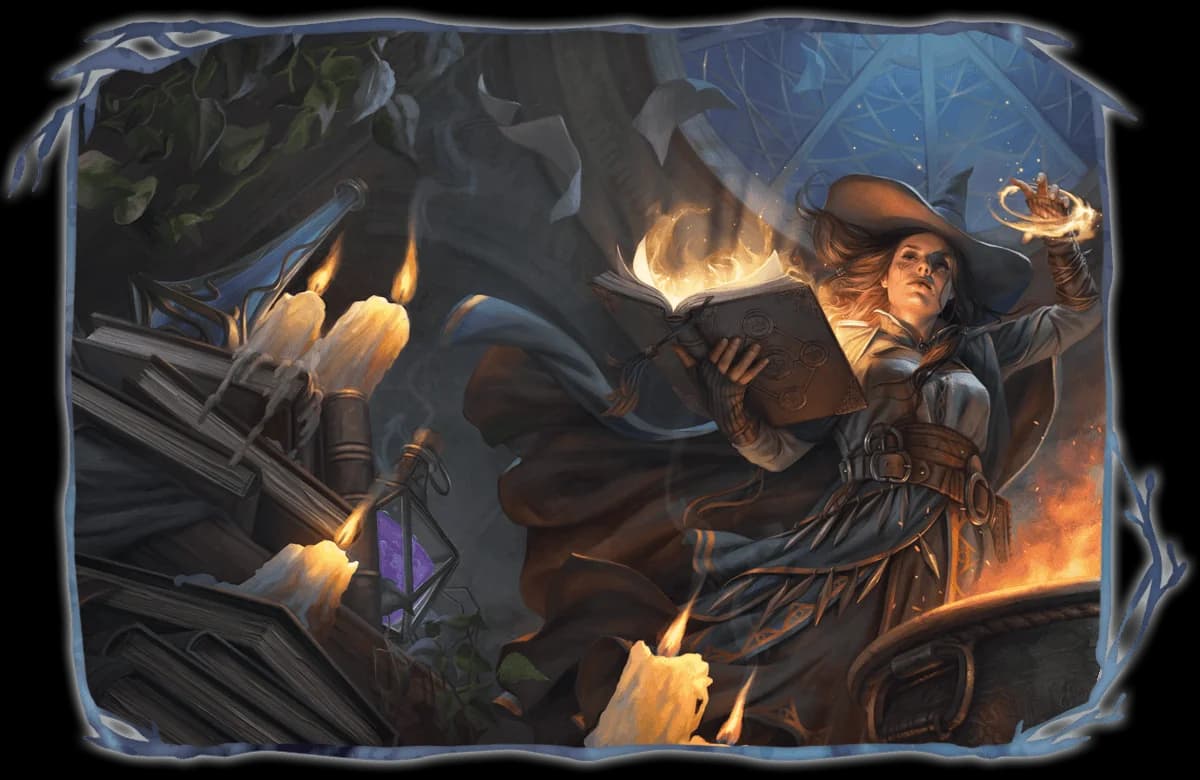
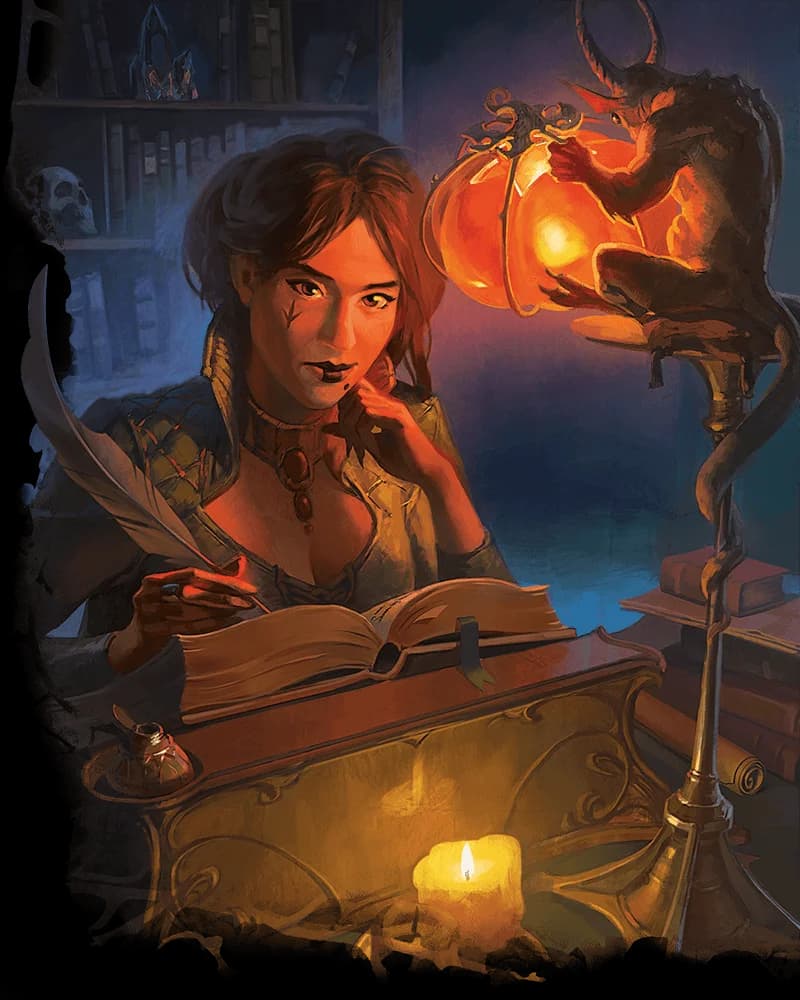
Tasha's Cauldron of Everything offers a host of new options for Dungeons & Dragons, and our journey through those options is accompanied by the notes of the wizard Tasha. Creator of the spell Tasha's hideous laughter, Tasha's life is one of the most storied in the D&D multiverse. Raised by Baba Yaga, the Mother of Witches herself, Tasha adventured across the world of Greyhawk and became the friend and sometimes enemy of other famous adventurers, like Mordenkainen. In time, she ruled as the Witch Queen and later changed her name to Iggwilv—a figure of legend who is whispered about, feared, and admired.
Written for players and Dungeon Masters alike, this book offers options to enhance characters and campaigns in any D&D world, whether you're adventuring in Greyhawk, another official D&D setting, or a world of your own creation.
What You'll Find Within
Chapter 1 brims with new features and subclasses for the classes in the Player's Handbook, and it presents the artificer class, a master of magical invention. The chapter also offers feats for groups that use them.
Chapter 2 contains patrons who can become one of the driving forces behind your group's adventures.
Chapter 3 sparkles with new magical options, including spells, magical spellbooks, artifacts, and magic-infused tattoos—available for both player characters and monsters to use.
Chapter 4 holds various rules that a DM may incorporate into a campaign, including rules on sidekicks who level up with the player characters and on supernatural environments. The chapter ends with a collection of puzzles ready to be deployed in any adventure that the DM would like to spice up with some puzzling.
It's All Optional
Everything in this book is optional. Each group, guided by the DM, decides which of these options, if any, to incorporate into a campaign. You can use some, all, or none of them. We encourage you to choose the ones that fit best with your campaign's story and with your group's style of play.
Whatever options you choose to use, this book relies on the rules in the Player's Handbook, Monster Manual, and Dungeon Master's Guide, and it can be paired with the options in Xanathar's Guide to Everything and other D&D books.
Unearthed Arcana
Much of the material in this book originally appeared in Unearthed Arcana, a series of online articles we publish to explore rules that might officially become part of the game. Some Unearthed Arcana offerings don't end up resonating with fans and are set aside. The Unearthed Arcana material that inspired the options in the following chapters was well received and, thanks to feedback from thousands of D&D fans, has been refined into the official forms presented here.
Ten Rules to Remember
1. The DM Adjudicates the Rules
The rules of D&D cover many of the twists and turns that come up in play, but the possibilities are so vast that the rules can't cover everything. When you encounter something that the rules don't cover or if you're unsure how to interpret a rule, the DM decides how to proceed, aiming for a course that brings the most enjoyment to your whole group.
2. Exceptions Supersede General Rules
General rules govern each part of the game. For example, the combat rules tell you that melee weapon attacks use Strength and ranged weapon attacks use Dexterity. That's a general rule, and a general rule is in effect as long as something in the game doesn't explicitly say otherwise.
The game also includes elements—class features, spells, magic items, monster abilities, and the like—that sometimes contradict a general rule. When an exception and a general rule disagree, the exception wins. For example, if a feature says you can make melee weapon attacks using your Charisma, you can do so, even though that statement disagrees with the general rule.
3. Advantage and Disadvantage
Even if more than one factor gives you advantage or disadvantage on a roll, you have it only once, and if you have advantage and disadvantage on the same roll, they cancel each other.
4. Reaction Timing
Certain game features let you take a special action, called a reaction, in response to an event. Making opportunity attacks and casting the shield spell are two typical uses of reactions. If you're unsure when a reaction occurs in relation to its trigger, here's the rule: the reaction happens after its trigger, unless the description of the reaction explicitly says otherwise. Once you take a reaction, you can't take another one until the start of your next turn.
5. Proficiency Bonus
If your proficiency bonus applies to a roll, you can add the bonus only once to the roll, even if multiple things in the game say your bonus applies. Moreover, if more than one thing tells you to double or halve your bonus, you double it only once or halve it only once before applying it. Whether multiplied, divided, or left at its normal value, the bonus can be used only once per roll.
6. Bonus Action Spells
If you want to cast a spell that has a casting time of 1 bonus action, remember that you can't cast any other spells before or after it on the same turn, except for cantrips with a casting time of 1 action.
7. Concentration
As soon as you start casting a spell or using a special ability that requires concentration, your concentration on another effect ends instantly.
8. Temporary Hit Points
Temporary hit points aren't cumulative. If you have temporary hit points and receive more of them, you don't add them together, unless a game feature says you can. Instead, you decide which temporary hit points to keep.
9. Round Down
Whenever you divide or multiply a number in the game, round down if you end up with a fraction, even if the fraction is one-half or greater.
10. Have Fun
You don't need to know every rule to enjoy D&D, and each group has its own style—different ways it likes to tell stories and to use the rules. Embrace what your group enjoys most. In short, follow your bliss!
My dear, sweet, lucky reader,
You know me. You've heard of my exploits. You've spread my titles: Natasha the Dark, Hura of Ket, Baba Yaga's daughter, witch par excellence, and, if you're not trying to impress, just plain Tasha.
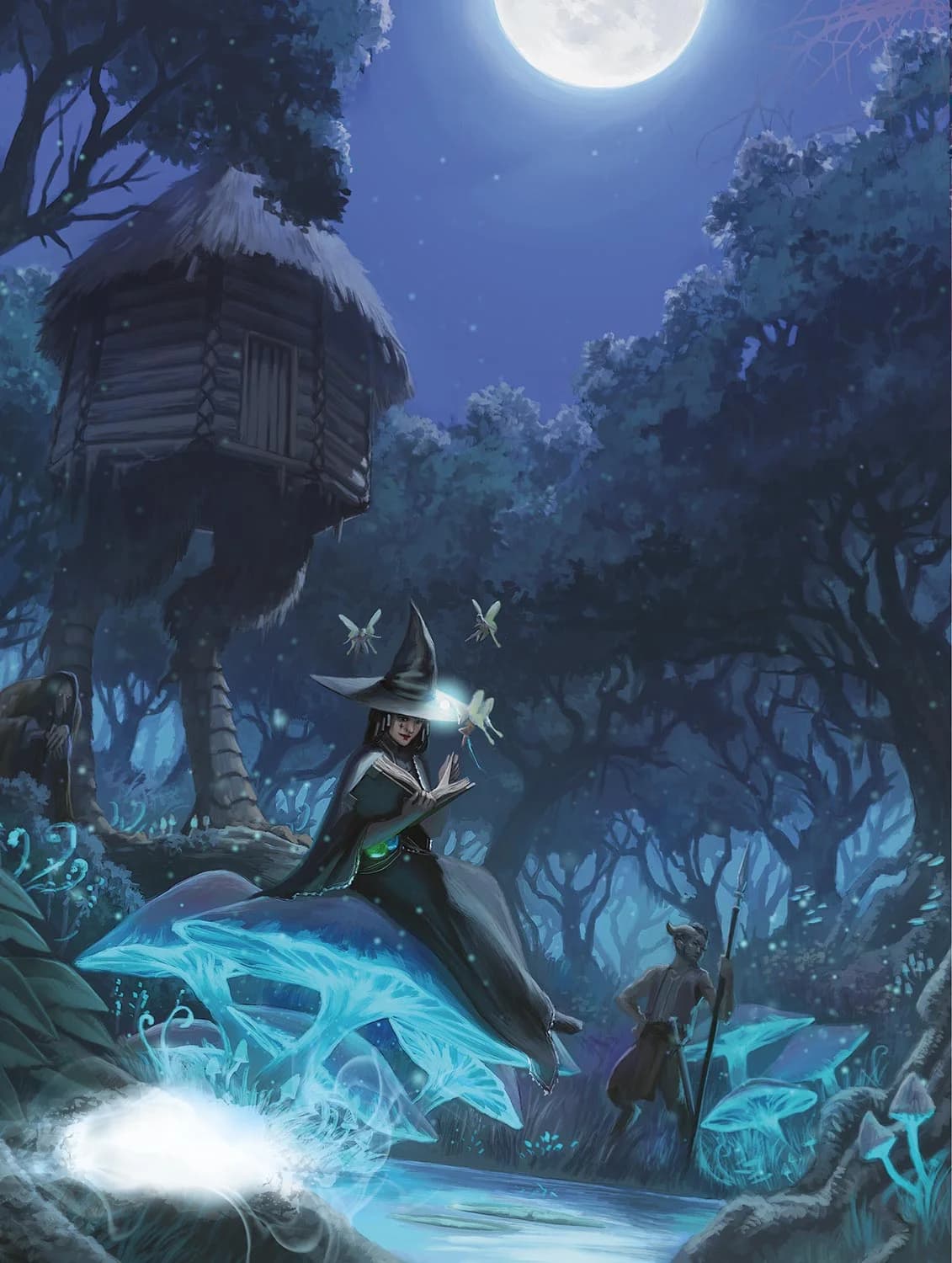
For longer than I care to confess, I've sought out mysteries and wonders that beggar description. (Well, wonders that beggar the descriptions of those not raised in an immortal's dancing hut, as I was.) Within this tome, you'll find a sampling of the curiosities I've documented during my travels, including my exploits with the infamous Company of Seven; my studies with the original Mad Archmage, Zagig Yragerne; and my correspondences with world-hopping (and sanctimonious) luminaries like Mordenkainen. Unfortunately, at Mordenkainen's request, a panel of experts from the Greyhawk Guild of Wizardry—which I'm assured is an esteemed center of learning and not at all an elaborate scam to swindle highborn rubes—has been granted editorial oversight of this work. As a result, I understand that some of my "less traditional" findings have been saddled with various rules, for the supposed "safe continuance of the mystical arts and, indeed, all life in the multiverse."
No matter. Through a combination of irrefutable arguments and spells, I've convinced the editorial board to furnish me with this advance copy of their work.
In reviewing it, I've added a variety of helpful marginalia. I expect that—with the inclusion of my insights, guidance, threats, and critiques—clever minds will have all they need to advance their accounting of the multiverse's infinite audacities. And even if not, read on and maybe you'll learn something my archmage semi-peers are terrified of you learning.
I'm drawing back the curtain of reality for you, reader dearest. Summon your courage, and take a peek.— Tasha
Character Options
When you make your D&D character, you have an array of options in the Player's Handbook to create the sort of adventurer you want. This chapter adds to those options, making it possible to realize even more character concepts. If you combine these options with those in Xanathar's Guide to Everything, the possibilities for your characters become vast.
Here are the options featured in this chapter:
- A way to customize your character's origin by changing some of your racial traits
- Guidance on changing your subclass
- The artificer class, a master of magical invention
- Class features and subclasses for every class in the Player's Handbook
- Feats for anyone who uses that optional rule
Customizing Your Origin
See the Customizing Your Origin entry.
Changing a Skill
Sometimes you pick a skill proficiency that ends up not being very useful in the campaign or that no longer fits your character's story. In those cases, talk to your DM about replacing that skill proficiency with another skill proficiency offered by your class at 1st level. A convenient time for such a change is when you reach a level that grants you the Ability Score Increase feature, representing that your character has spent a level or two studying the new skill and letting the old one atrophy.
Changing Your Subclass
Each character class involves the choice of a subclass at 1st, 2nd, or 3rd level. A subclass represents an area of specialization and offers different class features as you level up. With your DM's approval, you can change your subclass when you would normally gain a new subclass feature. If you decide to make this change, choose another subclass that belongs to your class and replace all your old subclass features with the features of the new subclass that are for your new level and lower.
Training Time
To change your subclass, your DM might require you to spend time devoted to the transition, as you study the ways of the new specialization. This transition requires a number of days equal to twice your new level in the class; a higher level represents more to learn.
The DM might also require an expenditure of money to pay for training, magical reagents, or other goods needed for the transition. The cost is typically 100 gp times your new level. This cost might be accompanied by a quest of some sort. For example, a sorcerer who wants to adopt a Draconic Bloodline could be required to receive blood, a blessing, or both from an ancient dragon.
If you return to a subclass that you previously held, you forgo the gold cost, and the time required for the transition is halved.
Sudden Change
Sometimes a character undergoes a dramatic transformation in their beliefs and abilities. When a character experiences a profound self-realization or faces an entity or a place of overwhelming power, beauty, or terror, the DM might allow an immediate subclass change. Here are a few examples:
- An Oath of Devotion paladin failed to stop a demonic horde from ravaging her homeland. After spending a night in sorrowful prayer, she rises the next morning with the features of the Oath of Vengeance, ready to hunt down the horde.
- A wizard lies down for a nap beneath an oak tree whose roots reach into the Feywild. In his dreams, he faces visions of multiple possible futures. When he awakens, his subclass features have been replaced by those of the School of Divination.
- A cleric of the War Domain has spent years in conflict with the enemies of her temple. But one day, she wanders into a sun-dappled glade, where her god once shed a tear of mercy over the world's suffering. Drinking from the glade's brook, the cleric is filled with such compassion for all people that she now bears the powers of the Life Domain, ready to heal rather than make war.
Artificer
Masters of invention, artificers use ingenuity and magic to unlock extraordinary capabilities in objects. They see magic as a complex system waiting to be decoded and then harnessed in their spells and inventions. You can find everything you need to play one of these inventors in the next few sections.
Artificers use a variety of tools to channel their arcane power. To cast a spell, an artificer might use alchemist's supplies to create a potent elixir, calligrapher's supplies to inscribe a sigil of power, or tinker's tools to craft a temporary charm. The magic of artificers is tied to their tools and their talents, and few other characters can produce the right tool for a job as well as an artificer.
Artificers in Many Worlds
Throughout the D&D multiverse, artificers create inventions and magic items of peace and war. Many lives have been brightened or saved because of the work of kind artificers, but countless lives have also been lost because of the mass destruction unleashed by certain artificers' creations.
In the Forgotten Realms, the island of Lantan is home to many artificers, and in the world of Dragonlance, tinker gnomes are often members of this class. The strange technologies in the Barrier Peaks of the world of Greyhawk have inspired some folk to walk the path of the artificer, and in Mystara, various nations employ artificers to keep airships and other wondrous devices operational.
Artificers in the City of Sigil share discoveries from throughout the multiverse, and from there, the gnome artificer Vi runs a cosmos-spanning business that hires adventurers to fix problems that others deem unfixable. In Vi's home world, Eberron, magic is harnessed as a form of science and deployed throughout society, largely as a result of the wondrous ingenuity of artificers.
Artificers invent cutting-edge problems, then try to solve them—loudly and often with collateral damage.— Tasha
- Artificer
- Alchemist
- Armorer
- Artillerist
- Battle Smith

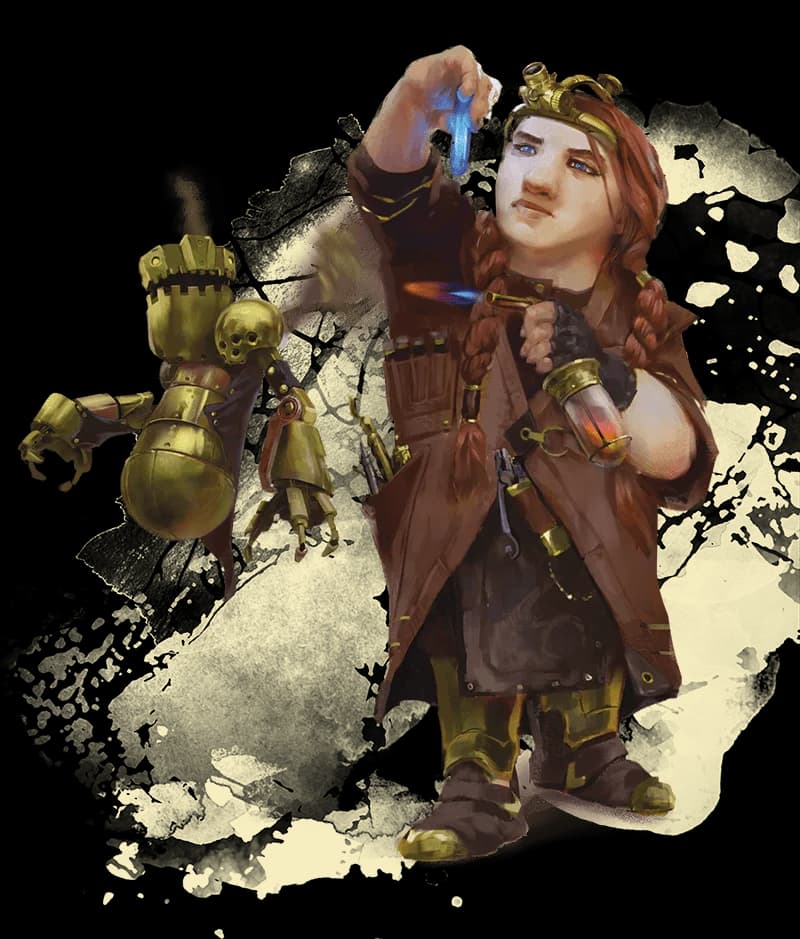
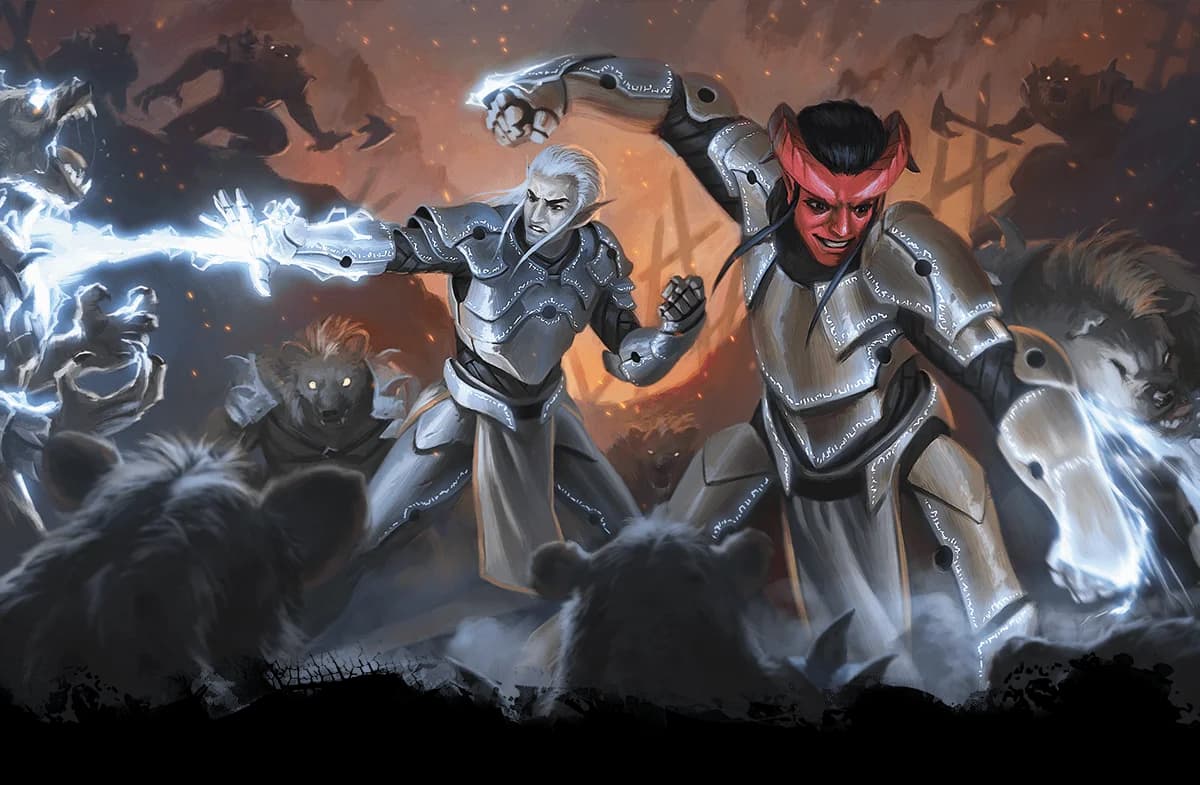

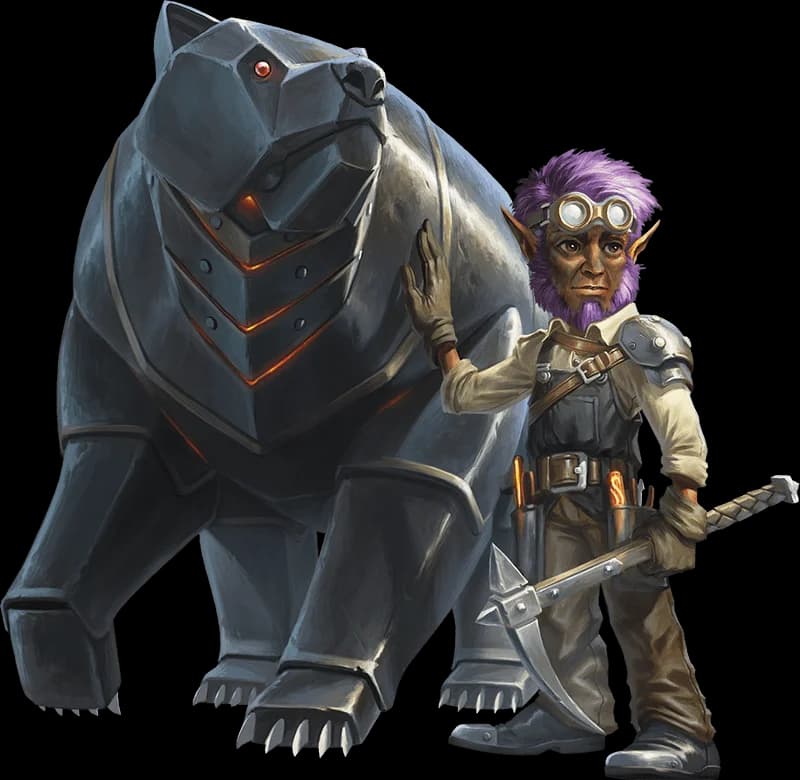
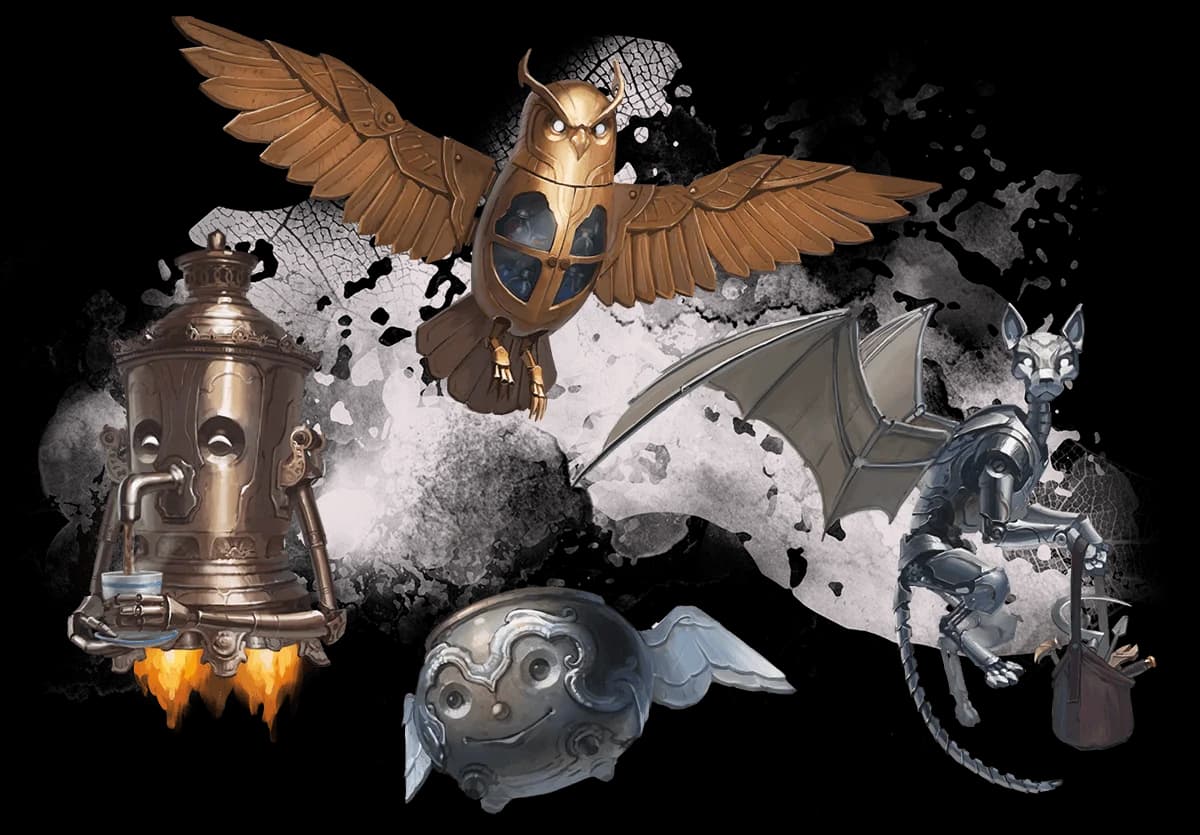
Barbarian
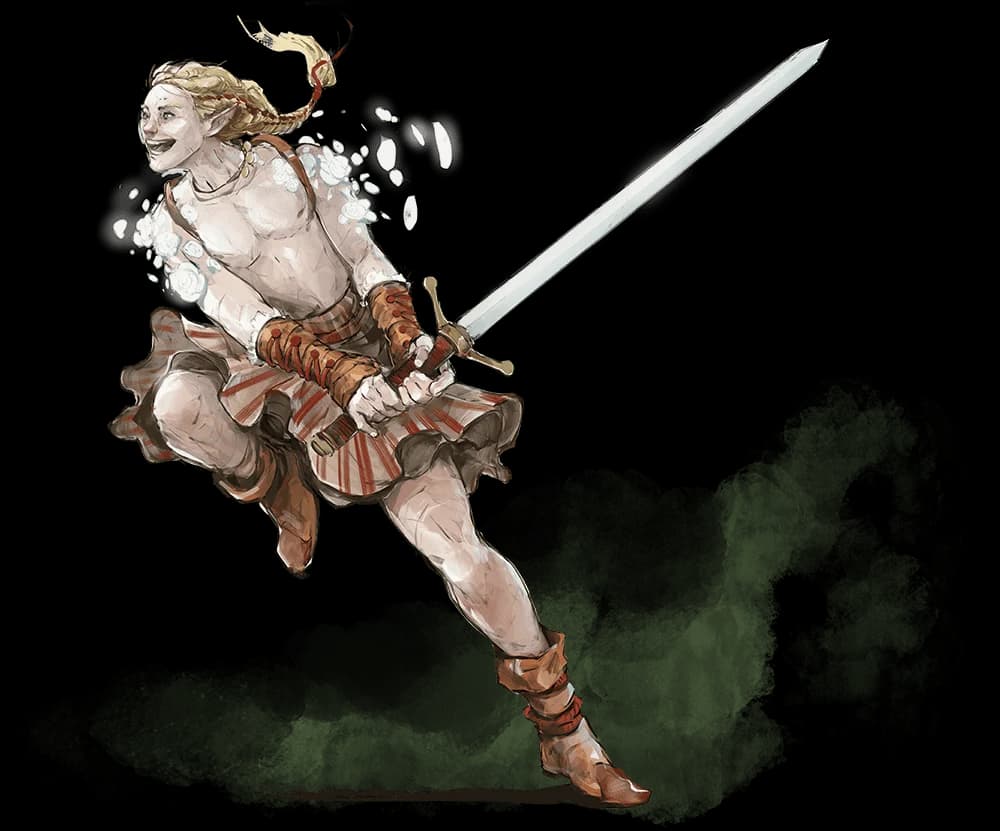
The barbarian class receives new features and subclasses in this section.
Optional Class Features
You gain class features in the Player's Handbook when you reach certain levels in your class. This section offers additional features that you can gain as a barbarian.
Unlike the features in the Player's Handbook, you don't gain the features here automatically. Consulting with your DM, you decide whether to gain a feature in this section if you meet the level requirement noted in the feature's description. These features can be selected separately from one another; you can use one, both, or none of them.
Primal Knowledge (3rd-level barbarian feature)
Instinctive Pounce (7th-level barbarian feature)
Primal Paths
At 3rd level, a barbarian gains the Primal Path feature, which offers you the choice of a subclass. The following options are available to you when making that choice: Path of the Beast and Path of Wild Magic.
- Path of the Beast
- Path of Wild Magic

Bard
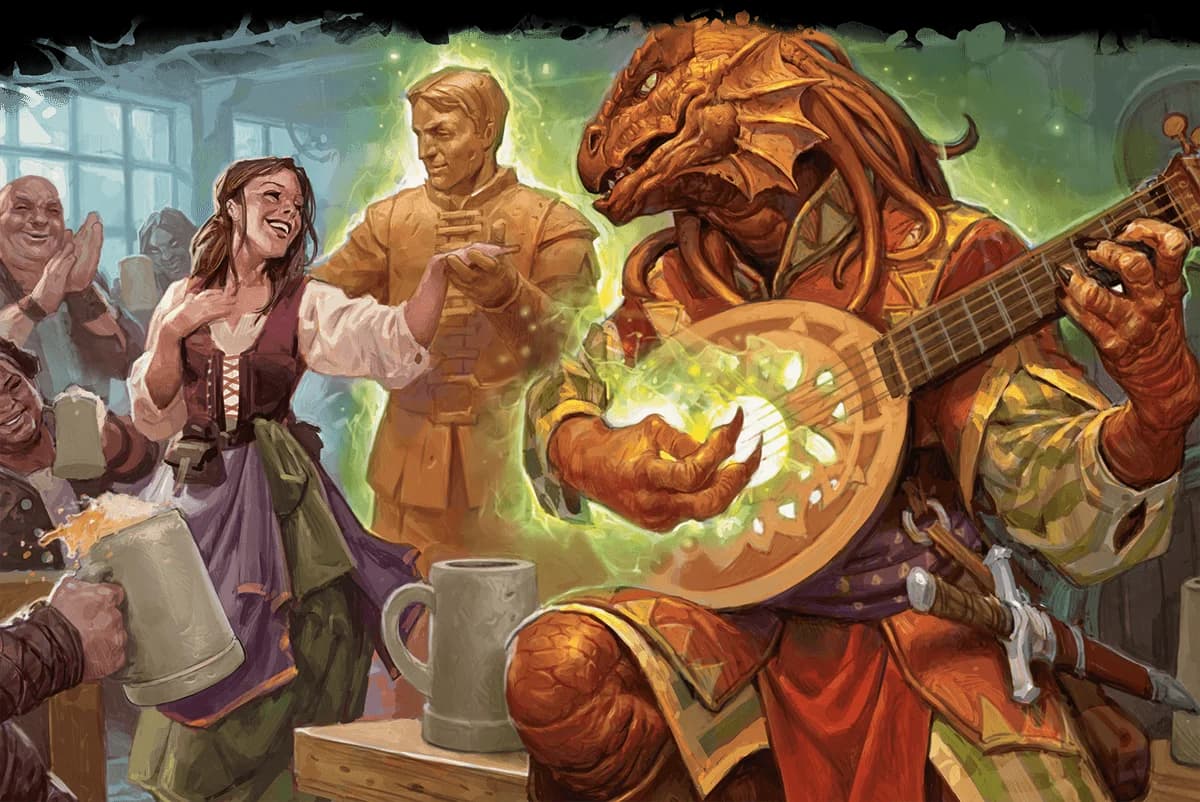
The bard class receives new features and subclasses in this section.
Optional Class Features
You gain class features in the Player's Handbook when you reach certain levels in your class. This section offers additional features that you can gain as a bard. Unlike the features in the Player's Handbook, you don't gain the features here automatically. Consulting with your DM, you decide whether to gain a feature in this section if you meet the level requirement noted in the feature's description. These features can be selected separately from one another; you can use some, all, or none of them.
Additional Bard Spells
1st-level bard feature
The spells in the following list expand the bard spell list in the Player's Handbook. The list is organized by spell level, not character level. If a spell can be cast as a ritual, the ritual tag appears after the spell's name. Each spell is in the Player's Handbook, unless it has an asterisk (a spell in chapter 3). Xanathar's Guide to Everything also offers more spells.
- 1st level: Color spray, Command
- 2nd level: Aid, Enlarge/reduce, Mirror image
- 3rd level: Intellect fortress,* Mass healing word, Slow
- 4th level: Phantasmal killer
- 5th level: Rary's telepathic bond (ritual)
- 6th level: Heroes' feast
- 7th level: Dream of the blue veil,* Prismatic spray
- 8th level: Antipathy/sympathy
- 9th level: Prismatic wall
Magical Inspiration (2nd-level bard feature)
Bardic Versatility (4th-level bard feature)
Bard Colleges
At 3rd level, a bard gains the Bard College feature, which offers you the choice of a subclass. The following options are available to you when making that choice: College of Creation and College of Eloquence.
- College of Creation
- College of Eloquence

Cleric
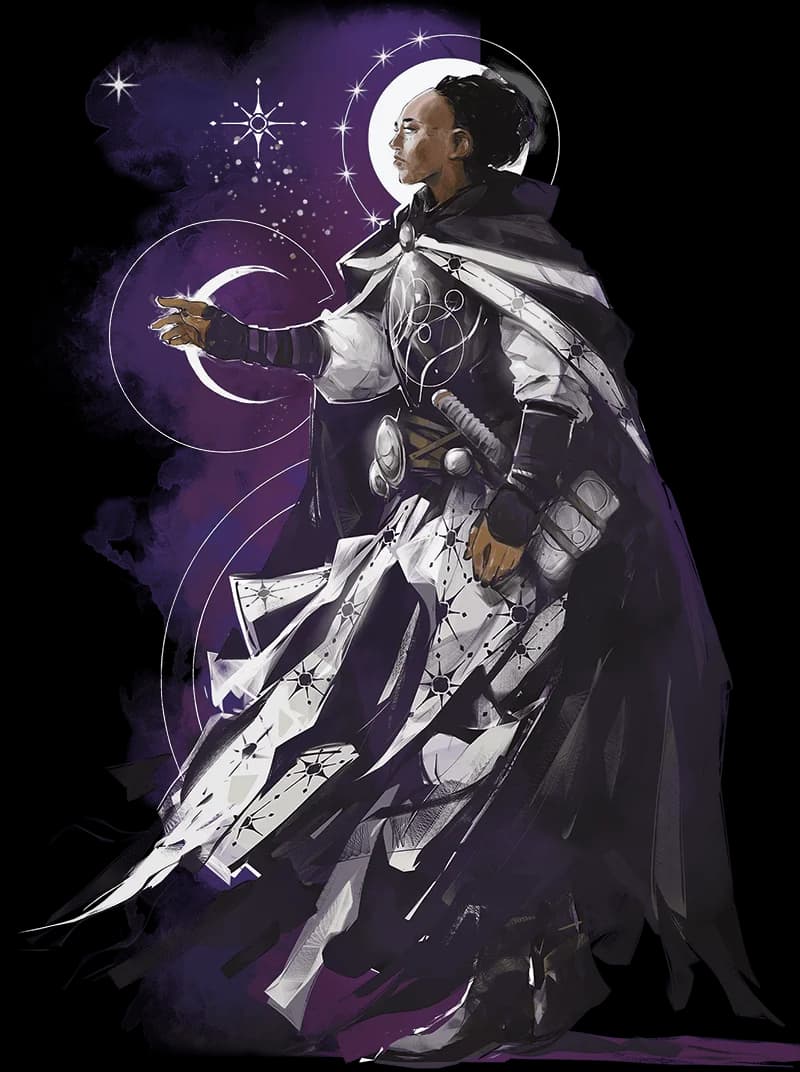
The cleric class receives new features and subclasses in this section.
Optional Class Features
You gain class features in the Player's Handbook when you reach certain levels in your class. This section offers additional features that you can gain as a cleric. Unlike the features in the Player's Handbook, you don't gain the features here automatically. Consulting with your DM, you decide whether to gain a feature in this section if you meet the level requirement noted in the feature's description. These features can be selected separately from one another; you can use some, all, or none of them.
If you take a feature that replaces another feature, you gain no benefit from the replaced one and don't qualify for anything in the game that requires it.
Additional Cleric Spells
1st-level cleric feature
The spells in the following list expand the cleric spell list in the Player's Handbook. The list is organized by spell level, not character level. If a spell can be cast as a ritual, the ritual tag appears after the spell's name. Each spell is in the Player's Handbook, unless it has an asterisk (a spell in chapter 3). Xanathar's Guide to Everything also offers more spells.
- 3rd level: Aura of vitality, Spirit shroud*
- 4th level: Aura of life, Aura of purity
- 5th level: Summon celestial*
- 6th level: Sunbeam
- 8th level: Sunburst
- 9th level: Power word heal
Channel Divinity: Harness Divine Power (2nd-level cleric feature)
Cantrip Versatility (4th-level cleric feature)
Blessed Strikes (8th-level cleric feature, which replaces the Divine Strike or Potent Spellcasting feature)
Divine Domains
At 1st level, a cleric gains the Divine Domain feature, which offers you the choice of a subclass. The following options are available to you when making that choice: Order Domain, Peace Domain, and Twilight Domain.
- Order Domain
- Peace Domain
- Twilight Domain


Druid
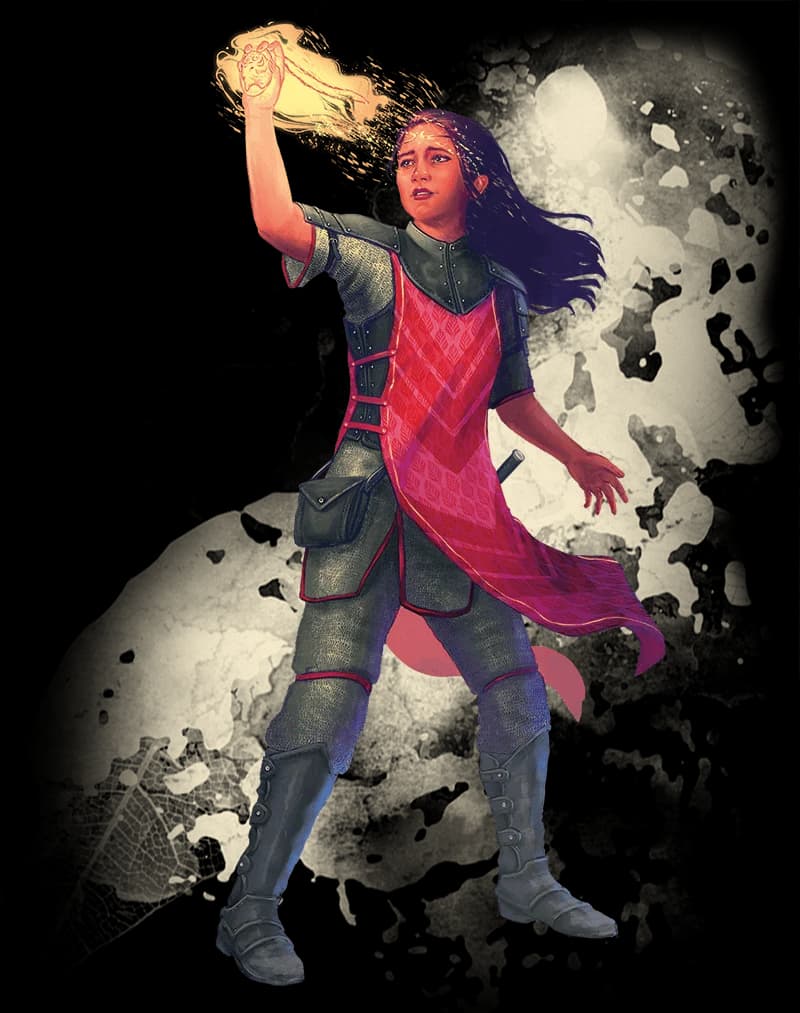
The druid class receives new features and subclasses in this section.
Optional Class Features
You gain class features in the Player's Handbook when you reach certain levels in your class. This section offers additional features that you can gain as a druid. Unlike the features in the Player's Handbook, you don't gain the features here automatically. Consulting with your DM, you decide whether to gain a feature in this section if you meet the level requirement noted in the feature's description. These features can be selected separately from one another; you can use some, all, or none of them.
Additional Druid Spells
1st-level druid feature
The spells in the following list expand the druid spell list in the Player's Handbook. The list is organized by spell level, not character level. If a spell can be cast as a ritual, the ritual tag appears after the spell's name. Each spell is in the Player's Handbook, unless it has an asterisk (a spell in chapter 3). Xanathar's Guide to Everything also offers more spells.
- 1st level: Protection from evil and good
- 2nd level: Augury, (ritual) Continual flame, Enlarge/reduce, Summon beast*
- 3rd level: Aura of vitality, Elemental weapon, Revivify, Summon fey*
- 4th level: Divination, (ritual) Fire shield, Summon elemental*
- 5th level: Cone of cold
- 6th level: Flesh to stone
- 7th level: Symbol
- 8th level: Incendiary cloud
Wild Companion (2nd-level druid feature)
Cantrip Versatility (4th-level druid feature)
Druid Circles
At 2nd level, a druid gains the Druid Circle feature, which offers you the choice of a subclass. The following options are available to you when making that choice: Circle of Spores, Circle of Stars, and Circle of Wildfire.
- Circle of Spores
- Circle of Stars
- Circle of Wildfire



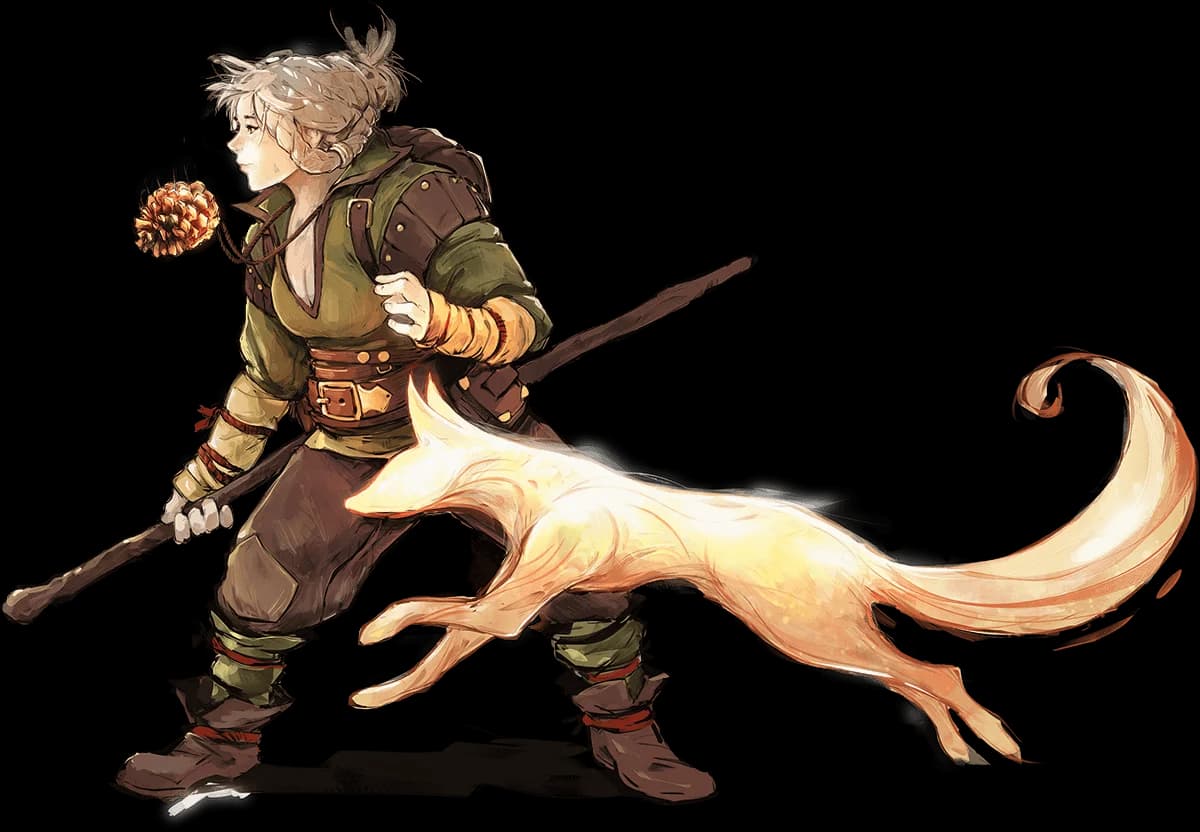
Fighter
The fighter class receives new features and subclasses in this section.
Optional Class Features
You gain class features in the Player's Handbook when you reach certain levels in your class. This section offers additional features that you can gain as a fighter. Unlike the features in the Player's Handbook, you don't gain the features here automatically. Consulting with your DM, you decide whether to gain a feature in this section if you meet the level requirement noted in the feature's description. These features can be selected separately from one another; you can use some, all, or none of them.
Fighting Style Options
1st-level fighter feature
When you choose a fighting style, the following styles are added to your list of options.
- Blind Fighting
- Interception
- Superior Technique
- Thrown Weapon Fighting
- Unarmed Fighting
Martial Versatility (4th-level fighter feature)
Maneuver Options
If you have access to maneuvers, the following maneuvers are added to the list of options available to you. Maneuvers are available to Battle Masters but also to characters who have a special feature like the Superior Technique fighting style or the Martial Adept feat.
- Ambush
- Bait and Switch
- Brace
- Commanding Presence
- Grappling Strike
- Quick Toss
- Tactical Assessment
Martial Archetypes
At 3rd level, a fighter gains the Martial Archetype feature, which offers you the choice of a subclass. The following options are available to you when making that choice: Psi Warrior and Rune Knight.
- Psi Warrior
- Rune Knight
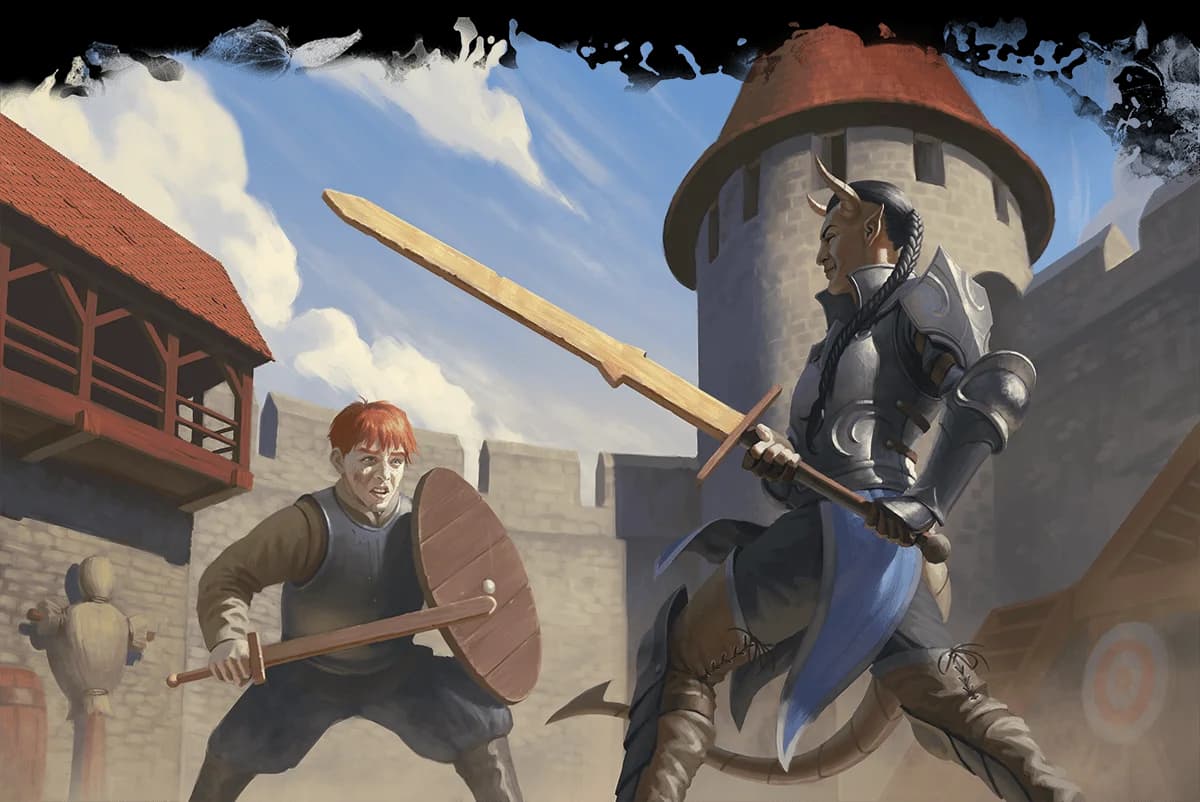


Battle Master Builds
A Martial Archetype option in the Player's Handbook, the Battle Master showcases just how versatile a fighter can be. The suite of maneuvers you choose, when combined with a fighting style and feats, allows you to create a broad range of fighters, each with its own flavor and play style.
Below are recommendations for how you might build a Battle Master to reflect various types of warriors.
Each of these builds contains suggested fighting styles, maneuvers, and feats. Those suggestions are from the Player's Handbook, except for the ones followed by an asterisk, which indicates an option introduced in this book.
Archer
- Fighting Style: Archery
- Maneuvers: Disarming Attack, Distracting Strike, Precision Attack
- Feats: Piercer, Sharpshooter
You prefer to deal with your enemies from afar, trusting in a well-placed arrow, javelin, or sling bullet to end a fight without a response. You rely on accuracy and probably subscribe to the axiom that "those who live by the sword die by the bow."
Bodyguard
- Fighting Style: Interception,* Protection
- Maneuvers: Bait and Switch,* Disarming Attack, Goading Attack, Grappling Strike*
- Feats: Alert, Observant, Sentinel, Tough
Love, money, or some other obligation motivates you to place your own body between harm and the one you're sworn to protect. You have honed the ability to sniff out potential threats and see your charge through dangerous situations.
Brawler
- Fighting Style: Blind Fighting,* Two-Weapon Fighting, Unarmed Fighting*
- Maneuvers: Ambush,* Disarming Attack, Feinting Attack, Pushing Attack, Trip Attack
- Feats: Athlete, Durable, Grappler, Resilient, Shield Master, Tavern Brawler, Tough
When bottles start breaking and chairs start flying, you're in your element. You love a good scrap, and you've likely seen your share of them. You may or may not have formal training, and while others might call you a dirty fighter, you're still alive.
Duelist
- Fighting Style: Dueling, Two-Weapon Fighting
- Maneuvers: Evasive Footwork, Feinting Attack, Lunging Attack, Parry, Precision Attack, Riposte
- Feats: Defensive Duelist, Dual Wielder, Martial Adept, Observant, Savage Attacker
You regard the duel as a proud tradition, a test of skill and wits that brings honor to those who can defeat an enemy while respecting the art. Your search for improvement is a consuming passion, and you draw on the expertise of the masters who've come before you as you work to perfect your form.
Gladiator
- Fighting Style: Defense, Two-Weapon Fighting
- Maneuvers: Goading Attack, Menacing Attack, Sweeping Attack, Trip Attack
- Feats: Athlete, Charger, Dual Wielder, Durable, Grappler, Martial Adept, Savage Attacker, Tough
You've fought to entertain crowds, whether for sport or as punishment. Along the way, you learned to use all manner of weapons to battle all kinds of adversaries. You're practical yet theatrical, and you know how to employ fear as an effective tool in a fight.
Hoplite
- Fighting Style: Defense, Thrown Weapon Fighting*
- Maneuvers: Brace,* Lunging Attack, Parry, Precision Attack
- Feats: Athlete, Grappler, Piercer, Polearm Master, Sentinel, Shield Master
With spear and shield, you follow in the footsteps of the heroes of ages past. You rely on discipline and athleticism to overcome improbable odds. Whether fighting in ranks alongside your comrades or squaring off as a lone warrior, you're equal to the task.
Lancer
- Fighting Style: Dueling
- Maneuvers: Lunging Attack, Menacing Attack, Precision Attack, Pushing Attack
- Feats: Heavy Armor Master, Mounted Combatant, Savage Attacker
When the cavalry is called in, that means you. You ride out to greet your enemy with the point of your weapon. As you charge, the ground trembles, and only the heaviest blows can deter you.
Outrider
- Fighting Style: Archery
- Maneuvers: Ambush,* Distracting Strike, Goading Attack, Precision Attack, Quick Toss*
- Feats: Alert, Crossbow Expert, Mounted Combatant, Observant, Sharpshooter
You find freedom in the saddle and a companion in your mount. A headlong charge into combat is a blunt instrument for oafs. You prefer mobility and range, opting to find advantageous positions that allow you to deal with foes at full gallop while evading the most dangerous threats.
Pugilist
- Fighting Style: Unarmed Fighting*
- Maneuvers: Disarming Attack, Evasive Footwork, Grappling Strike,* Menacing Attack, Pushing Attack, Riposte, Trip Attack
- Feats: Athlete, Durable, Grappler, Savage Attacker, Tavern Brawler
Where others rely on steel, you've got your fists. Whether through training or experience, you've developed a superior technique that can help you overcome an enemy in an up-close fight.
Shock Trooper
- Fighting Style: Great Weapon Fighting
- Maneuvers: Menacing Attack, Pushing Attack, Sweeping Attack
- Feats: Charger, Great Weapon Master, Heavy Armor Master
Subtlety is not your style. You're trained to get straight into the fighting, busting through enemy lines and applying tremendous pressure quickly. Those who ignore you in combat do so at their peril.

Skirmisher
- Fighting Style: Archery, Thrown Weapon Fighting*
- Maneuvers: Ambush,* Bait and Switch,* Distracting Strike, Quick Toss*
- Feats: Alert, Dual Wielder, Mobile, Skulker
You thrive amid the chaos of battle. You use your mobility and versatility in combat to soften your adversaries and disrupt their formations. An enemy's plan rarely survives contact with you.
Strategist
- Fighting Style: Defense
- Maneuvers: Commander's Strike, Commanding Presence,* Maneuvering Attack, Rally, Tactical Assessment*
- Feats: Inspiring Leader, Keen Mind, Linguist
To you, battles unfold like a game of chess. You understand that strength and speed are important in a fight, but it takes intellect and experience to know how best to apply them. That's where you come in.
Monk
The monk class receives new features and subclasses in this section.
Optional Class Features
You gain class features in the Player's Handbook when you reach certain levels in your class. This section offers additional features that you can gain as a monk. Unlike the features in the Player's Handbook, you don't gain the features here automatically. Consulting with your DM, you decide whether to gain a feature in this section if you meet the level requirement noted in the feature's description. These features can be selected separately from one another; you can use some, all, or none of them.
Dedicated Weapon (2nd-level monk feature)
Ki-Fueled Attack (3rd-level monk feature)
Quickened Healing (4th-level monk feature)
Focused Aim (5th-level monk feature)
Monastic Traditions
At 3rd level, a monk gains the Monastic Tradition feature, which offers you the choice of a subclass. The following options are available to you when making that choice: Way of Mercy or Way of the Astral Self.
- Way of Mercy
- Way of the Astral Self
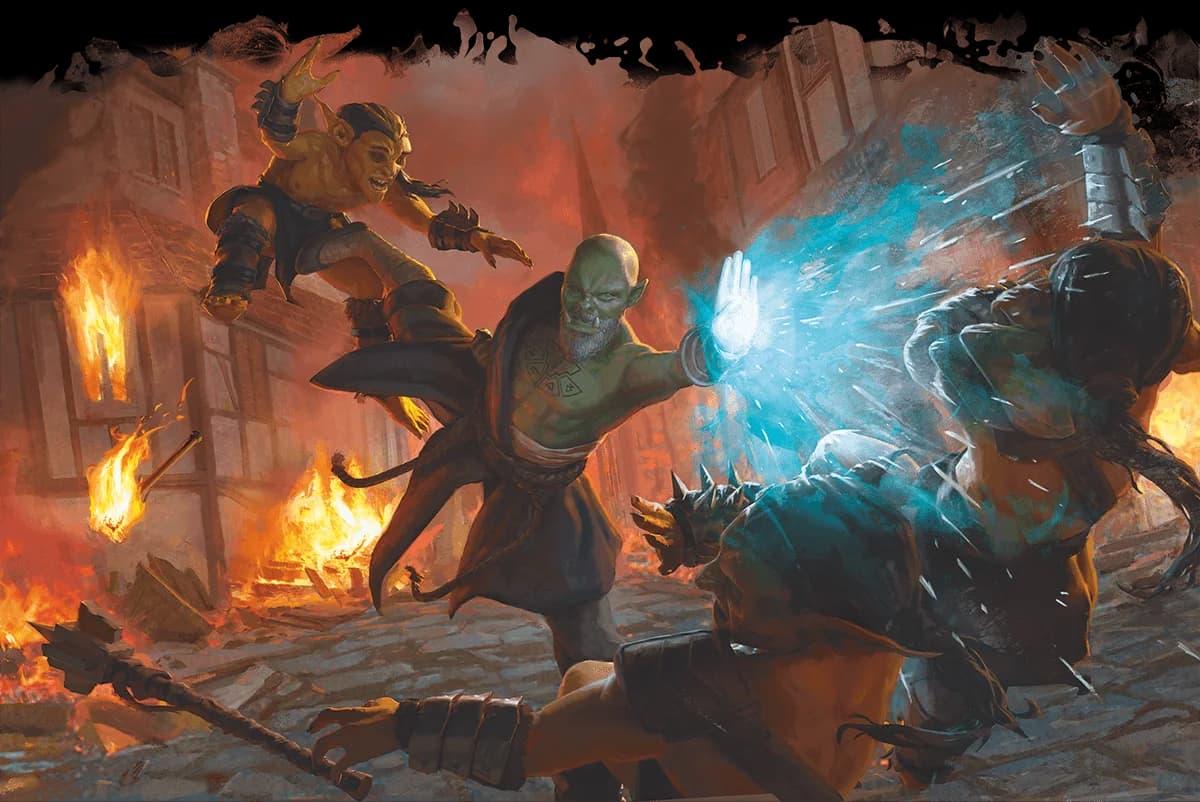


Paladin
The paladin class receives new features and subclasses in this section.
Optional Class Features
You gain class features in the Player's Handbook when you reach certain levels in your class. This section offers additional features that you can gain as a paladin. Unlike the features in the Player's Handbook, you don't gain the features here automatically. Consulting with your DM, you decide whether to gain a feature in this section if you meet the level requirement noted in the feature's description. These features can be selected separately from one another; you can use some, all, or none of them.
Additional Paladin Spells
2nd-level paladin feature
The spells in the following list expand the paladin spell list in the Player's Handbook. The list is organized by spell level, not character level. Each spell is in the Player's Handbook, unless it has an asterisk (a spell in chapter 3). Xanathar's Guide to Everything also offers more spells.
- 2nd level: Gentle repose, Prayer of healing, Warding bond
- 3rd level: Spirit shroud*
- 5th level: Summon celestial*
Fighting Style Options
2nd-level paladin feature
When you choose a fighting style, the following styles are added to your list of options.
- Blessed Warrior
- Blind Fighting
- Interception
Channel Divinity: Harness Divine Power (3rd-level paladin feature)
Martial Versatility (4th-level paladin feature)
Sacred Oaths
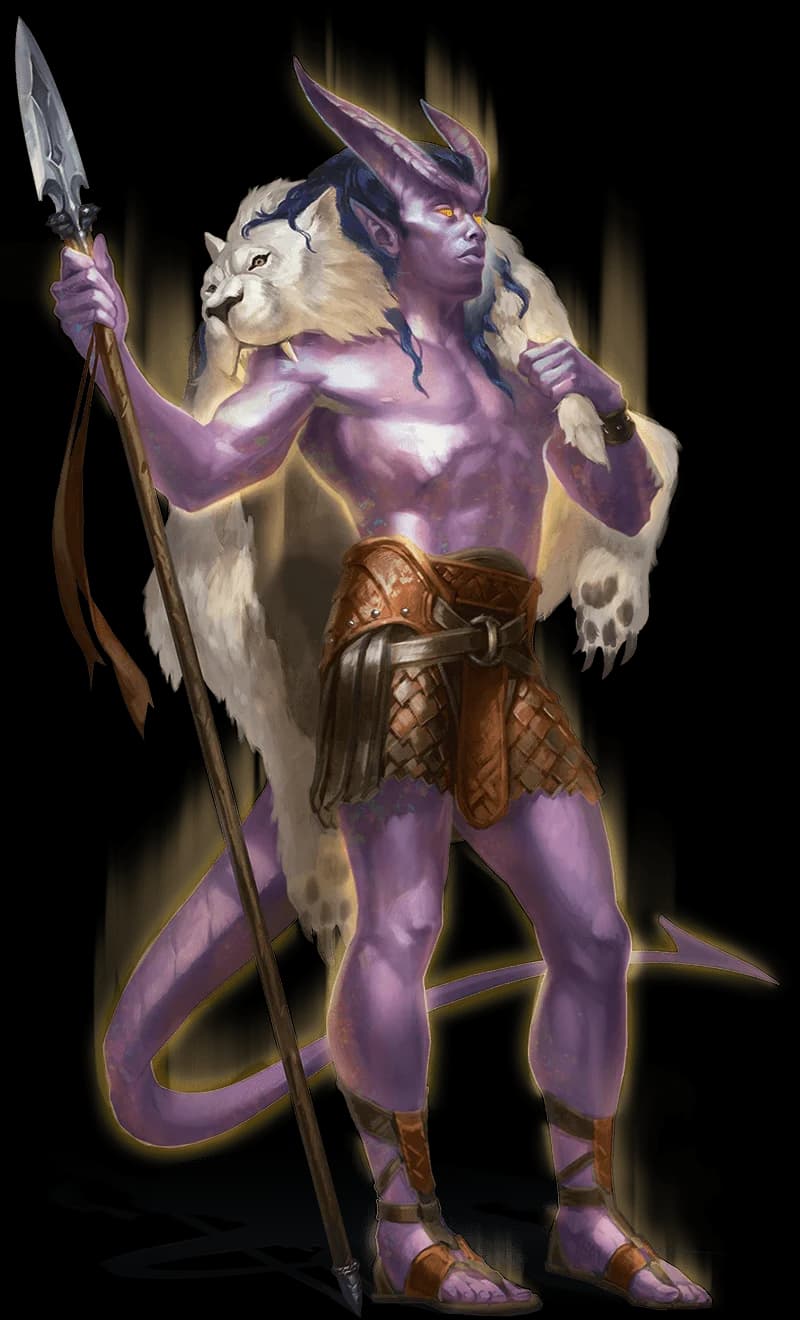
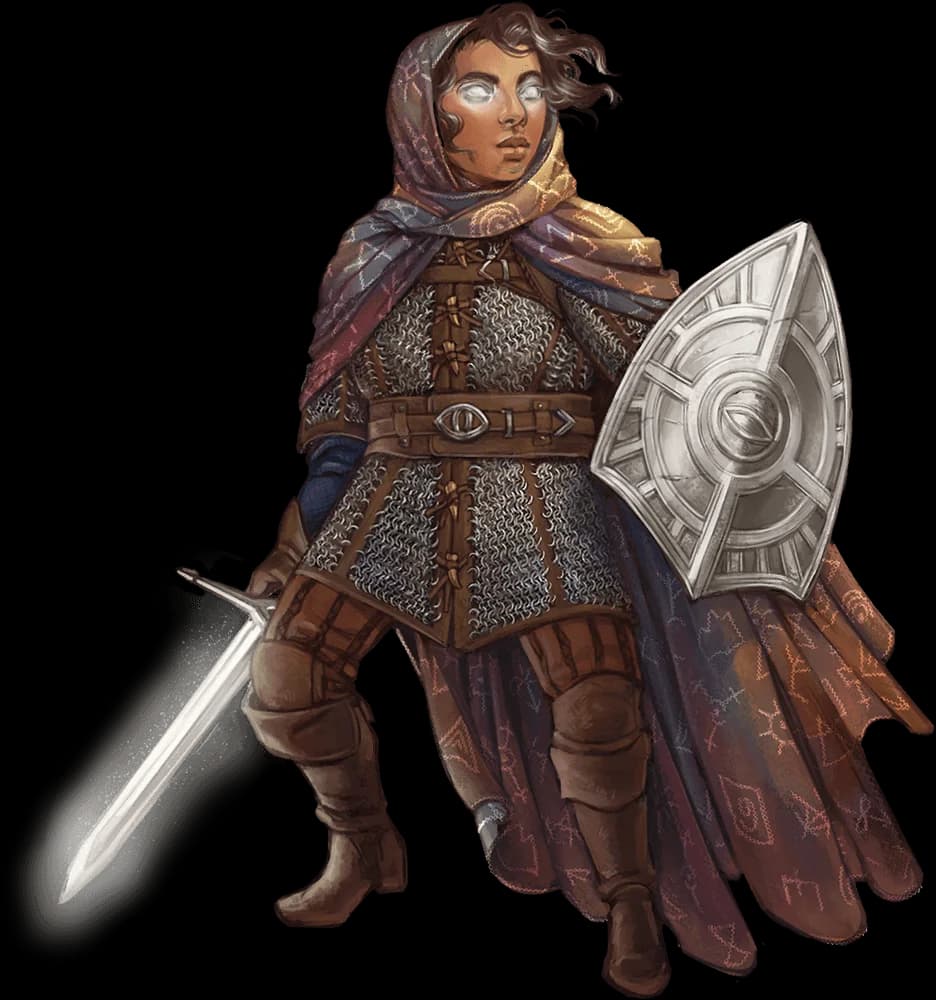
At 3rd level, a paladin gains the Sacred Oath feature, which offers you the choice of a subclass. The following options are available to you when making that choice: Oath of Glory and Oath of the Watchers.
- Oath of Glory
- Oath of the Watchers
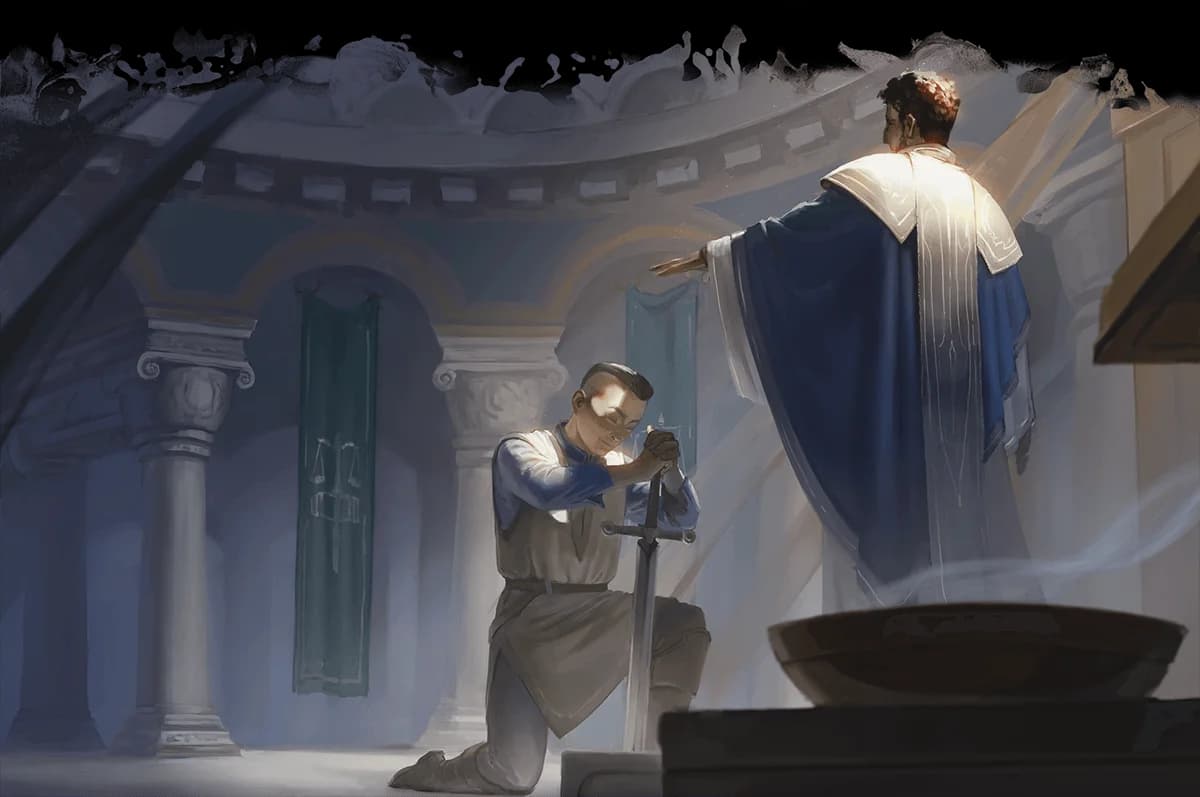
Ranger
The ranger class receives new features and subclasses in this section.
Optional Class Features
You gain class features in the Player's Handbook when you reach certain levels in your class. This section offers additional features that you can gain as a ranger. Unlike the features in the Player's Handbook, you don't gain the features here automatically. Consulting with your DM, you decide whether to gain a feature in this section if you meet the level requirement noted in the feature's description. These features can be selected separately from one another; you can use some, all, or none of them.
If you take a feature that replaces another feature, you gain no benefit from the replaced one and don't qualify for anything in the game that requires it.
Deft Explorer (1st-level ranger feature, which replaces the Natural Explorer feature)
Favored Foe (1st-level ranger feature, which replaces the Favored Enemy feature and works with the Foe Slayer feature)
Additional Ranger Spells
2nd-level ranger feature
The spells in the following list expand the ranger spell list in the Player's Handbook. The list is organized by spell level, not character level. Each spell is in the Player's Handbook, unless it has an asterisk (a spell in chapter 3). Xanathar's Guide to Everything also offers more spells.
- 1st level: Entangle, Searing smite
- 2nd level: Aid, Enhance ability, Gust of wind, Magic weapon, Summon beast*
- 3rd level: Elemental weapon, Meld into stone, Revivify, Summon fey*
- 4th level: Dominate beast, Summon elemental*
- 5th level: Greater restoration
Fighting Style Options
2nd-level ranger feature
When you choose a fighting style, the following styles are added to your list of options.
- Blind Fighting
- Druidic Warrior
- Thrown Weapon Fighting
Spellcasting Focus (2nd-level ranger feature)
Primal Awareness (3rd-level ranger feature, which replaces the Primeval Awareness feature)
Martial Versatility (4th-level ranger feature)
Nature's Veil (10th-level ranger feature, which replaces the Hide in Plain Sight feature)
Ranger Archetypes
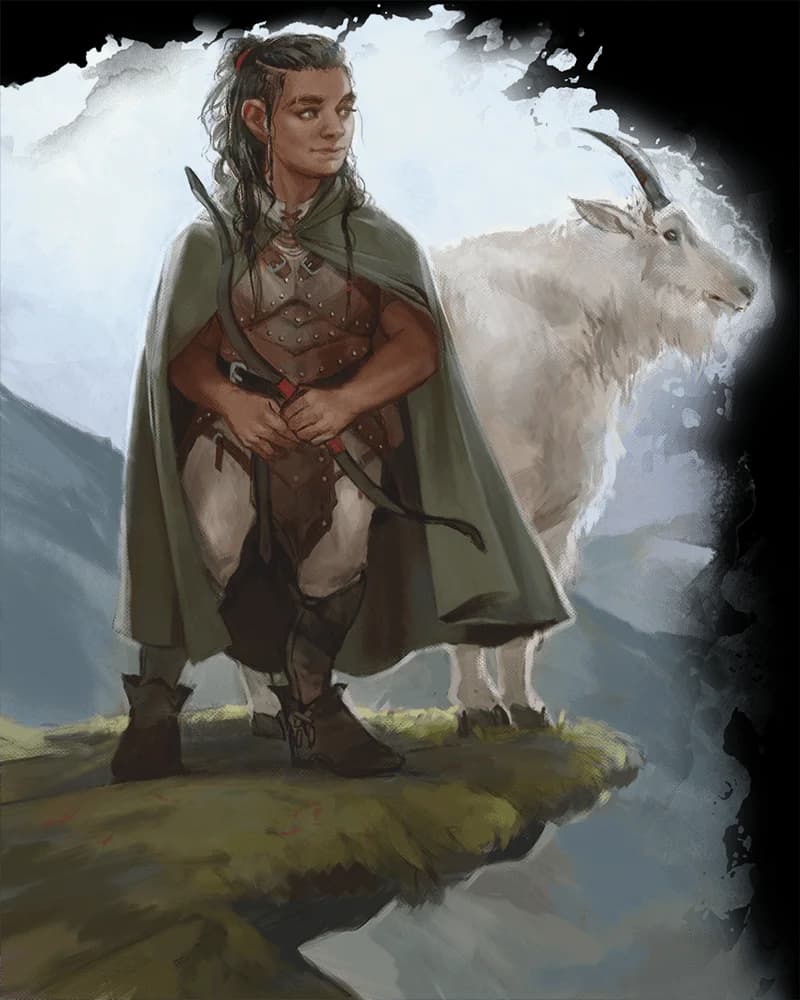
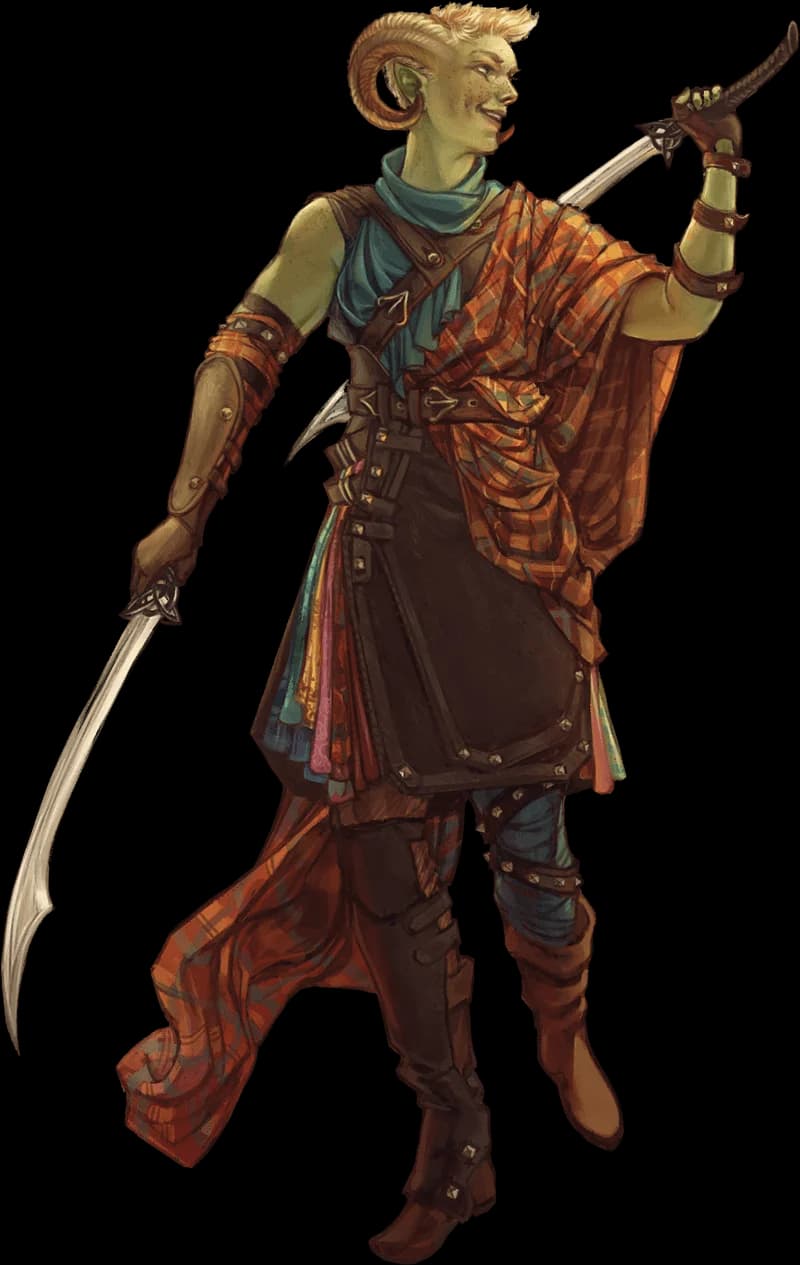
At 3rd level, a ranger gains the Ranger Archetype feature, which offers you the choice of a subclass. The following options are available to you when making that choice: the Fey Wanderer and the Swarmkeeper.
- Fey Wanderer
- Swarmkeeper
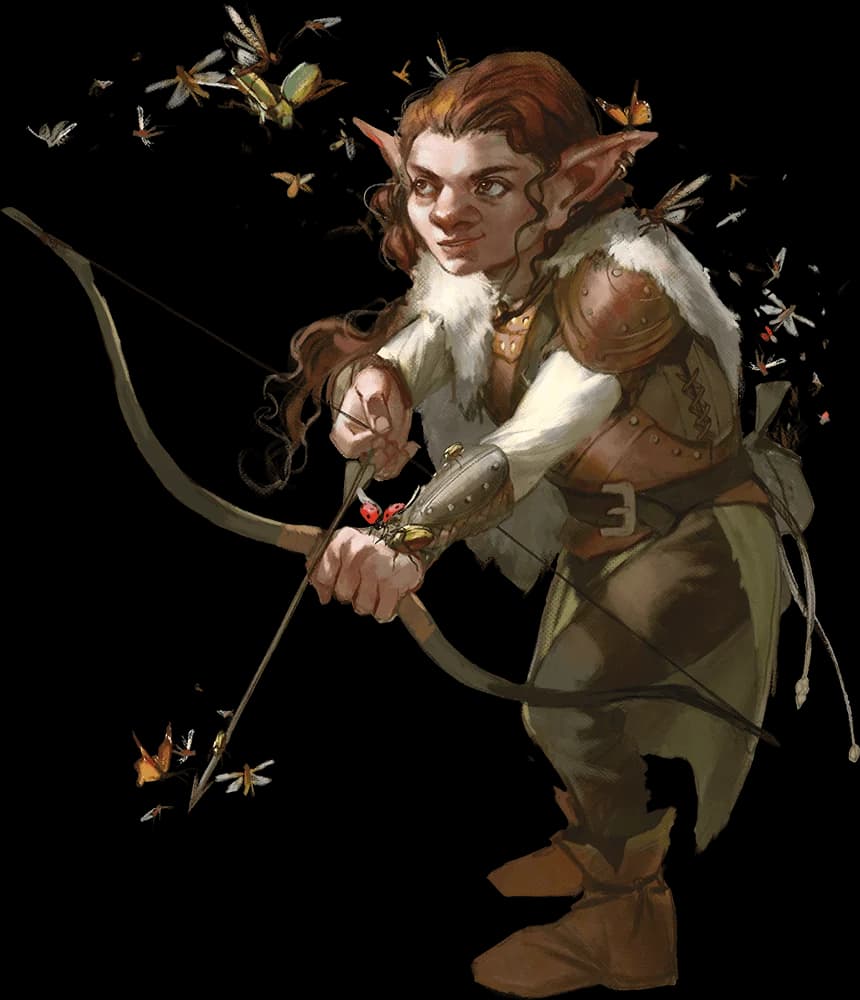
Beast Master Companions
The Beast Master in the Player's Handbook forms a mystical bond with an animal. As an alternative, a Beast Master can take the feature below to form a bond with a special primal beast instead.
Primal Companion (3rd-level Beast Master feature, which replaces the Ranger's Companion feature)
Rogue
The rogue class receives new features and subclasses in this section.
Optional Class Feature
You gain class features in the Player's Handbook when you reach certain levels in your class. This section offers an additional feature that you can gain as a rogue. Unlike the features in the Player's Handbook, you don't gain the feature here automatically. Consulting with your DM, you decide whether to gain the feature in this section if you meet the level requirement noted in the feature's description.
Steady Aim (3rd-level rogue feature)
Roguish Archetypes
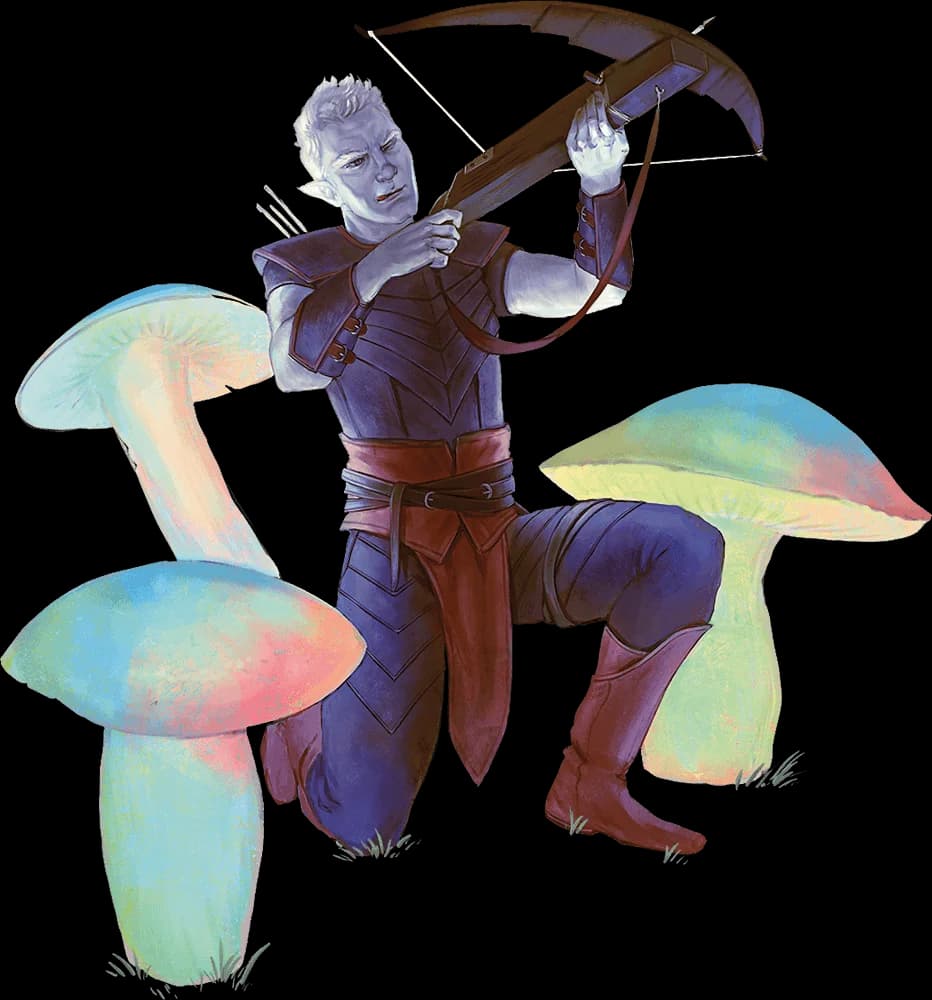
At 3rd level, a rogue gains the Roguish Archetype feature, which offers you the choice of a subclass. The following options are available to you when making that choice: the Phantom and the Soulknife.
- Phantom
- Soulknife

Sorcerer
The sorcerer class receives new features and subclasses in this section.
Optional Class Features
You gain class features in the Player's Handbook when you reach certain levels in your class. This section offers additional features that you can gain as a sorcerer. Unlike the features in the Player's Handbook, you don't gain the features here automatically. Consulting with your DM, you decide whether to gain a feature in this section if you meet the level requirement noted in the feature's description. These features can be selected separately from one another; you can use some, all, or none of them.
Additional Sorcerer Spells
1st-level sorcerer feature
The spells in the following list expand the sorcerer spell list in the Player's Handbook. The list is organized by spell level, not character level. If a spell can be cast as a ritual, the ritual tag appears after the spell's name. Each spell is in the Player's Handbook, unless it has an asterisk (a spell in chapter 3). Xanathar's Guide to Everything also offers more spells.
- Cantrip (0 Level): Booming blade,* Green-flame blade,* Lightning lure,* Mind sliver,* Sword burst*
- 1st Level: Grease, Tasha's caustic brew*
- 2nd Level: Flame blade, Flaming sphere, Magic weapon, Tasha's mind whip*
- 3rd Level: Intellect fortress,* Vampiric touch
- 4th Level: Fire shield
- 5th Level: Bigby's hand
- 6th Level: Flesh to stone, Otiluke's freezing sphere, Tasha's otherworldly guise*
- 7th Level: Dream of the blue veil*
- 8th Level: Demiplane
- 9th Level: Blade of disaster*
Metamagic Options (3rd-level sorcerer feature)
Sorcerous Versatility (4th-level sorcerer feature)
Magical Guidance (5th-level sorcerer feature)
Sorcerous Origins
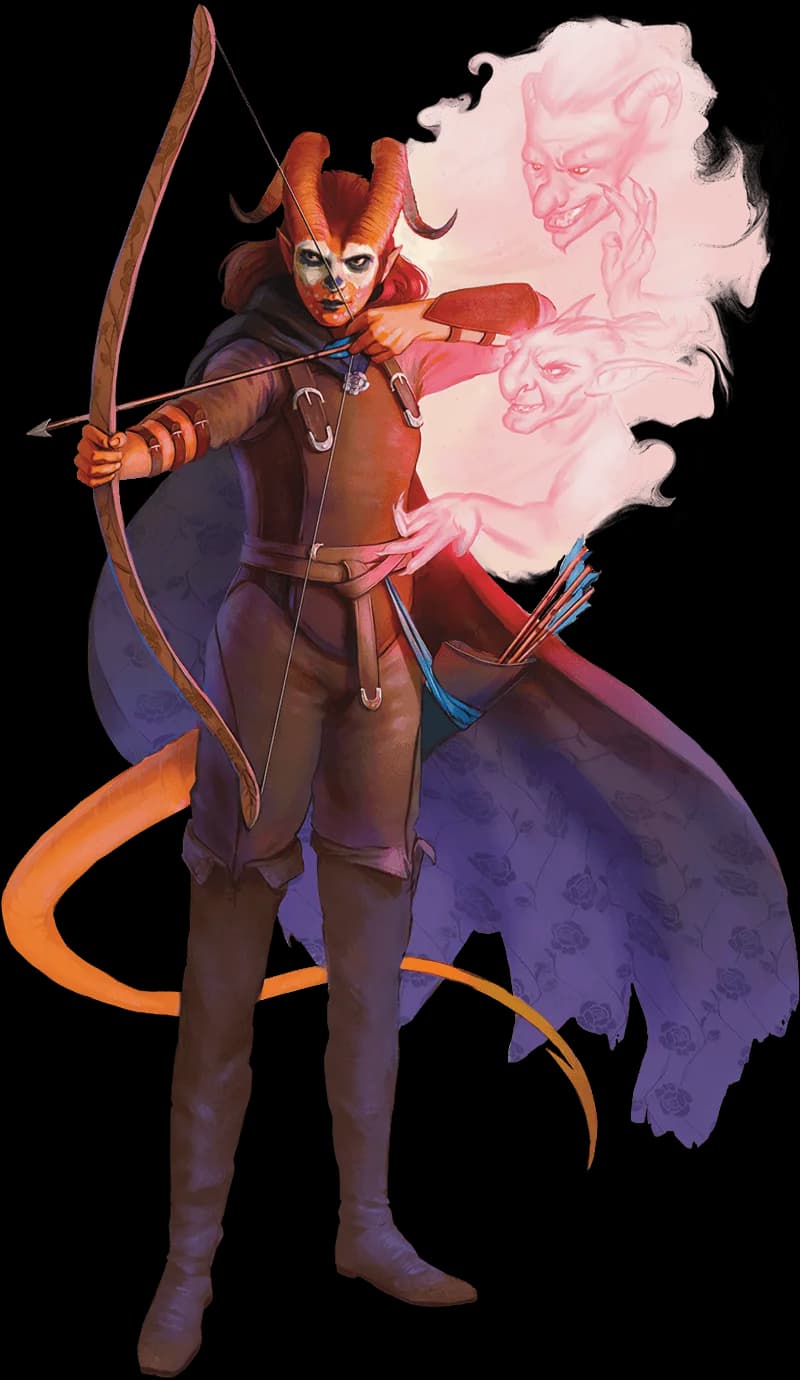
At 1st level, a sorcerer gains the Sorcerous Origin feature, which offers you the choice of a subclass. The following options are available to you when making that choice: the Aberrant Mind and the Clockwork Soul.
- Aberrant Mind
- Clockwork Soul



Warlock
The warlock class receives new features and subclasses in this section.
Optional Class Features
You gain class features in the Player's Handbook when you reach certain levels in your class. This section offers additional features that you can gain as a warlock. Unlike the features in the Player's Handbook, you don't gain the features here automatically. Consulting with your DM, you decide whether to gain a feature in this section if you meet the level requirement noted in the feature's description. These features can be selected separately from one another; you can use some, all, or none of them.
Additional Warlock Spells
1st-level warlock feature
The spells in the following list expand the warlock spell list in the Player's Handbook. The list is organized by spell level, not character level. Each spell is in the Player's Handbook, unless it has an asterisk (a spell in chapter 3). Xanathar's Guide to Everything also offers more spells.
- Cantrip (0 level): Booming blade,* Green-flame blade,* Lightning lure,* Mind sliver,* Sword burst*
- 3rd level: Intellect fortress,* Spirit shroud,* Summon fey,* Summon shadowspawn,* Summon undead*
- 4th level: Summon aberration*
- 5th level: Mislead, Planar binding, Teleportation circle
- 6th level: Summon fiend,* Tasha's otherworldly guise*
- 7th level: Dream of the blue veil*
- 9th level: Blade of disaster,* Gate, Weird
Pact Boon Option
3rd-level warlock feature
When you choose your Pact Boon feature, the following option is available to you.
Pact of the Talisman
Eldritch Versatility (4th-level warlock feature)
Eldritch Invocation Options
When you choose eldritch invocations, you have access to these additional options.
- Bond of the Talisman
- Eldritch Mind
- Far Scribe
- Gift of the Protectors
- Investment of the Chain Master
- Protection of the Talisman
- Rebuke of the Talisman
- Undying Servitude
Otherworldly Patrons
At 1st level, a warlock gains the Otherworldly Patron feature, which offers you the choice of a subclass. The following options are available to you when making that choice: the Fathomless and the Genie.
- The Fathomless
- The Genie



Wizard
The wizard class receives new features and subclasses in this section.
Optional Class Features
You gain class features in the Player's Handbook when you reach certain levels in your class. This section offers additional features that you can gain as a wizard. Unlike the features in the Player's Handbook, you don't gain the features here automatically. Consulting with your DM, you decide whether to gain a feature in this section if you meet the level requirement noted in the feature's description. These features can be selected separately from one another; you can use some, all, or none of them.
Additional Wizard Spells
1st-level wizard feature
The spells in the following list expand the wizard spell list in the Player's Handbook. The list is organized by spell level, not character level. A spell's school of magic is noted, and if a spell can be cast as a ritual, the ritual tag appears after the spell's name. Each spell is in the Player's Handbook, unless it has an asterisk (a spell in chapter 3). Xanathar's Guide to Everything also offers more spells.
- Cantrip (0 level): Booming blade,* (evoc.) Green-flame blade,* (evoc.) Lightning lure,* (evoc.) Mind sliver,* (ench.) Sword burst* (conj.)
- 1st level: Tasha's caustic brew* (evoc.)
- 2nd level: Augury, (divin., ritual) Enhance ability, (trans.) Tasha's mind whip* (ench.)
- 3rd level: Intellect fortress,* (abjur.) Speak with dead, (necro.) Spirit shroud,* (necro.) Summon fey,* (conj.) Summon shadowspawn,* (conj.) Summon undead* (conj.)
- 4th level: Divination, (divin., ritual) Summon aberration,* (conj.) Summon construct,* (conj.) Summon elemental* (conj.)
- 6th level: Summon fiend,* (conj.) Tasha's otherworldly guise* (trans.)
- 7th level: Dream of the blue veil* (conj.)
- 9th level: Blade of disaster* (conj.)
Cantrip Formulas (3rd-level wizard feature)
Arcane Traditions
At 2nd level, a wizard gains the Arcane Tradition feature, which offers you the choice of a subclass. The following options are available to you when making that choice: Bladesinging and the Order of Scribes.
- Bladesinging
- Order of Scribes


Feats
New feats are presented here in alphabetical order for groups that use them.
- Artificer Initiate
- Chef
- Crusher
- Eldritch Adept
- Fey Touched
- Fighting Initiate
- Gunner
- Metamagic Adept
- Piercer
- Poisoner
- Shadow Touched
- Skill Expert
- Slasher
- Telekinetic
- Telepathic


Group Patrons
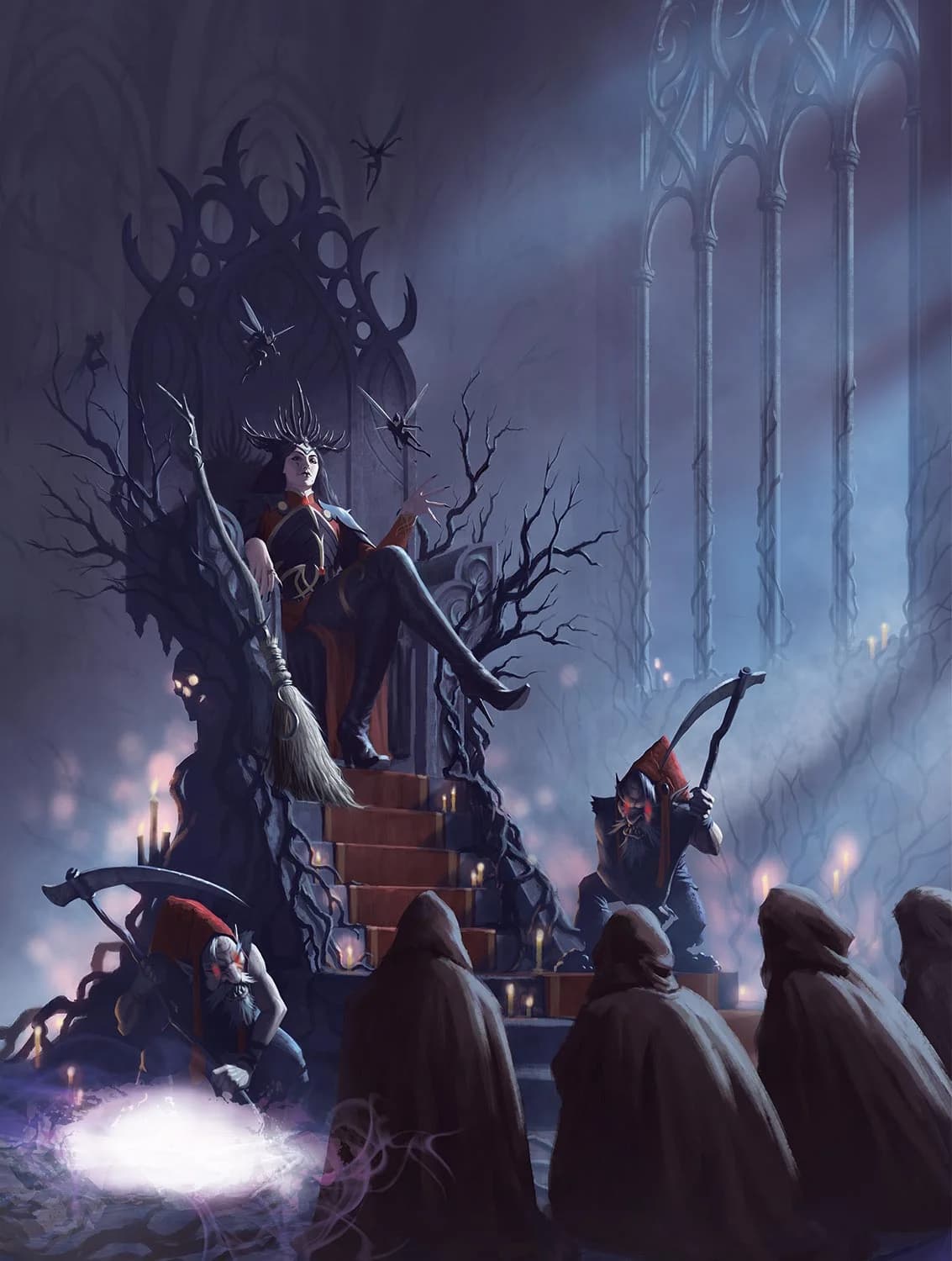
Each adventuring group is bound together by the quests it embarks on and by the dangers its members face together. This chapter offers another way to bind your party together: a group patron. These patrons provide a strong binding element: an individual or an organization that unites a party as a team in service to a greater purpose. A group patron can help set the tone of your party's entire campaign. For example, a group whose patron is an academic institution is likely to have a very different story from a group that serves a military. A patron can influence characters' relationships, their backstories, and the types of dangers they face.
During character creation, every player has the opportunity to weave connections between their character and the other members of their party. Rather than (or in addition to) creating a web of established relationships, players can work with the DM to choose a group patron. And if you're interested in being your own patron, see the "Being Your Own Patron" section at the end of the chapter.
How Patrons Work
The following sections present several group patron options. The description of each patron provides an overview of the types of organizations the group patron represents, perks of membership, and quests the patron encourages adventurers to undertake.
With the input of your DM, you can customize these patrons to reflect specific establishments in your campaign world or to serve as a launchpad tailored for organizations of your design. For example, the guild group patron could represent the Harpers or the Zhentarim of the Forgotten Realms, the Clifftop Adventurers' Guild in Eberron, or a homebrew league of caravan guards. Or perhaps a criminal syndicate, military force, or other category of patron better fits the party's goals. Choose and customize the group patron that works best for your party and the types of adventures you want to explore.
Group Assistance
Having a group patron gives an adventuring group a common purpose, which inspires better coordination in the form of guidance and encouragement. As a result of this unity, each member of the party can grant advantage to an ability check, an attack roll, or a saving throw of another member of the party. To grant advantage in this way, a character and the chosen target must be able to see or hear each other, and neither can be incapacitated. Once a party member grants this advantage, that individual can't do so again until they finish a long rest.
Perks
A group patron offers your party a number of perks for your service. These range from standard business arrangements, such as a steady wage and access to staff facilities, to extraordinary boons, such as audiences with powerful figures or exceptions from certain laws. Specific perks are presented in the description of each group patron.
The DM should not feel limited to providing only the perks noted in each group patron's description. Patrons give a party access to solutions and support they wouldn't have otherwise, and a patron can use their varied resources to guide their agents or prepare them for greater adventures.
Assignments
A more hands-off patron can still significantly motivate your group. Maybe you seek adventures based on what pleases your patron, possibly earning status and rewards within your organization. An academy, for example, might not organize particular missions, so you hunt down ancient artifacts knowing that your patron will reward you for bringing them back. You have the freedom to chart your own destiny, while letting the patron shape the nature of your group and the adventures you undertake.
Example Patrons
Here are some of the most likely patrons for an adventuring group. Presented in alphabetical order, these patrons can serve as inspiration for you to create patrons of your own:
- Academy
- Ancient Being
- Aristocrat
- Criminal Syndicate
- Guild
- Military Force
- Religious Order
- Sovereign
Academy
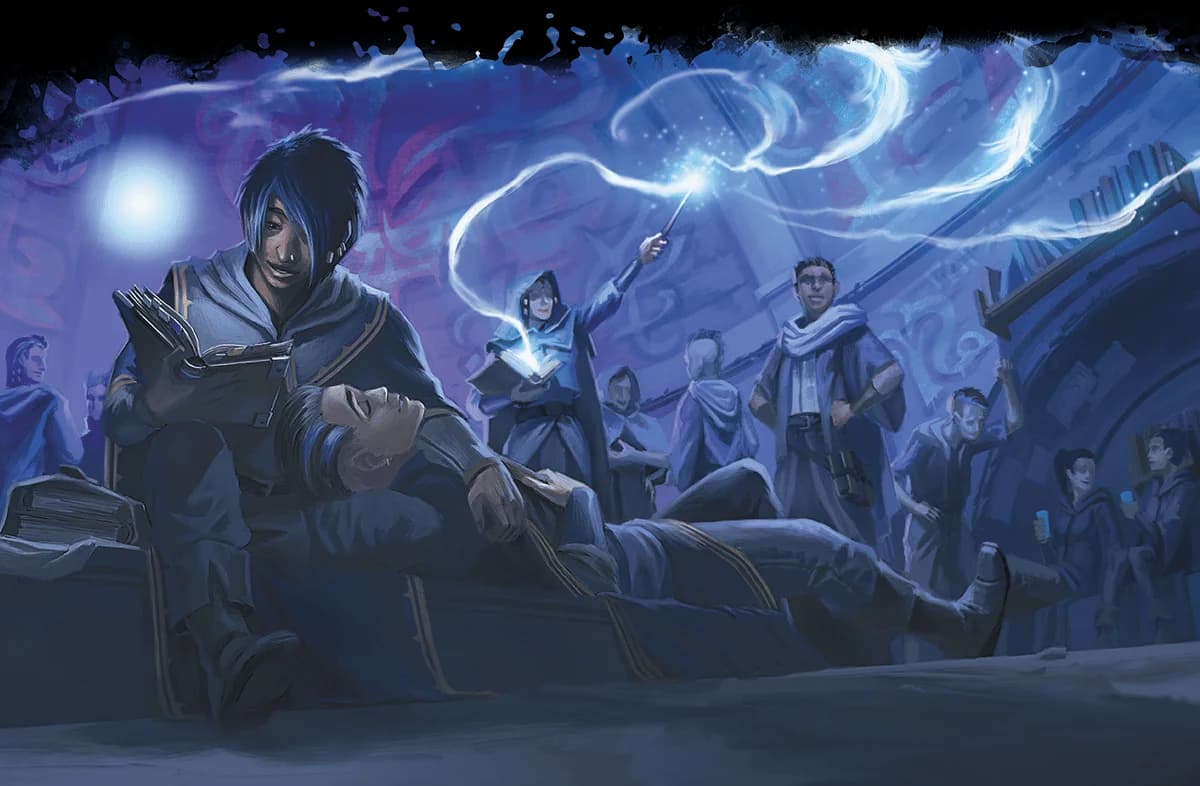
For all you novice wizards thinking about magic training, seriously consider apprenticing. I know liches who are still paying off their academy loans.— TashaThe world's mysteries are innumerable, but you pursue them with vigor. As operatives for an academy, you seek to unravel the secrets of existence and the deeper riddles beyond.
In your work, you brush shoulders with the wisest in the land, travel to places spoken of in myth, and discover truths beyond imagining. Denying ignorance, you pursue wondrous sights and endlessly unearth new facts. Undiscovered creatures, the covetous dead, and jealous rivals impede your work, but in the pursuit of knowledge, no risk is too great.
Types of Academies
Any assemblage of scholars and truth-seekers can function as an academy. Generally, an academy unites a network of learned individuals, allowing them to share their knowledge, further their research, and support common goals. Passing on wisdom to the next generation is part of an academy's mandate, but members find opportunities to undertake far-flung research expeditions—only so much can be learned in libraries, after all. An academy's focus can be broad or singular, artistic or scientific, mundane or magical. For every topic with unexplored possibilities, an academy seeks to plumb its depths or elevate its study.
Roll or pick from the Academy Type table to determine the institution with which you're aligned.
Academy Type
| d6 | Academy Types |
|---|---|
| 1 | Boarding School. Students and faculty enjoy a familial relationship on a self-contained campus. |
| 2 | Arcane Enclave. Drawn together by cutting-edge magical scholarship, the enclave's residents are hungry for secrets, reagents, and subjects. |
| 3 | Secret Monastery. Ageless secrets remain the focus of contemplation and rigorous training at this site. |
| 4 | Elite Institute. This cutthroat college of science or the arts accepts only the crème de la crème of society and talent. |
| 5 | Vault of Secrets. This conspiracy strives to keep or eradicate all knowledge of a specific truth. |
| 6 | Museum of Dreams. Magical communication or shared dreamscapes connect a network of wide-ranging specialists. |
Academy Perks
With an academy as your group's patron, you gain the following perks.
Compensation. The academy pays for the work you do on its behalf. The nature of your employment influences your compensation. On average, the academy pays each member of your group 1 gp per day, or enough to sustain a modest lifestyle. Alternatively, you receive a bounty (at least 250 gp) for each artifact or relevant discovery you bring back from your adventures and donate to the academy.
Documentation. Each member of your group has identification denoting your affiliation with the academy. This association carries clout in scholarly or artistic circles. The academy also secures documentation, letters of introduction, and traveling papers if your work requires them. Such documents grant you special status, such as access to forbidden regions or neutral standing in embattled areas. Such identification isn't always a boon, though. In a land frequently plundered by foreigners, your documents could mark you as nothing more than aggrandized looters to some.
Research. Research is part of your group's job, but your patron also has abundant resources to facilitate such efforts. You can call in a favor to delegate the work of researching lore (a downtime activity described in the Player's Handbook and Xanathar's Guide to Everything) to a colleague, contact, librarian, or research assistant. You're responsible for covering expenses incurred as part of this research, and the DM determines its success or failure.
Resources. Academies host libraries, museums, record repositories, and training facilities, and you can use them to further your work. You can call in a favor from faculty members to access resources not available to the public—dangerous relics or magic items, spellbooks, gear, and the like. Additionally, you can consult with the faculty of your academy as the experts in various fields.
Training. Because you're associated with the academy, you receive a discount on any education you wish to pursue. When you undergo training as a downtime activity (as described in the Player's Handbook or Xanathar's Guide to Everything), you pay half the normal cost, assuming the academy teaches that subject. Training in languages, musical instruments, and other tools is also available, at the DM's discretion. In addition, you can gain proficiency in the Arcana, History, Nature, or Religion skills by this method, as if you were learning a language. A character can learn only one of these skills in this way.
Academy Contact
How much autonomy you have in choosing your missions and how often you're expected to perform on the academy's behalf depends largely on your place in the institution's hierarchy. As students, new professors, or support staff, you aid the work of a senior professor or entire department. If you are further along in your career, you have your own goals and assistants, but you still take on assignments to further the goals of esteemed experts, deans, or the academy as a whole. In any of these cases, a specific contact manages your relationship to the academy.
Roll or pick from the Academy Contact table to determine who manages the relationship between you and the academy.
Academy Contact
| d6 | Contact |
|---|---|
| 1 | Harried Functionary. A disinterested secretary conveys written correspondence to you from an exceptionally busy or aloof senior faculty member. |
| 2 | Celebrated Instructor. Despite their throngs of ambitious assistants, a celebrity researcher considers you their star pupil. |
| 3 | Wizened Fixture. A fantastically old, believed-to-be-deceased librarian gives you assignments from the circulation desk they never leave. |
| 4 | Infatuated Tourist. A flirtatious visiting scholar perceives your every report and donated discovery as a personal gift. |
| 5 | Spectral Fragment. A haunted piece of the academy's collection compels you to complete its secret research. |
| 6 | Distant Observer. A mysterious sponsor encourages your research from afar to avoid alerting nefarious forces embedded within the academy's bureaucracy. |
Academy Factotums
If you have an academy as your patron, you are likely engaged in a scholarly pursuit or support someone who is. Consider being a promising student or a new member of the faculty. While you have a modest course load that you handle behind the scenes (or using any of a variety of downtime activities), your primary interests involve aiding your contact in their research. Alternatively, you might work to further the academy's efforts in another way, perhaps related to security or funding.
The Academy Factotum Roles table provides suggestions for functions you perform within an academy and the backgrounds frequently associated with each role.
Academy Factotum Roles
| Role | Backgrounds |
|---|---|
| Student | Acolyte, Guild Artisan, Noble, Outlander, Sage, Urchin |
| Groundskeeper | Charlatan, Hermit, Outlander, Soldier, Urchin |
| Professor | Acolyte, Entertainer, Folk Hero, Noble, Sage |
| Researcher | Acolyte, Charlatan, Guild Artisan, Hermit, Sage |
| Financier | Charlatan, Criminal, Noble, Sailor, Urchin |
| Expert Speaker | backgrounds.html |
Academy Quests
The focus of your study and the academy's research defines the missions you undertake. Academics struggle to keep one step ahead of their scholarly rivals, making many of them suspicious of—even hostile toward—other intellectuals. Beyond rivals within their own profession, academics face challenges from their subjects (whether members of lost civilizations or magical beings) or suspicious anti-intellectuals. Not everyone wants to be the subject of scholarly scrutiny or thinks that solving the world's mysteries is important or desirable.
The Academy Quests table presents a few of the sort of endeavors your work or studies lead you to undertake.
Academy Quests
| d6 | Quest |
|---|---|
| 1 | Aberrant Zoology. You undertake expeditions to document, capture, and explain beings antithetical to the natural order. |
| 2 | Arcanodynamics. You investigate the ways magic underpins existence, exploring its flows and seeking ways to harness its nexuses. |
| 3 | Forbidden History. You reveal the lost truths of the world's darkest ages, pursuing the history of purposefully hidden or taboo eras. |
| 4 | Cryptogeography. You search for proof of a hidden land or that the world isn't structured as commonly assumed. |
| 5 | Restorative Antiquarianism. You track clues leading to plundered artifacts and then restore them to their rightful owners. |
| 6 | Evolutionary Divinity. You dare to explore what no mortal was meant to know: the origins of divinity. |
Ancient Being
Any time an unfathomably powerful entity sweeps in and offers godlike rewards in return for just a few teensy favors, it's a scam. Unless it's me. I'd never lie to you, reader dearest.— TashaYour group is bound to the designs of an ancient being of tremendous power and influence. You might serve as the creature's eyes and ears in the world, carrying information back to it. Or perhaps you work as its direct agents, enacting its will. Whether you chose this arrangement or were tricked into it, you can count on the strange resources of your benefactor as long as you serve its purpose.
Types of Ancient Beings
From brooding dragons to unfathomable voices whispering from the dark, ancient beings guide and empower mortals for inscrutable reasons. The relationship your group has to its patron might be a clearly defined exchange, or it could be uncertain or forceful. Whatever the nature of the being, as long as your group fulfills its role, the being offers rewards.
Roll or pick from the Ancient Being table to determine the being your group serves.
Ancient Being
| d6 | Ancient Being |
|---|---|
| 1 | Elder Dragon. An ancient dragon seeks knowledge or power. It wishes to gather greater wealth for its hoard, its ambitions expanding in its advancing years. |
| 2 | Lich. An undead spellcaster of immense power employs your group. Its interests are strangely diverse and seemingly benign. Perhaps it's not as evil as conventional adventuring wisdom suggests? |
| 3 | Bound Fiend. This fiend is bound to a location, either in its true form or as a possessing spirit. Whether trapped in an unbreakable circle of binding sigils or sealed as a spirit within a gigantic statue, the fiend's influence drives your group. |
| 4 | Guardian Celestial. An angel or another powerful celestial takes an interest in a specific region of the Material Plane. It cultivates a network of mortal informants and agents to serve its agenda. |
| 5 | The Endless. This person has lived many lifetimes because they can't die—at least not permanently. No matter the cause of their demise, they return. To all appearances, they are alive and mortal, but they control the amassed resources of an immortal. |
| 6 | Primal Manifestation. Its existence defies mortal understanding; the being simply is. It could be a primordial force of nature awakened to self-awareness that now inhabits the landscape or an alien intellect that whispers through proxies, omens, and idols. |
Ancient Being Perks
With the ancient being as your group's patron, you gain the following perks.

Equipment. Your patron's network has access to certain magic items. You can purchase common magic items from your patron contact. The DM determines the available stock or can call for a group Intelligence (Investigation) check to ascertain if the ancient being's network can successfully locate a desired item. The DC for this check is 10 in a city, 15 in a town, and 20 in a village. If the check fails, 1d8 days must pass before the same item can be searched for again in that community.
The DM sets the price of a common magic item or determines it randomly: 2d4 × 10 gp, or half as much for a consumable item such as a potion or scroll.
Research. Relying on an ancient being's network of contacts, the being's vast collection of lore, or perhaps the being's direct teaching helps you unearth hidden secrets. If you can contact your patron or their agents, your group makes ability checks made to research lore related to your patron's interests and influence with advantage.
Sanctuary. Your patron's agents have safe houses or other secure gatherings spread across a wide region. Your group knows how to locate these friendly enclaves and can maintain a modest lifestyle in one for no cost. In return, you must defend the sanctuary or protect the secret of its existence.
Strange Gifts. Your patron grants your group a small measure of esoteric power. At 5th level, and again at 13th, you gain one supernatural gift as described in the treasure chapter of the Dungeon Master's Guide. The DM determines which supernatural gifts are available.
Ancient Being Contact
The organizational contact who dispenses assignments or delivers the word of your patron runs the gamut from prosaic to otherworldly. Roll or pick from the Ancient Being Contact table to determine who or what conveys your patron's will.
Ancient Being Contact
| d6 | Contact |
|---|---|
| 1 | Employer. An established member of local society acts as the interface between you and the patron and provides the cover of legitimate employment. They could be a bartender, shopkeeper, local official, or noble. |
| 2 | Back-Room Dealers. An exclusive area in an otherwise-ordinary establishment requires a password or token to gain entry. There you meet and communicate with shadowy agents of your patron. |
| 3 | Magical Message Drop. Magically recorded messages from your contact or your patron appear in odd places. You know to check a predetermined location, such as a crack in an ancient monolith or a specific grave, for instructions. |
| 4 | Visions. Your patron doesn't use intermediaries, instead speaking to you in dreams, omens, or visions. The being appears in your mind as you sleep, taking control of your dreams to deliver instructions that become difficult to ignore. |
| 5 | Ephemeral Echo. Your contact never physically reveals itself to you. Perhaps it is the ghost of a dead person, an entity that appears outside the flow of time, or a projected illusion of a being that never leaves your patron's hidden sanctum. |
| 6 | The Mouthpiece. The ancient being's voice whispers through the lips of an ordinary person. You patron might posses the body of a stranger or a party member to converse with you. |
Ancient Being Operatives
Consider the overarching goals of your group's ancient being patron when determining who they recruit as agents. In what arenas does that being likely hold sway? A powerful lich recruits other ambitious spellcasters, as well as skilled warriors to serve as bodyguards. A dragon values socially adept agents and those who influence society's decision-makers. Consider how your capabilities and interests align directly with those of the ancient being, or how you unwittingly fell into the patron's service.
The Ancient Being Operative Roles table suggests a variety of parts you can play within an ancient being's schemes and the backgrounds frequently associated with each role.
Ancient Being Operative Roles
| Role | Backgrounds |
|---|---|
| Devotee | Acolyte, Hermit, Noble, Outlander, Sage |
| Infiltrator | Charlatan, Criminal, Hermit, Soldier, Urchin |
| Mouthpiece | Charlatan, Entertainer, Folk Hero, Hermit, Sage |
| Pupil | Acolyte, Entertainer, Folk Hero, Guild Artisan, Sage |
| Guardian | Acolyte, Folk Hero, Hermit, Outlander, Soldier |
| Offspring | backgrounds.html |
Ancient Being Quests
Though their work remains mysterious, ancient beings send their agents to exact their will in myriad ways. Servants of other powerful beings try to stymie your patron's plans, while misguided (or entirely justified) monster hunters seek to rid the world of their ancient foe. An ancient being's lengthy history inspires unusual and potent enemies.
The Ancient Being Quests table presents a few options for the sorts of work your patron expects from you.
Ancient Being Quests
| d6 | Quest |
|---|---|
| 1 | Rescue. A wayward agent went missing while gathering information or materials. You must discover their fate and recover them and their findings. |
| 2 | Sabotage. You must destroy an aspect of a rival's organization, either assassinating a key minion or destroying a critical object. |
| 3 | Artifice. Your specialized skills are instrumental to assembling components for a powerful magic ritual or object. |
| 4 | Treachery. A high-profile minion of another powerful figure is in a position to betray their master, to the benefit of your patron. You must convince them to defect to your organization or extract them from now-hostile territory. |
| 5 | Culling. A respected agent of your patron (possibly an ally or a mentor for your group) has been compromised. Perhaps they are defecting to a rival, attempting to seize the ancient being's power. Whatever the case, you must catch them to end their threat. |
| 6 | Astral Heist. A powerful rival of your patron stores their secrets in a mind vault on the Astral Plane. That means they can't be tricked or coerced into revealing anything, nor can their thoughts be read. You must find the vault and travel through the rival's deadly memories to find the knowledge your patron desires. |
Aristocrat
There's a Bandit Kingdoms saying that I'm forgetting—something like "those who rub against money are closest when the collectors come." I don't remember the specifics, but it seems applicable here.— TashaYour group serves at the pleasure of a member of the nobility. Motivated by money, power, and politics, your patron uses your group to further their agenda without dirtying their hands, or perhaps they send you to the palaces of their enemies as envoys of peace. In exchange for loyalty and discretion, your patron is a powerful ally whose favor bestows far more than gold.
Types of Aristocrats
From the heads of scheming merchant families to immortal sorcerer-queens, each member of the aristocracy holds a measure of wealth and power—and they desire more. The rulers of a barony could struggle to reclaim the influence they once held, while the new head of a business dynasty might seek to catapult their fortunes to new heights. By aligning with such patrons, you stand to benefit enormously from the fruits of their ambition.
Roll or pick from the Aristocrat Types table to determine what kind of noble you serve.
Aristocrat Types
| d6 | Aristocrats |
|---|---|
| 1 | Local Lord. Convinced that power and prestige lie just around the corner, this minor lordling grasps for every opportunity to climb the ranks. |
| 2 | Merchant Mastermind. Reputation, wealth, and power are one and the same for the head of a family with world-spanning business holdings. |
| 3 | Nomadic Princeling. Nothing is more appealing to this princeling than treasure. Their sprawling merchant caravan trails behind their palanquin as far as the eye can see. |
| 4 | Double Dealer. The leader of a noble family has turned against their nation, secretly opposing their liege for personal gain or ethical reasons. |
| 5 | Ambitious Entrepreneur. The sole heir of a vast fortune, this entrepreneur seeks allies to expand their wealth in a new business on the international, global, or planar stage. |
| 6 | Future Ruler. This young noble is destined to rule, but currently their whims are fickle and dangerous. |
Aristocrat Perks
With an aristocrat as your group's patron, you gain the following perks.

Expenses. Your patron reimburses you for extraordinary expenses incurred as part of your work. You are required to account for your expenses and must explain any extraordinary expenditures, but routine travel, ordinary equipment, and basic services don't draw a second glance.
Immunity. As long as you remain in the aristocrat's good graces, you are nearly immune to prosecution under the laws within the aristocrat's sphere of influence. When you are carrying out your orders, you have a great deal of leeway in how you choose to go about that, and the law isn't an obstacle. Committing serious crimes—especially if they are unrelated or unnecessary for the assigned work—is a sure way to fall out of your patron's good graces, however.
Luxury. Your patron deigns to host you at their home or in other luxurious accommodations for a brief period as reward for a job well done. Such a stay typically lasts for no longer than two weeks per year, during which you maintain an aristocratic lifestyle for no cost. You must defend the locale if necessary, but you're largely afforded time to relax as you please. However, poor (or outright destructive) guests rarely receive invitations to stay again.
Salary. Your employment under an aristocratic patron brings an income of 1 gp per day, or enough to maintain a modest lifestyle. At the DM's discretion, your salary increases or decreases depending on the aristocrat's nature, the type of work, and the length of your employment.
Aristocrat Contact
Aside from a few exceptions, aristocrats prefer to have someone else handle communication with the hired help. As a result, you communicate with an intermediary who serves as a go-between in your dealings with your patron.
Roll or pick from the Aristocrat Contact table to determine who serves as your patron's proxy.
Aristocrat Contact
| d6 | Contact |
|---|---|
| 1 | Common Contact. A servant with ambitions toward a title works as a go-between for your patron. |
| 2 | Professional. A level-headed advisor or manager of your patron's business directs you in keeping their reckless employer safe. |
| 3 | Family Peacemaker. A naive aristocrat appointed by your patron wants your assistance in keeping the peace between fractious family members, which isn't your patron's priority. |
| 4 | Intimate Connection. A common-born confidant or lover of your patron guides you in creating circumstances to bolster the noble family's best interests. |
| 5 | Outside Insider. An outcast noble favored by your patron works with you to uphold their family's interests despite their exile. |
| 6 | Outsider Inside. A mysterious entity manipulates a noble family's fortunes. Through your patron, it employs you to help guide its chosen family along a centuries-long course. |
Aristocrat Retainers
Aristocrats seek agents to pursue business, political, criminal, or personal agendas. In return, you might serve an aristocrat merely for the salary or to gain access to particular tools, information, or political clout. Or you could be a lesser family member, expected to serve the will of family leaders. Regardless of your skills or social standing, aristocratic patrons with enough foresight and imagination find a use for agents from any background.
The Aristocrat Retainer Roles table suggests a variety of parts you might play in an aristocrat's agenda and the backgrounds frequently associated with each role.
Aristocrat Retainer Roles
| Role | Backgrounds |
|---|---|
| Advisor | Acolyte, Charlatan, Folk Hero, Hermit, Sage |
| Bodyguard | Criminal, Folk Hero, Noble, Outlander, Soldier |
| Informant | Charlatan, Criminal, Entertainer, Sailor, Urchin |
| House Staff | Entertainer, Guild Artisan, Sailor, Soldier, Urchin |
| Messenger | Charlatan, Entertainer, Outlander, Sailor, Urchin |
| Family Scion | backgrounds.html |
Aristocrat Quests
A missive from your patron proffers a different kind of mission each time. For one assignment, you act as an envoy during delicate trade negotiations; the next, you're sent trekking through mountain passes to gather a favorite flower for a party. Foes are endless, and yesterday's ally might be tomorrow's target. The only things that are certain are the variety of your patron's whims and that tomorrow there will surely be more.
The Aristocrat Quests table presents the sorts of work you might conduct at your highborn patron's request.
Aristocrat Quests
| d6 | Quest |
|---|---|
| 1 | Noble Union. You work within multiple noble factions to unite rival families. |
| 2 | Business Breakthrough. You track down and obtain a wonder your patron believes is the key to their financial fortunes. |
| 3 | Sabotage Rival. You break into the business or estate of an enemy noble family and undermine their political or professional ventures. |
| 4 | Lost Lineage. You seek evidence of a lost branch of a noble family or proof that individuals don't possess a noble pedigree. |
| 5 | Origin of Nobility. You reveal the secret reason why certain individuals were elevated to noble status and how they will soon fulfill their purpose. |
| 6 | The New Nobility. You recreate the remarkable event that granted today's noble families their special standing, enabling the rise of new nobles. |
Criminal Syndicate
Crime—what's the point? Why steal from someone when you can simply outwit them or turn them into a toad?— TashaA network of criminals employs your group. You could be full-fledged members in good standing with the syndicate or probationary inductees looking to make your mark and earn its trust. Perhaps your group works for the syndicate against your will: you owe them big for a job gone wrong, for killing the wrong person, or simply for being born into a family that's already in conflict with powerful, unscrupulous people.
Types of Criminal Syndicates
Criminal syndicates range from the local thieves' guild, to a corrupt consortium of merchant princes, to a ring of otherworldly invaders infiltrating all levels of society for a nefarious purpose. Whatever form it takes, the syndicate is largely concerned with increasing wealth for its members at the expense of society at large.
Conversely, the syndicate could be an underground organization of good-hearted people fighting against a wicked power structure. Criminal syndicates with a heroic bent include the band of plucky outlaws who hijack taxes from the cruel baron and return them to the downtrodden and a hard-bitten ring of deserters who fight their homeland's invaders.
Roll or pick from the Syndicate Types table to determine what type of criminal organization you serve.
Syndicate Types
| d6 | Syndicate |
|---|---|
| 1 | Thieves' Guild. A disparate convocation of thieves, spies, smugglers, and other scoundrels controls criminal activity in a region of a city. |
| 2 | Assassin Society. The network's livelihood is death. Members of the society hone their skills as cutthroats, poisoners, body-disposal specialists, and any other profession focused on ending lives. The society is motivated by profit or labors in service to a greater cause. |
| 3 | Magical Arms Dealer. The syndicate has cornered the market on deadly magical devices. They offer their services and wares for a price and acquire staggering magical might for those who meet their demands. |
| 4 | Pirate Fleet. This alliance of pirate captains is unified under a ruling captain or admiral and adheres to a strict code of honor. They converge only in response to an outside threat. |
| 5 | Body Snatchers. The syndicate consists predominantly, if not entirely, of creatures that possess or impersonate other people. They seek to replace influential individuals throughout society with members of their ranks. |
| 6 | Thought Thieves. These psychic criminals infiltrate their target's minds to steal secrets and disguise their existence. |
Criminal Syndicate Perks
With the criminal syndicate as your group's patron, you gain the following perks.
Assignments. The syndicate doesn't pay you directly, but it assigns you to particular tasks on behalf of its clients or the organization. Someone hires the syndicate to perform a task (such as an assassination), and the syndicate passes 85 percent of the fee on to your group. If the aim is to enrich the syndicate (such as by pulling off a heist), you have the privilege of keeping 85 percent of what you steal. Other syndicates take more or less than a 15 percent share, at the DM's discretion.
Contraband. You have access to your syndicate's business in contraband, such as poisons or narcotics. You don't receive a discount on these goods, but you can always find someplace to purchase them.
Fences. Members or associates of your syndicate are skilled at disposing of stolen goods, and you have access to this service as well. Fences are useful for selling not just illicit goods but also expensive items such as works of art and magic items. In the case of magic items, this allows you to delegate the work of finding a buyer (a downtime activity described in the Dungeon Master's Guide and Xanathar's Guide to Everything) to the fence. When using the syndicate's fences, you run no risk of a double-cross or other mishap in finding a buyer, but the syndicate takes 20 percent of the sale price as a finder's fee.
Safe Houses. The syndicate maintains safe houses or other secret hiding spots across a wide region. Your group knows how to locate these nondescript redoubts and can maintain a poor lifestyle in one for no cost. Revealing a safe house, whether purposefully or by accident, causes you to lose favor with the syndicate and may see you banned from using them.
Syndicate-Owned Businesses. The syndicate owns several businesses, primarily as fronts for laundering money. When you buy from one of these businesses, you get a 5 percent discount. The DM decides what goods and services are available.
Criminal Syndicate Contact
Each member of the syndicate has a place in the organization. You report to a contact who handles your contribution by giving you assignments, collecting the syndicate's cut of your swag, or seeing that you receive your fee for contract work from outside clients. The contact is your first point of communication if you need to reach out to highly ranked members of the syndicate's hierarchy.
Roll or pick from the Syndicate Contact table to determine your contact within a criminal organization.
Syndicate Contact
| d6 | Contact |
|---|---|
| 1 | Personal Mentor. This longtime member of the syndicate took you under their wing when you were young and became a parental figure. |
| 2 | Clever Urchin. An innocuous person, perhaps a beggar or menial laborer, knows all the right people and shares their connections with you. |
| 3 | Former Law Enforcement. Your contact used to be (or maybe still is) a member of local law enforcement. They have sharp insight into the law's workings in your area and a healthy dose of paranoia for that reason. |
| 4 | Bon Vivant. The boss of a local den of vice—whether gambling, narcotics, or other pleasures—aids you when they're not distracted by their own debauchery. |
| 5 | Traitor. You know your contact in the syndicate has betrayed it, but they have enough clout and leverage that you don't dare cross them—yet. |
| 6 | Criminal Royalty. Unknown to most, your contact is a member of local nobility or royalty. Why they maintain relations with the syndicate is a troubling mystery. |
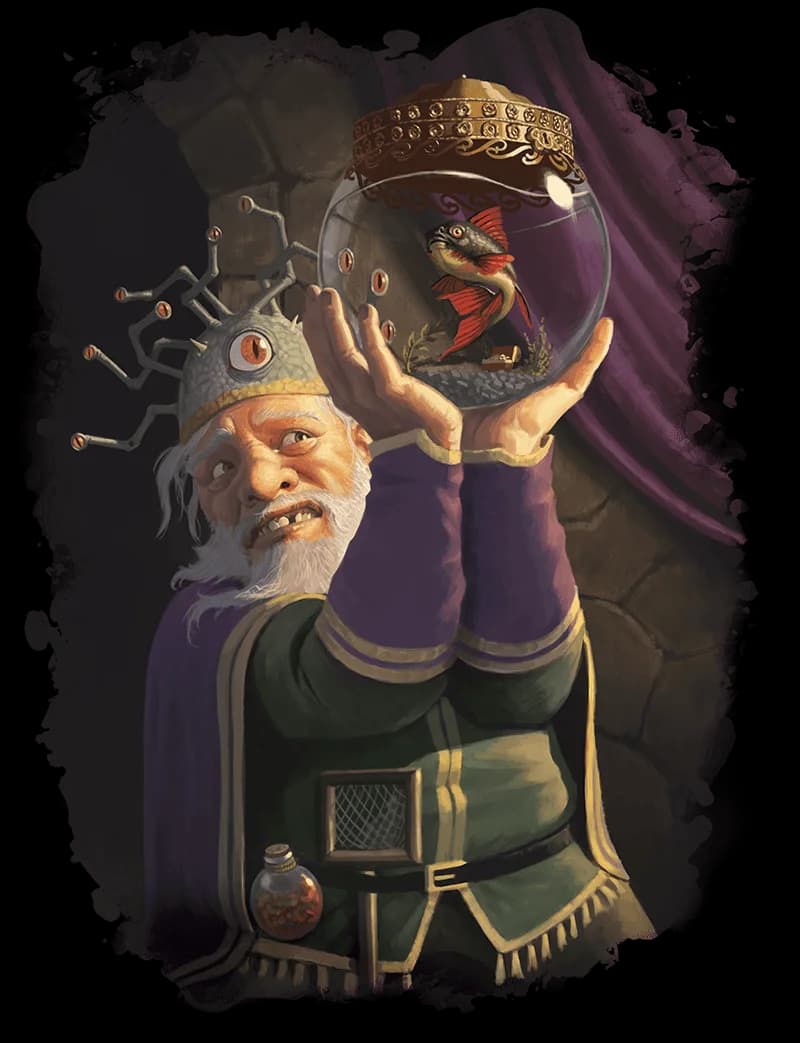
Criminal Syndicate Members
Whether you're a lifelong scoundrel or an ambitious upstart, you seek to gain wealth, fame, and influence within a criminal syndicate. A syndicate is motivated by profit, employing agents with all manner of talents. Nimbleness and novelty prove vital not just to exploiting untapped prospects but to avoiding the law. You embody rare experience and skill, positioned at the forefront of daring new criminal ventures.
The Criminal Syndicate Member Roles suggests positions you might fill in the organization and the backgrounds frequently associated with each role.
Criminal Syndicate Member Roles
| Role | Backgrounds |
|---|---|
| Burglar | Criminal, Folk Hero, Noble, Outlander, Urchin |
| Muscle | Criminal, Entertainer, Outlander, Sailor, Soldier |
| Con Artist | Acolyte, Charlatan, Criminal, Entertainer, Noble, Urchin |
| Cleaner | Acolyte, Charlatan, Guild Artisan, Noble, Soldier |
| Mastermind | Acolyte, Criminal, Folk Hero, Noble, Sage |
| Mole | backgrounds.html |
Criminal Syndicate Quests
Your work as a syndicate member involves more than simple street swindles or pickpocketing. Someone with your skills cooperates with others for greater purposes that offer both dangerous risks and splendid rewards. The law of the land is your most persistent enemy, but other criminal syndicates challenge you as well—or become your targets.
The Criminal Syndicate Quests table explores what kind of work you do for the organization.
Criminal Syndicate Quests
| d6 | Quest |
|---|---|
| 1 | Acquisition and Retrieval. You acquire assets for the syndicate. You steal important documents or clear out locations for use as hideouts. |
| 2 | Heists. You plan and execute elaborate robberies that require the combined skills of your team. |
| 3 | Gang Warfare. You ensure that no other crime syndicate gains a significant foothold in your territory. |
| 4 | Enforcement. You keep the corrupt, headstrong, and avaricious members of your syndicate in line with the goals and rules of the organization. |
| 5 | Assassination. You dispatch prominent people—the sort who have numerous bodyguards and elaborate security systems to circumvent. |
| 6 | Topple the Powerful. Your syndicate is criminal and your methods illegal, but your goals are righteous. You help people who are powerless against exploitation by the powerful. |
Guild
There's power in groups. One bee's a pest, but nobody messes with the swarm.— TashaYour group has ties to a powerful consortium of professionals who work together for mutual benefit. You might be long-time members of such a guild, descended from a family of crafters or merchants from which you inherited membership, or perhaps you're working to earn entrance on your own merits. If you serve the guild's interests well, it promises to take care of you. Guilds hate to waste valuable assets, after all—that's just bad business.
Types of Guild
The guild structure covers a swath of business ventures, differentiated by their specialty. A conglomerate of blacksmiths, jewelers, carpenters, tailors, alchemists, scribes, and sages all could organize as a guild. Whatever their trade, these experts share contacts, exchange resources such as materials or tools, and leverage their collective influence to affect politics for their benefit. Alternatively, merchants and other business owners might also organize into guilds. Merchant barons who effectively rule a city or nation through iron-clad control of the economy or a network of innkeepers who share news and supply routes could both represent guild patrons. A guild could even embody a more sinister group, such as one that deals in terrifying wares like deadly monsters, dangerous knowledge, or souls.
Roll or pick from the Guild Types table to determine the general sort of organization you operate within.
Guild Types
| d6 | Guild |
|---|---|
| 1 | Crafters' Guild. This conglomerate of artisans pools its resources and influence to ensure a steady exchange of gold for its crafts. |
| 2 | Merchant Consortium. These entrepreneurs don't create the wares they peddle, instead specializing in linking products to prospective owners. If they don't have it, they find it. |
| 3 | Miracle Makers' Association. The magically inclined crafters of this guild specialize in imbuing physical goods with magical effects. Rumor has it they can strip the magic from existing enchanted items and might be willing to buy or trade adventurers' spoils. |
| 4 | Moneychangers. These merchants deal in all forms of currency, acting as bankers, loan agents, and crucial contacts for adventurers and other individuals who deal with large sums of wealth. They exchange coin for gemstones as readily as they find buyers for historical relics and recovered art. |
| 5 | Philosophical Faction. These like-minded individuals follow specific teachings, spreading word of their expertise through their services and training. |
| 6 | Identity Traders. These enigmatic dealers buy and sell documents, memories, and the trappings of thoroughly lived lives, selling them to those in need of the ultimate fresh start. |
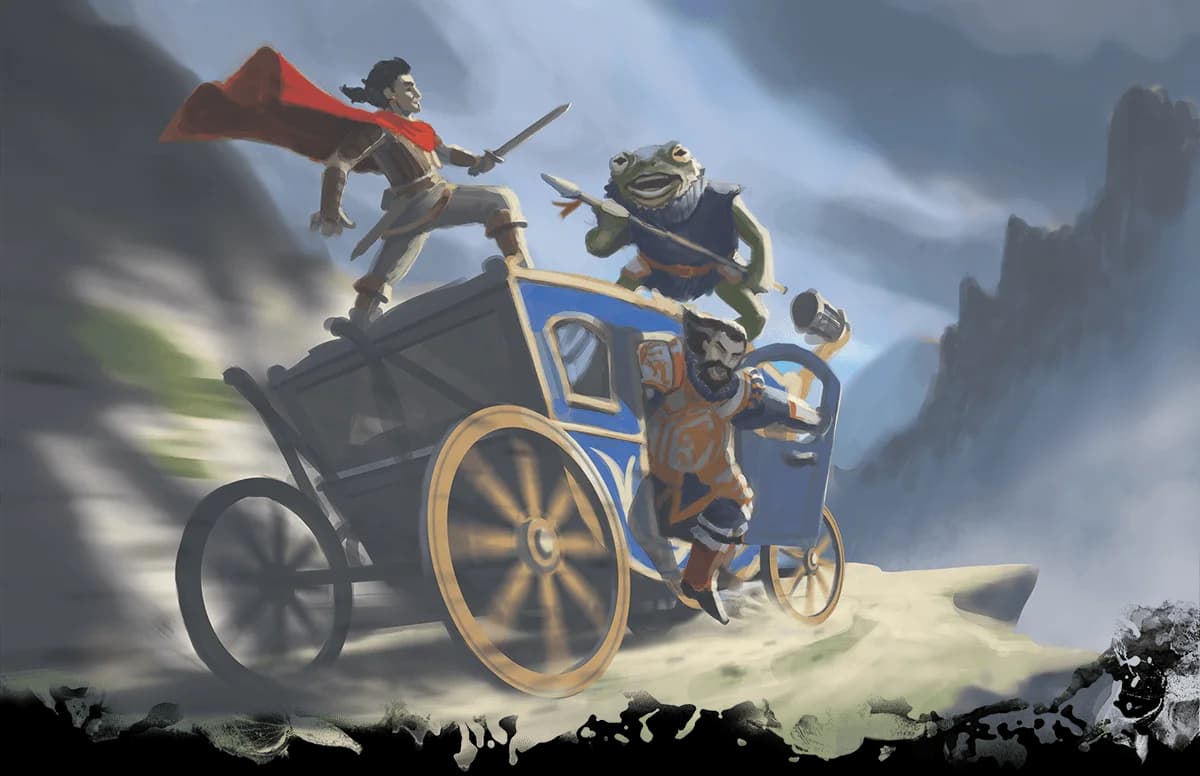
Guild Perks
With a guild as your group's patron, you gain the following perks. These perks require an annual contribution of 15 gp paid to the guild (replacing the 5 gp per month cost for characters with the Guild Artisan background). These dues fund the guild's services and activities.
Accommodations. You can stay at your organization's guildhall. The rooms are comparable to those in a comfortable inn, but at a modest price (5 sp per day).
Equipment. You can requisition the use of specialized tools, laboratories, libraries, or other crafting space and equipment to use within the guildhall. When you make an ability check with a set of artisan's tools using the guild's equipment, add double your normal proficiency bonus to the check.
Resources. You can leverage the guild's extensive contacts to locate exotic materials for crafting, spell components, or magic items, or buyers for them (a downtime activity in the Dungeon Master's Guide and Xanathar's Guide to Everything). You can locate or sell legal commodities using the guild's resources, and any prices tip in your favor by 10 percent.
Training. The guild retains knowledgeable tutors in subjects pertinent to its interests. When you undertake the training downtime activity (as described in the Player's Handbook and Xanathar's Guide to Everything), the training takes half as long if you are studying a subject the guild specializes in. The DM decides if the guild has tutors available for a given subject.
Guild Contact
Even as a member in good standing of the guild, you can't simply stroll up to the guild master and demand their attention. Your superiors within the guild manage work contracts, request the use of guild resources, and facilitate getting your group in contact with the right people to assist their interests.
Roll or pick from the Guild Contact table to determine your immediate contact within the guild.
Guild Contact
| d6 | Contact |
|---|---|
| 1 | The Perfectionist. Your contact is a skilled but obsessive creator consumed with the quest to create something perfect that will define their life's work and secure their legacy. They lose sight of right and wrong in pursuit of the finest materials and exciting opportunities. |
| 2 | Attentive Overseer. A guild representative takes personal interest in your group's tasks. They follow your exploits and know of your adventures before you return to report. Despite the unsettling depth of their knowledge, they seem genuinely eager to shepherd your work. |
| 3 | Hidden Benefactor. Whoever your contact is, they don't communicate directly. They send messages via couriers or letters. No one in the guild knows who the contact is, or if they do, they aren't telling you. Regardless, the contact's information is good, and they pay on time. |
| 4 | Discerning Mentor. No matter how well you perform, or how perfect your creations, nothing is ever good enough for this contact. They point out every flaw and missed opportunity. Are they bitter, lashing out at anyone around them, or do they recognize your potential and try to push you to greatness? |
| 5 | Golem Guide. Your guild contact is the soul of a long-dead artisan preserved in a construct body. This golem is wise and knowledgeable, but it has difficulty grasping the passage of time and the state of the world compared to its original era. |
| 6 | Fallen Muse. Your contact is a fallen celestial. Whether they regret their transgressions or hunger for vengeance, they provide divine inspiration and guidance to you and to the guild. Somehow your group and the guild inspire their hope for ascension. |
Guild Representatives
As a guild member, you might be a professional who works directly toward the guild's specialty or whose fortunes align with the guild's interests. Alternatively, you could provide the guild with services to which their members aren't suited. For example, guards, explorers, negotiators, and spies can be useful to a guild, whether its interests lie in trade goods, entertainment, or more questionable ventures. Whether a guild operates entirely within the law and how public its interests are also influences which of your skills it deems most valuable.
The Guild Representative Roles table suggests positions you might fill in a guild and the backgrounds frequently associated with each role.
Guild Representative Roles
| Role | Backgrounds |
|---|---|
| Researcher | Acolyte, Entertainer, Guild Artisan, Sage |
| Negotiator | Charlatan, Entertainer, Guild Artisan, Noble, Sailor |
| Saboteur | Charlatan, Criminal, Guild Artisan, Soldier, Urchin |
| Guard | Criminal, Folk Hero, Outlander, Sailor, Soldier |
| Explorer | Acolyte, Folk Hero, Guild Artisan, Outlander, Sailor |
| Expert | backgrounds.html |
Guild Quests
As a member of the guild, you're called on to ply your skills in the organization's service. You are required to undertake various tasks, either for the guild's benefit or on behalf of an influential client. Competition is fierce in the business world, and the challenges presented by rivals or circumstances can pressure you into dealings you find distasteful.
The Guild Quests table presents a few options for the sorts of work the guild requires of you.
Guild Quests
| d6 | Quest |
|---|---|
| 1 | Deliver Goods. You need to deliver an order to an important customer or partner of the guild. The delivery must arrive by a critical deadline—regardless of who or what tries to stop you. |
| 2 | Acquire Materials. Your guild requires materials that are rare and difficult to procure, either for a guild project or for a paying client. Your group must gather the missing components from a dangerous location or a recalcitrant owner while outpacing a rival to the prize. |
| 3 | Eliminate a Rival. A competitor has humiliated the guild one too many times, and it's time for that to stop. Your group is charged with assuring the rival never darkens the guild's reputation again. Can you trick them into permanent disgrace, or must you resort to more direct methods? |
| 4 | The Masterpiece. An exquisite work of art for an influential client, either created by your guild or acquired through agents, has gone missing. You must track down its whereabouts and secure it before time runs out and the guild suffers a penalty. |
| 5 | The Collector. Your guild is tasked to create or acquire something wondrous for a wealthy but secretive client's collection. Guild members who previously failed to fulfill this assignment ended up missing. The collector promises to return your comrades if you provide what the collector seeks, but if you fail, you'll become part of the collection. |
| 6 | The Bill Comes Due. Your guild master achieved their vaunted position by means of an otherworldly bargain. That price has come due, and they are desperate to avoid paying. You must defeat whatever's coming to collect the master's debt or find another acceptable payment. |
Military Force
The whole machine of war is barbaric. In a sane world, conflicts would be resolved by contests of apocalyptic magics or by continent-reshaping brawls between titanic, soul-fueled reptiles. You know, reasonable options.— TashaYour group serves as a team of soldiers in a larger military force, one dedicated to combat missions or other dangerous tasks. You could be a band of mercenaries, a special forces unit, or a squad of regular infantry. Perhaps you protect a nation's people from monsters, or you fight secret battles in the wake of a war that has supposedly ended. Or the nation requires military forces at the edges of civilization to protect the frontier and to lead advancement into new territory.
Types of Military Forces
Military forces represent a variety of organized bands of warriors. They can be the disciplined regiments of a nation's standing army, a fleet of ships comprising a kingdom's armada, or a devastating horde of warriors and magical beasts. A given kingdom's military could be a rigidly ordered force or a blood-soaked throng.
Roll or pick from the Military Force Types table to determine the general type of military patron you serve.
Military Force Types
| d6 | Military Organization |
|---|---|
| 1 | Standing Army. A standing army serves as the highly disciplined and structured guardian of a province or an entire nation. Strict tiers of command ensure coordination between branches of the force. |
| 2 | Mercenary Company. Hard-bitten veterans of numerous conflicts, mercenaries serve an employer for coin rather than out of loyalty. |
| 3 | Expeditionary Force. This military force is far from home, fighting behind enemy lines or striking into wild, unsettled lands. The force must be fast, self-sufficient, and either diplomatic or decisive to assure their survival. |
| 4 | Horde. The horde is almost a force of nature, and what it lacks in discipline it makes up in ferocity. It doesn't have a rigid command structure, instead functioning like a pyramid of smaller armies. Horde commanders owe fealty to stronger leaders above them, all the way up to the warlord. |
| 5 | Planar Conscripts. This military force battles for cosmic stakes on far-flung planes of the multiverse or fights against extraplanar invasion on the Material Plane. Warriors include conscripts pressed into service in the Blood War, fodder in the thrall of ruthless yugoloth mercenaries, or members of a glorious celestial host defending against fiendish incursion. |
| 6 | Sky Warriors. This military force consists of winged creatures, employs magical flight, or sails airships as a sky navy. Traditional defenses are ineffective against attacks from the air, positioning the sky warriors as a fearsome nation or expensive and coveted mercenaries. |
Military Force Perks
With a military force as your group's patron, you gain the following perks.
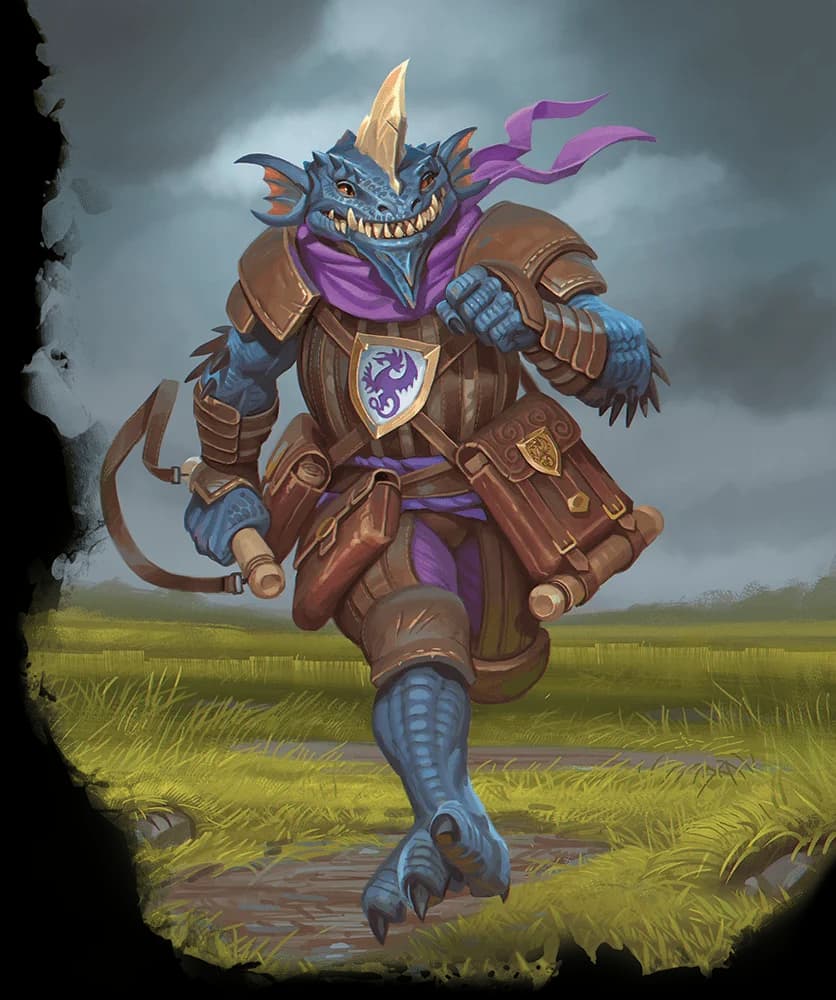
Armory. You can purchase nonmagical weapons and armor at a 20 percent discount at a facility associated with your military force. You can buy magic items at the DM's discretion, but you receive no discount.
Chain of Command. You are part of a hierarchy that provides you with orders. If you cause trouble in your own nation, you answer to your officers, not local law enforcement.
Official Access. Your rank in the military force grants you access to places that are off limits to civilians. With your commander's permission, you can enter dangerous training grounds or military installations, like an army's regional headquarters or a repository of top-secret intelligence. You can also request that your commander grant you authority to act in their name or provide access to experts or leaders higher in the chain of command.
Orders. You undertake your missions at the direction of a commanding officer, who expects your absolute obedience. These missions have clear and precise goals, leading you on the path of adventure. In rare cases, you're trusted with open-ended tasks that afford you leeway in interpreting orders.
Salary. Each member of your group earns a regular salary or share of the military force's spoils. The amount varies depending on your organization and your position within it, but at minimum you enjoy a modest lifestyle. You receive a small salary (as little as 1 sp per day) and food and housing on a military base. Or you receive 1 gp per day but rely on that money for room and board. With higher rank comes higher pay. As an officer, you maintain a comfortable lifestyle.
Military Force Contact
Your primary contact within your hierarchy is your superior officer, the person who gives you orders and is responsible for your success or failure.
Roll or pick from the Military Force Contact table to determine who assigns you missions.
Commanding Officer
| d6 | Officer |
|---|---|
| 1 | Tested Veteran. Your commander is a battle-scarred officer who experienced horrors in combat. They rely on something to dull the pain of their memories or wounds, from a favorite writer's prose to a distracting vice. |
| 2 | Taskmaster. This angry officer yells every order, reprimands you for the smallest mistake, and fully expects you to fail at every mission you undertake. This might be tough love or simple brutishness. |
| 3 | Protective Officer. A kindly officer is hesitant to send you into danger and constantly reminds you to be careful. |
| 4 | Bitter Soldier. Your commander carries deep grudges against your force's enemies. They leap at any chance to do those foes harm, even if it puts your group in terrible risk. |
| 5 | Hopeful Commander. This optimistic officer knows that a new era of peace is just over the horizon. You just need to complete these last few missions, then it should all finally be over. |
| 6 | Devout Leader. Your commander is a person of deep faith. They believe that your success or failure lies entirely in divine hands and you are the instruments of that will. |
Military Force Envoys
You might join a military force for a wide range of reasons, or the military has reasons for seeking you out. Those with specialized skills contribute to a range of missions, from infiltration and mystical operations to diplomacy and strategy. Perhaps your past deeds or the will of your family pushes you toward military service, regardless of whether you believe you're suited to such a life.
The Military Force Envoy Roles table suggests a variety of military roles you could fill and the backgrounds frequently associated with each role.
Military Force Envoy Roles
| Role | Backgrounds |
|---|---|
| Combatant | Criminal, Folk Hero, Outlander, Sailor, Soldier |
| Tactician | Acolyte, Folk Hero, Noble, Outlander, Sage, Soldier |
| Medic | Acolyte, Folk Hero, Hermit, Sage, Soldier |
| Scout | Hermit, Outlander, Sailor, Soldier, Urchin |
| Provocateur | Acolyte, Charlatan, Criminal, Entertainer, Noble |
| Spy | backgrounds.html |
Military Quests
The wide-ranging work of a military unit calls for both power and subtlety. Your missions could run the risk of shattering a fragile peace recently established with a rival nation and plunging multiple nations back into war. Or perhaps your group's missions pit you against rival combatants during an active engagement, as you influence the war effort. Rival mercenary companies, armed resistance fighters, and monsters drawn to the presence of bloodshed also present familiar threats.
The Military Quests table provides possible missions you're tasked to accomplish.
Military Quests
| d6 | Quest |
|---|---|
| 1 | Strike Force. You undertake a quick, strategic, and devastating attack against an enemy force. |
| 2 | Defensive Operations. You must preserve the safety of an important location such as a civilian population center, a supply depot, or strategically critical bridge or seaport. |
| 3 | Special Forces. You are assigned to a covert operation behind enemy lines. This is similar to the work of a spy or an assassin but with a broader scope. You engage in equipment sabotage or execute targeted strikes against high-value targets. |
| 4 | Reconnaissance. You gather information on enemy troop numbers, placements, movement, or supply caches and routes. |
| 5 | Seek and Destroy. You are responsible for hunting down specific high-value and dangerous targets, which include deserters, suspected enemy special forces, or magical war machines run amok. |
| 6 | Siege. You are assigned to initiate a siege on an enemy stronghold or help break a siege in progress on an allied fortress. |
Religious Order
Sure, serve that religious order, and soon you'll be doing a thousand loads of your high priest's laundry, because—conveniently—it's divine will.— TashaYour group acts in the service of a religious institution. The patronage of a religious order isn't simply a matter of each member of your party belonging to the same faith, though. The faith's administration—with its own resources, goals, and leaders—directly sponsors and guides your adventures.
Types of Religious Orders
Not every religious order represents an alliance of worshipers devoted to godly ideals. Perhaps your group is a team of devotees pursuing a cause for your faith, or maybe you're a bunch of cynics taking advantage of a wealthy congregation. Your collective faith could compel you to hunt evil monsters or stave off otherworldly invasions, to protect the powerless from oppression, or to spread the teachings of your religion in a hostile land. Or perhaps you serve a corrupt hierarchy by making its enemies quietly disappear—though even cynical mercenaries can become true believers when confronted with the miraculous.
Roll or pick from the Religious Order Types table to determine the type of religious patron you serve.
Religious Order Types
| d6 | Religious Order |
|---|---|
| 1 | Undead Hunters. This community of scholars and monster hunters laboriously researches the unquiet dead, tracking them to their lairs and permanently laying them to rest. |
| 2 | Devout Scholars. This federation prizes knowledge and texts pertaining to their god. They collect rare holy books and record the life stories of miracle-working prophets. |
| 3 | Relic Collectors. This order of archaeologist-monks seeks to fill their museum-like temple with storied holy relics. |
| 4 | Charitable Missionaries. Adhering to the belief that religion empowers civilization, this order travels far to help the downtrodden, seeking to draw new believers by their virtuous example. |
| 5 | Militant Inquisitors. This dogmatically rigid hierarchy seeks to stamp out all threats to their beliefs. |
| 6 | Doomsaying Evangelists. This order believes the world is about to end. They're convinced that if they persuade everyone else of this fact they might stave off the impending doom. |
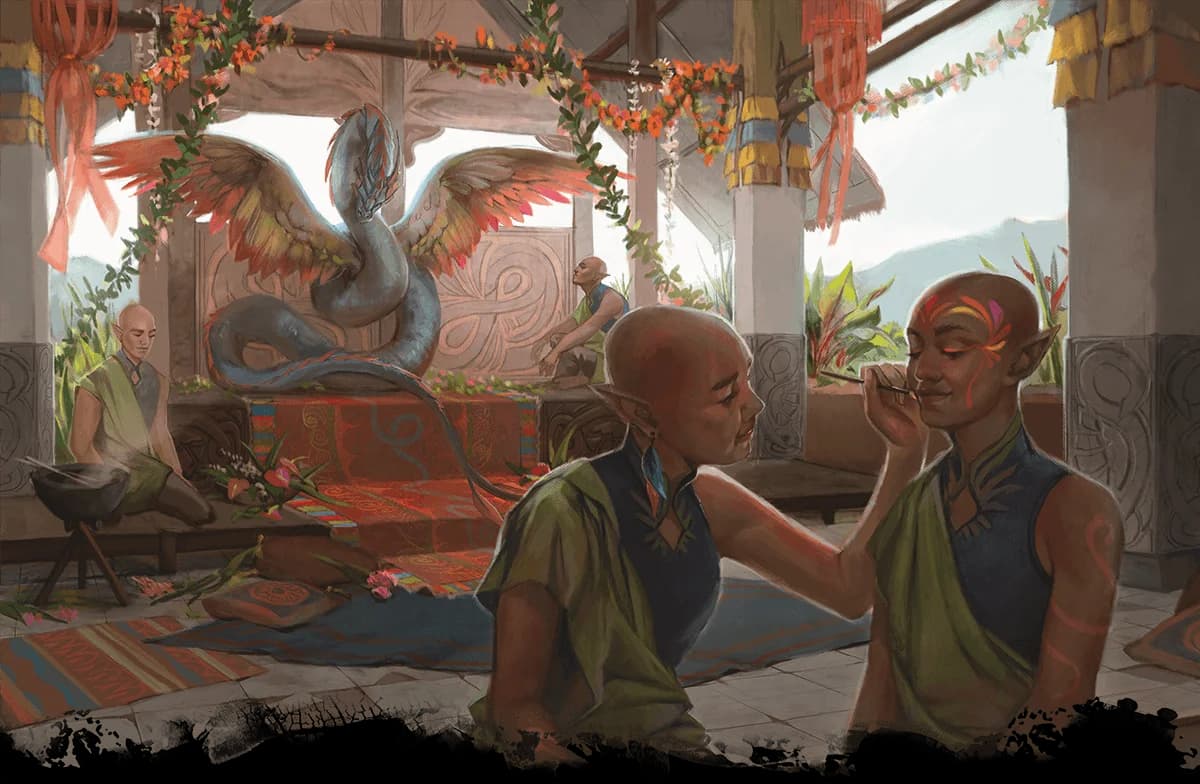
Religious Order Perks
With a religious order as your group's patron, you gain the following perks.
Divine Service. In times of need, your group can appeal to the priests of your faith for magical aid. An NPC cleric or druid of your faith who is of sufficiently high level casts any spell of up to 5th level on your group's behalf, without charge. The caster provides any costly material components needed for the spell, as long as you demonstrate your need and are in good standing with the faith.
Equipment. Each member of your party has a holy symbol or druidic focus, even if it isn't needed for spellcasting. Each of you also has a book containing prayers, rites, and scriptures of your faith.
Proficiencies. Each member of your party gains proficiency in the Religion skill, if the character doesn't already have it.
Religious Order Contact
Your established order enjoys a robust following. It might be a cloister of priestly scholars who use your group as the adventuring arm of the organization, or perhaps a legion of paladins who call on your group's finesse where swords and shields fail. You might receive orders directly from the immortal entity you worship or through an earthly agent, such as a high priest or an archdruid.
Roll or pick from the Religious Order Contact table to determine who relays messages to and from your order's deity.
Religious Order Contact
| d6 | Contact |
|---|---|
| 1 | Shadow Tongue. A mysterious speaker for your order advises your next steps but fears being discovered by a powerful rival faith. |
| 2 | Inspired Creator. A gifted artisan conveys the will of the divine through prophetic song or artwork. |
| 3 | Mysterious Text. The gradual translation of a secret holy text points you toward the next step of a divine destiny. |
| 4 | Fierce Inquisitor. A severe hierarch directs you to cleanse wickedness from a region, from the order, or from within yourself. |
| 5 | Beloved Healer. A famed healer guides you to where you'll be needed most, even if their reasons are unclear until you arrive. |
| 6 | Divinity's Voice. Otherworldly messages direct you to undertake divine quests. |
Religious Order Member
Your primary duty to a religious order is to further your god's reach. That obligation ranges from proselytizing or performing religious services to meting out divine punishments or recovering lost relics. Beyond that, the needs of your order vary widely. Your patron relies on your group due to your particular skills or, perhaps, because it's divine whim.
The Religious Order Member Roles table suggests positions you might fill in an order and the backgrounds frequently associated with each role.
Religious Order Member Roles
| Role | Backgrounds |
|---|---|
| Councilor | Acolyte, Folk Hero, Hermit, Sage, Urchin |
| Defender | Acolyte, Criminal, Folk Hero, Outlander, Soldier |
| Ascetic | Acolyte, Entertainer, Hermit, Sage, Soldier |
| Inquisitor | Acolyte, Criminal, Noble, Sailor, Soldier |
| Emissary | Acolyte, Charlatan, Entertainer, Noble, Sailor |
| Chosen One | backgrounds.html |
Religious Order Quests
The services you provide your religious order vary depending on the deity you serve and your party's aptitudes. Regardless, religious orders are opposed by antagonistic faiths, foes whose rivalry with your order emulates the conflict between your respective gods. Some religious orders also hunt and destroy fiends, undead, or other beings they consider abominations, seeking to rid the word of their influence. Others root out heretics, real or imagined, to demonstrate the primacy of their deity.
The Religious Order Quests table presents a few examples of how you can honor and serve your deity.
Religious Order Quests
| d6 | Quest |
|---|---|
| 1 | Safe Escape. A band of the faithful wandered into territory hostile to your order. You must find them and escort them to safety. |
| 2 | Relic Recovery. You seek a lost symbol of the order discovered in a dangerous place or in the hands of an enemy. |
| 3 | Cult Hunt. You hunt a cell of zealots dangerous to your order or mortals at large. |
| 4 | Desperate Pilgrimage. You protect members of the order as they participate in a pilgrimage that takes them through dangerous lands. |
| 5 | Expunge Heresy. You seek out the source of blasphemy that's taken root within the order. |
| 6 | Prevent Prophecy. A rival order stands on the cusp of fulfilling a prophecy with deadly ramifications. You strive to undermine their blasphemous agenda. |
Sovereign
I never had much interest in ruling, partly because the titles all sound so stuffy. But "witch queen" has a lovely ring to it, don't you think?— TashaA leader without allies is not long a leader. You serve a sovereign—a national figure or otherwise—and work to achieve their goals no matter the cost.
As agents of a sovereign, you serve as diplomats or enforcers, spies or fixers, bringers of aid or executors of justice. You work within the system to uphold the status quo or step beyond the law to prevent war and worse. Politics, espionage, and mystery are facts of your world, as is hope and the fragile promise of peace.
Types of Sovereigns
Broadly defined, a sovereign ranges from the head of a government to the leader of a powerful, private institution. Queens, chieftains, sultans, and rajahs are ready choices for powerful individuals who patronize a party of adventurers. Those on track to become such individuals—such as cunning senators, royal heirs, or influential celebrities—also fill a sovereign's role. When choosing or creating a sovereign to serve, consider whether that leader commands a government organization or another faction. While this section assumes your patron is the head of a country or other national body, they could oversee a powerful private division, a cult of personality, or an elaborate expedition. Also, consider the scale of your patron's organization. While serving as spies engaging in international intrigues could lead to world-changing escapades, being fixers for the mayor of a struggling town offers a personal connection to a place and its people.
Roll or pick from the Sovereign Types table to determine what sort of liege you serve.
Sovereign Types
| d6 | Sovereign |
|---|---|
| 1 | Village Elder. The wizened leader of a community offers both civic and moral leadership. |
| 2 | Young Noble. An ambitious noble eagerly seeks to reform society to align with a personal vision. |
| 3 | Shipwrecked Governor. A desperate leader struggles to keep people alive in a wilderness they're not prepared to endure. |
| 4 | Ruler Returned. A tribe's revered leader has returned from the dead and seeks to resurrect their past glories. |
| 5 | Hidden Power. A mysterious figure manipulates the nation's puppet leader and guides the government's true agenda. |
| 6 | True Regent. The rightful heir to the throne struggles to reclaim power from a perfect impostor. |
Sovereign Perks

With the sovereign as your group's patron, you gain the following perks.
Elite Access. While in service to the sovereign, you have access to the highest echelons of society. With your patron's permission, you can gain access to the halls of power, from national capitols and military headquarters to noble estates and troves of state secrets. You can also request that the sovereign grant you access to perks of their position, like access to diplomatic receptions or use of the royal guards.
Expenses. Your patron reimburses you for extraordinary expenses incurred as part of your work. You are required to account for your expenses and must explain any extraordinary expenditures, but routine travel, ordinary equipment, and basic services don't draw a second glance.
Immunity. As long as you remain in the sovereign's good graces, you are nearly immune to prosecution under the laws within their sphere of influence. When you are carrying out your orders, you have a great deal of leeway in how you choose to go about that, and the law isn't an obstacle. Committing serious crimes—especially if they are unrelated or unnecessary for the assigned work—is a sure way to fall out of your patron's good graces, however.
Salary. Your employment under a sovereign patron brings an income of 1 gp per day, or enough to maintain a modest lifestyle. At the DM's discretion, your salary increases or decreases depending on the sovereign's nature, the type of work you perform, and the length of your employment.
Sovereign Contact
You might benefit from direct contact with your group patron. This includes audiences or secret meetings with the sovereign, depending on the nature of your work. Alternatively, the sovereign might purposefully want to keep their distance from you, either due to their busy schedules or to maintain plausible deniability regarding your work. In such cases, an advisor or functionary oversees your assignments, serving as the primary contact between you and the sovereign.
Roll or pick from the Sovereign Contact table to determine who manages the relationship between you and the throne, if not the sovereign directly.
Sovereign Contact
| d6 | Contact |
|---|---|
| 1 | Intimate Confidant. The sovereign's friend or lover seeks to aid their companion in any way possible. |
| 2 | Spymaster. An intelligence operative attends to the nation's dirty work so the sovereign keeps their hands clean. |
| 3 | Administrator. This severe bureaucrat disagrees with many of the sovereign's policies but takes loyal service seriously. |
| 4 | Executive Assistant. The responsibilities of an exacting butler or other servant at the royal household far exceed their title. |
| 5 | Envoy. A semi-retired, leisure-loving ambassador speaks in suggestion and innuendo. |
| 6 | Spectral Assembly. A ghostly council of the nation's previous regents manifests to avert disasters. |
Sovereign Proxies
You serve a sovereign out of national pride, out of tradition, or for your own practical reasons. The needs of a leader potentially embroil you directly in political intrigues, court maneuverings, or threats from national foes. It's up to you and the sovereign to determine whether your work is publicly acknowledged or top secret—and if the latter, what happens if your work is exposed.
The Sovereign Proxy Roles table suggests ways you might serve a sovereign and the backgrounds frequently associated with each role.
Sovereign Proxy Roles
| Role | Backgrounds |
|---|---|
| Advisor | Acolyte, Folk Hero, Noble, Sage, Soldier |
| Ambassador | Charlatan, Folk Hero, Guild Artisan, Noble, Sailor |
| Secret Agent | Charlatan, Criminal, Entertainer, Soldier, Urchin |
| Champion | Criminal, Noble, Outlander, Soldier, Urchin |
| Jester | Charlatan, Criminal, Entertainer, Outlander, Urchin |
| Confidant | backgrounds.html |
Sovereign Quests
The services you provide a sovereign largely depend on the nature of your group patron and their nation. While some of your missions involve official tasks—missions undertaken in the sovereign's name—others might be covert, making your patron's identity a highly guarded secret. Political rivals, enemy countries, and natural disasters all pose dangers to the sovereign's nation. Yet a sovereign who sows chaos, enacts tyrannical decrees, or jeopardizes a population's way of life is likely to inspire rebellions. In such cases, a sovereign's agents must decide where their loyalties lie.
The Sovereign Quests table presents a few of the sorts of missions you undertake for your liege.
Sovereign Quests
| d6 | Quest |
|---|---|
| 1 | International Espionage. You attempt to steal intelligence, national symbols, or super weapons from an enemy power. |
| 2 | Undermine Rival. You seek to weaken or remove a rival to the regent's rule—perhaps a general, an archdruid, or a noble with a claim to the throne. |
| 3 | Expel Corruption. You help the sovereign reform their government, rooting out institutional vices. |
| 4 | Subvert Blame. The sovereign is caught in an embarrassing affair. Make it disappear. |
| 5 | Test Heir. You prepare the sovereign's heir for the challenge of taking the throne. |
| 6 | Desperate Diplomacy. You seek to make peace with a force or entity that could wipe out your nation. |
Being Your Own Patron
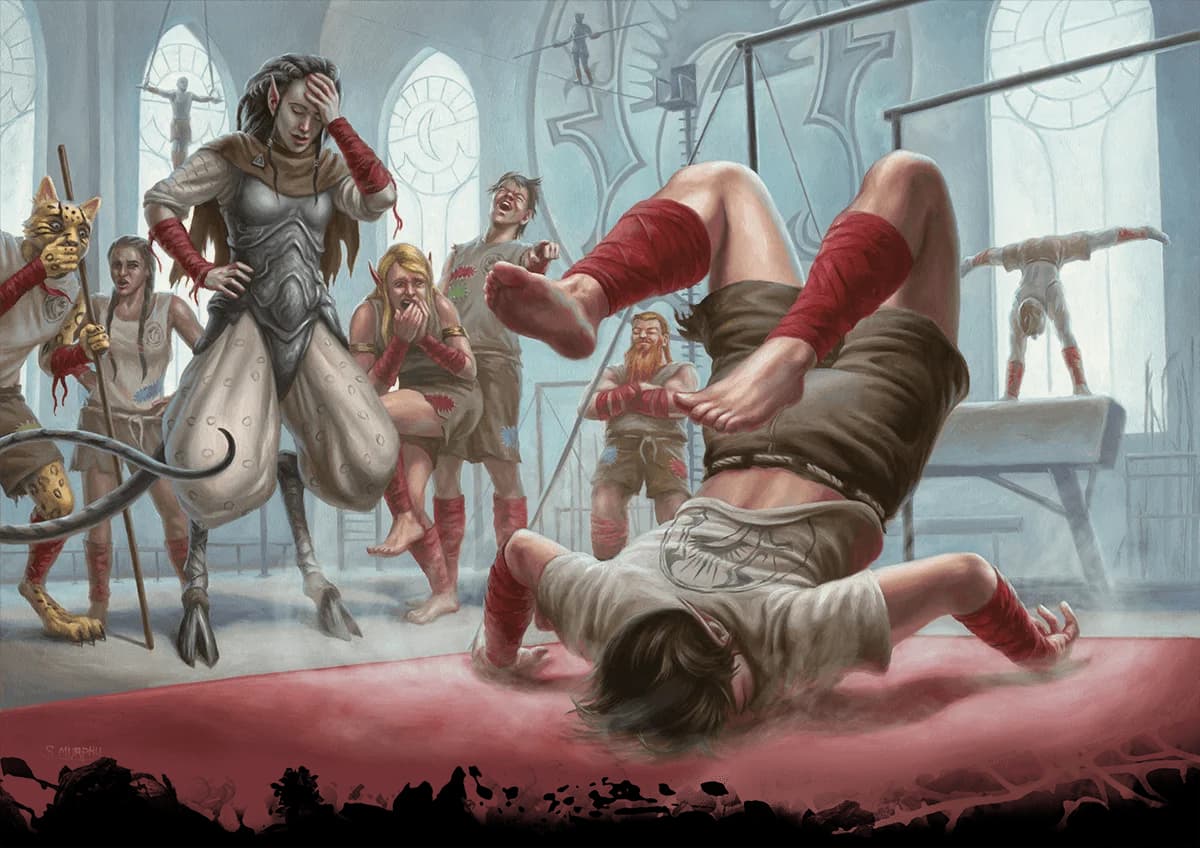
For some players, the idea of running a crime syndicate, mercenary company, arcane scholars' collective, or other organization is far more exciting than working for someone else. Founding your own organization offers a greater degree of autonomy, though potentially at the cost of support and reliable work.
When you're the boss, the perks of belonging to an organization become expenses you have to worry about; when you run your own mercenary company, for example, you need to stock your own armory, rather than drawing on an existing organization's stockpile. The organization brings in income, but you'll have to spend it to keep the organization running.
When you run your own organization, use the Running a Business downtime activity (described in the Dungeon Master's Guide) to reflect your organization's ongoing activities. More than one character can take part in this activity at a time. When rolling to determine the business's performance, add the total days spent by the characters to the roll to determine the business's success (still observing the maximum of 30). If the business earns a profit, multiply that profit by 4 + the number of characters who took part in this downtime activity.
Don't discount the value of adopting an NPC to serve as your contact within your own organization. A secretary, majordomo, or apprentice keeps up with your group's bureaucracy while you're conducting missions and passes along information that could lead to your next adventure!
Magical Miscellany
Magic is everywhere in D&D. Many creatures in the D&D multiverse exist solely because of the influence of magic, spellcasters harness magical energy every day in the form of spells, and supernatural power thrums at the heart of the magic items sought by adventurers. This chapter is all about those last two things—spells and magic items.
The chapter first presents new spells for player characters and monsters to use. Those spells are followed by suggestions on customizing the look of your spells. The chapter then offers a selection of new magic items, including artifacts of mythic power and magic items that can be printed on one's body in the form of tattoos.
The DM decides how the options in this chapter appear in a campaign and may choose to use some, all, or none of them, so make sure to let your DM know which options you'd most like to use in play.
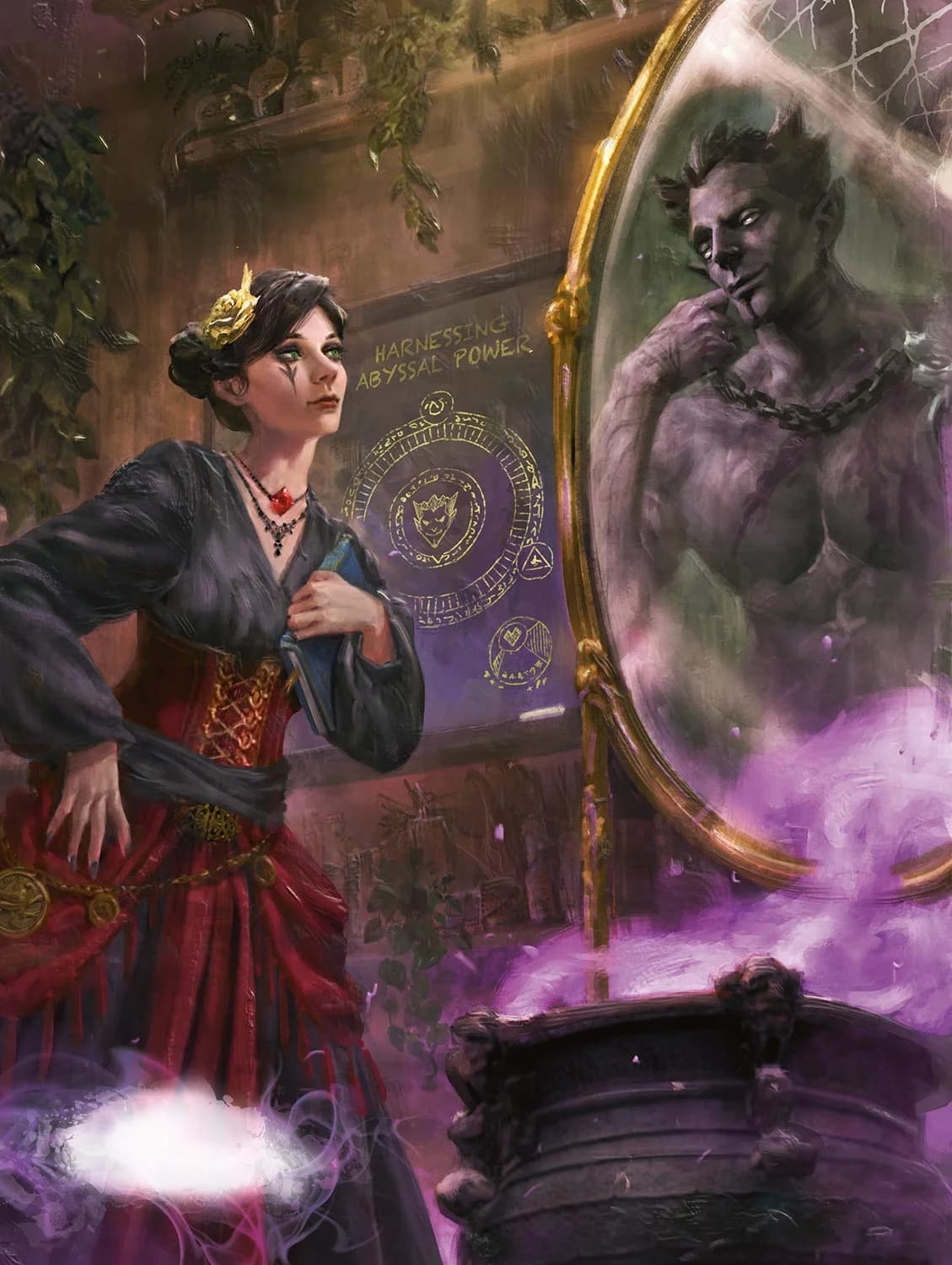
Spells
Well, darn. Whatever could have happened to the spells Mordenkainen's Bountiful Back-Patting, Heward's Hot Air, and all the rest? I'm sure I submitted the spells they insisted I include herein. Seems they got lost in the shuffle. Shame.— TashaThis section contains new spells that the DM may add to a campaign, making them available to player character and monster spellcasters alike. The Spells table lists the new spells, ordering them by level. The table also notes the school of magic of a spell, whether it requires concentration, whether it bears the ritual tag, and which classes have access to it.
If you'd like to use any of these spells, talk to your DM, who may allow some, all, or none of them.
| Level | Spell | School | Conc. | Ritual | Class |
|---|---|---|---|---|---|
| 0 | Booming Blade | Evocation | No | No | Artificer, Sorcerer, Warlock, Wizard |
| 0 | Green-Flame Blade | Evocation | No | No | Artificer, Sorcerer, Warlock, Wizard |
| 0 | Lightning Lure | Evocation | No | No | Artificer, Sorcerer, Warlock, Wizard |
| 0 | Mind Sliver | Enchantment | No | No | Sorcerer, Warlock, Wizard |
| 0 | Sword Burst | Conjuration | No | No | Artificer, Sorcerer, Warlock, Wizard |
| 1st | Tasha's Caustic Brew | Evocation | Yes | No | Artificer, Sorcerer, Wizard |
| 2nd | Summon Beast | Conjuration | Yes | No | Druid, Ranger |
| 2nd | Tasha's Mind Whip | Enchantment | No | No | Sorcerer, Wizard |
| 3rd | Intellect Fortress | Abjuration | Yes | No | Artificer, Bard, Sorcerer, Warlock, Wizard |
| 3rd | Spirit Shroud | Necromancy | Yes | No | Cleric, Paladin, Warlock, Wizard |
| 3rd | Summon Fey | Conjuration | Yes | No | Druid, Ranger, Warlock, Wizard |
| 3rd | Summon Shadowspawn | Conjuration | Yes | No | Warlock, Wizard |
| 3rd | Summon Undead | Necromancy | Yes | No | Warlock, Wizard |
| 4th | Summon Aberration | Conjuration | Yes | No | Warlock, Wizard |
| 4th | Summon Construct | Conjuration | Yes | No | Artificer, Wizard |
| 4th | Summon Elemental | Conjuration | Yes | No | Druid, Ranger, Wizard |
| 5th | Summon Celestial | Conjuration | Yes | No | Cleric, Paladin |
| 6th | Summon Fiend | Conjuration | Yes | No | Warlock, Wizard |
| 6th | Tasha's Otherworldly Guise | Transmutation | Yes | No | Sorcerer, Warlock, Wizard |
| 7th | Dream of the Blue Veil | Conjuration | No | No | Bard, Sorcerer, Warlock, Wizard |
| 9th | Blade of Disaster | Conjuration | Yes | No | Sorcerer, Warlock, Wizard |
Personalizing Spells
When I first learned magic from Baba Yaga, I couldn't help but add spectral chicken legs to all my spells. She said she wasn't a fan, but I caught her grinning a few times. So of course I still add those legs. What use is magic if you can't harness it to amuse your mom?— TashaJust as every performer lends their art a personal flair and every warrior asserts their fighting styles through the lens of their own training, so too can a spellcaster use magic to express their individuality. Regardless of what type of spellcaster you're playing, you can customize the cosmetic effects of your character's spells. Perhaps you wish the effects of your caster's spells to appear in their favorite color, to suggest the training they received from a celestial mentor, or to exhibit their connection to a season of the year. The possibilities for how you might cosmetically customize your character's spells are endless. However, such alterations can't change the effects of a spell. They also can't make one spell seem like another—you can't, for example, make a magic missile look like a fireball.
When customizing your spellcaster's magic, consider developing a theme—often, the broader and more versatile the better. You may describe your caster's magic whenever you wish, particularly when it makes an interesting addition to a story. You may also use it to reinforce other choices you've made for your character, like making a bard's spells tied more closely to their favored art form or a cleric's spells themed around their deity.
For example, the fireball of a wizard with a fondness for storms might erupt to look like burning clouds or a burst of red lightning (without affecting the spell's damage type), while the same wizard's haste spell might limn the target in faint thunderheads.
Alternatively, a cleric who serves a moon god might radiate faint moonlight around their hands when they cast cure wounds, or their shield of faith might surround the target with glimmering crescent moons.
Further still, a druid could choose a cherry blossom theme for their magic, causing delicate branches and pink leaves to grow when they cast entangle or shillelagh, and their faerie fire spell could appear more like wind-tossed petals than flames.
The Magic Themes table offers just a few suggestions that might inspire you while personalizing your character's spells.
Magic Themes
| d10 | Theme |
|---|---|
| 1 | Book pages, origami, quills, and ink, all accompanied by rustling sounds and library scents |
| 2 | Brine-scented shapes of sharks, jellyfish, octopi, and other sea creatures |
| 3 | Food or utensils that carry the scent of cuisine from the spellcaster's homeland |
| 4 | Rich, copper scents accompanied by what appears to be the caster's own imbalanced humors |
| 5 | Bursts and strokes of watercolor painted by an invisible brush |
| 6 | Transparent weapons, armor, miniature war machines, and phantom soldiers |
| 7 | Golden rays that carry faint warmth and the hint of windblown sand |
| 8 | Rowdy barnyard animals accompanied by the warm scents of coops and stables |
| 9 | Manifestations of deep emotions, like the faint shackles of melancholy, sepia shades of nostalgia, or heart-shaped bursts of affection |
| 10 | Tiny whimsical or fearsome beings from the spellcaster's inescapable, recurring dreams |
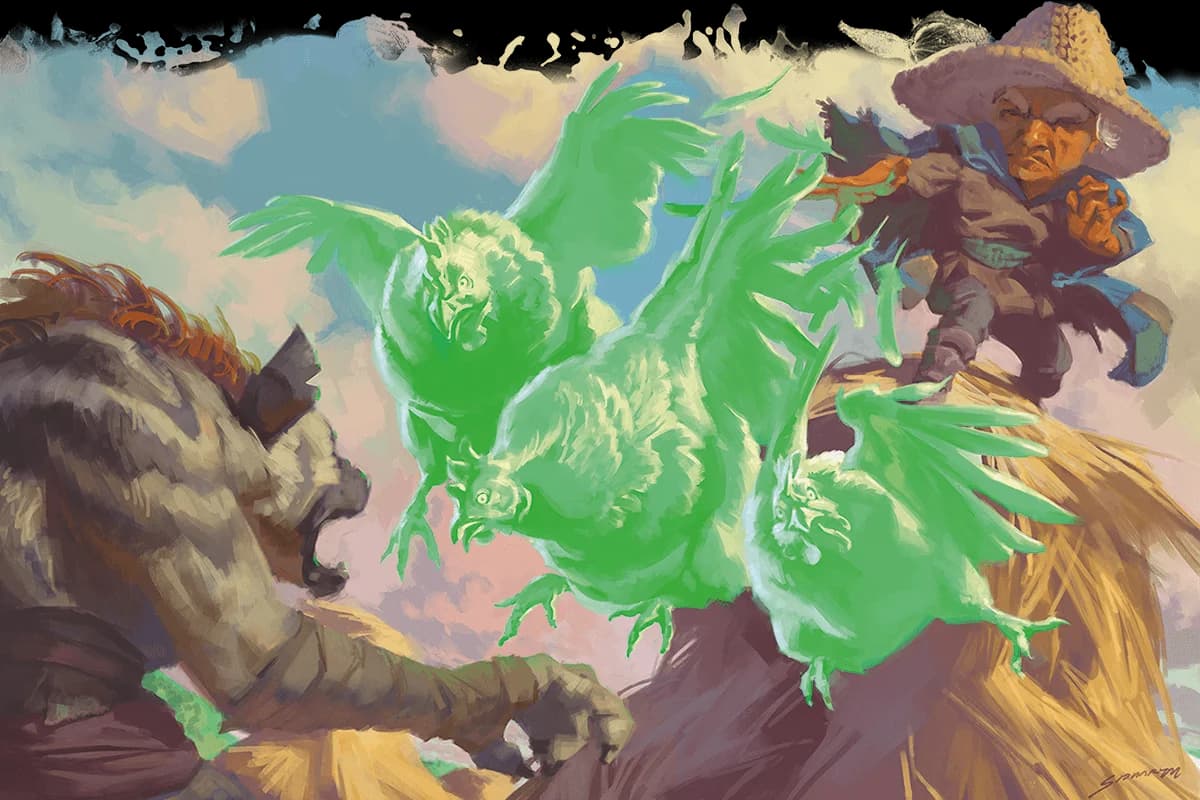
Magic Items
This section presents magic items that can be introduced into any campaign. Here you'll find items of all rarities, including artifacts. Magic spellcasting focuses for every spellcasting class are also available here. And some of the items in this section represent a new type of wondrous item: magic tattoos.
The Magic Items table lists all the magic items in this chapter and notes the rarity of each one. The table also indicates whether an item requires attunement. All the items use the magic items rules in the Dungeon Master's Guide.
Magic Items
| Rarity | Item | Attunement |
|---|---|---|
| Common | Illuminator's Tattoo | Yes |
| Common | Masquerade Tattoo | Yes |
| Common | Prosthetic Limb | No |
| Common+ | Spellwrought Tattoo | No |
| Uncommon+ | All-Purpose Tool | Yes |
| Uncommon+ | Amulet of the Devout | Yes |
| Uncommon+ | Arcane Grimoire | Yes |
| Uncommon+ | Barrier Tattoo | Yes |
| Uncommon+ | Bloodwell Vial | Yes |
| Uncommon | Coiling Grasp Tattoo | Yes |
| Uncommon | Eldritch Claw Tattoo | Yes |
| Uncommon | Feywild Shard | Yes |
| Uncommon | Guardian Emblem | Yes |
| Uncommon+ | Moon Sickle | Yes |
| Uncommon | Nature's Mantle | Yes |
| Uncommon+ | Rhythm-Maker's Drum | Yes |
| Rare | Alchemical Compendium | Yes |
| Rare | Astral Shard | Yes |
| Rare | Astromancy Archive | Yes |
| Rare | Atlas of Endless Horizons | Yes |
| Rare | Bell Branch | Yes |
| Rare | Devotee's Censer | Yes |
| Rare | Duplicitous Manuscript | Yes |
| Rare | Elemental Essence Shard | Yes |
| Rare | Far Realm Shard | Yes |
| Rare | Fulminating Treatise | Yes |
| Rare | Heart Weaver's Primer | Yes |
| Rare | Libram of Souls and Flesh | Yes |
| Rare | Lyre of Building | Yes |
| Rare | Outer Essence Shard | Yes |
| Rare | Planecaller's Codex | Yes |
| Rare | Protective Verses | Yes |
| Rare | Reveler's Concertina | Yes |
| Rare | Shadowfell Brand Tattoo | Yes |
| Rare | Shadowfell Shard | Yes |
| Very Rare | Absorbing Tattoo | Yes |
| Very Rare | Cauldron of Rebirth | Yes |
| Very Rare | Crystalline Chronicle | Yes |
| Very Rare | Ghost Step Tattoo | Yes |
| Very Rare | Lifewell Tattoo | Yes |
| Legendary | Blood Fury Tattoo | Yes |
| Artifact | Baba Yaga's Mortar and Pestle | Yes |
| Artifact | Crook of Rao | Yes |
| Artifact | Demonomicon of Iggwilv | Yes |
| Artifact | Luba's Tarokka of Souls | Yes |
| Artifact | Mighty Servant of Leuk-o | Yes |
| Artifact | Teeth of Dahlver-Nar | Yes |
Who doesn't love magic items? The desire for them is one of the few things Mordenkainen and I have in common. And magic tattoos—they're especially fun. I think tattoos are a reason robes are so popular with wizards. Robes cover the ankle and lower-back tattoos so many of us got as apprentices. Don't even ask.— Tasha
Magic Tattoos
Blending magic and artistry with ink and needles, magic tattoos imbue their bearers with wondrous abilities. Magic tattoos are initially bound to magic needles, which transfer their magic to a creature.
Once inscribed on a creature's body, damage or injury doesn't impair the tattoo's function, even if the tattoo is defaced. When applying a magic tattoo, a creature can customize the tattoo's appearance. A magic tattoo can look like a brand, scarification, a birthmark, patterns of scale, or any other cosmetic alteration.
The rarer a magic tattoo is, the more space it typically occupies on a creature's skin. The Magic Tattoo Coverage table offers guidelines for how large a given tattoo is.

Magic Tattoo Coverage
| Tattoo Rarity | Area Covered |
|---|---|
| Common | One hand or foot or a quarter of a limb |
| Uncommon | Half a limb or the scalp |
| Rare | One limb |
| Very Rare | Two limbs or the chest or upper back |
| Legendary | Two limbs and the torso |
Magic Item Descriptions
The following magic items are presented in alphabetical order.
- Absorbing Tattoo
- Alchemical Compendium
- All-Purpose Tool
- Amulet of the Devout
- Arcane Grimoire
- Astral Shard
- Astromancy Archive
- Atlas of Endless Horizons
- Baba Yaga's Mortar and Pestle
- Baba Yaga's Pestle
- Barrier Tattoo
- Bell Branch
- Blood Fury Tattoo
- Bloodwell Vial
- Cauldron of Rebirth
- Coiling Grasp Tattoo
- Crook of Rao
- Crystalline Chronicle
- Demonomicon of Iggwilv
- Devotee's Censer
- Duplicitous Manuscript
- Eldritch Claw Tattoo
- Elemental Essence Shard
- Far Realm Shard
- Feywild Shard
- Fulminating Treatise
- Ghost Step Tattoo
- Guardian Emblem
- Heart Weaver's Primer
- Illuminator's Tattoo
- Libram of Souls and Flesh
- Lifewell Tattoo
- Luba's Tarokka of Souls
- Lyre of Building
- Masquerade Tattoo
- Mighty Servant of Leuk-O
- Moon Sickle
- Nature's Mantle
- Outer Essence Shard
- Planecaller's Codex
- Prosthetic Limb
- Protective Verses
- Reveler's Concertina
- Rhythm-Maker's Drum
- Shadowfell Brand Tattoo
- Shadowfell Shard
- Spellwrought Tattoo
- Teeth of Dahlver-Nar
Dungeon Master's Tools
The Dungeon Master employs many tools when preparing and running a D&D campaign. As a DM, your tools include your imagination, your ability to discern what entertains your players, your storytelling acumen, your sense of humor, your ability to listen well, your facility with the game's rules, and more. This chapter adds to your toolbox with guidance and optional rules for a variety of situations. The chapter also includes a selection of ready-to-use puzzles, which you can drop into any campaign.
The tools herein build on the material in the Dungeon Master's Guide and the Monster Manual. You may use some, all, or none of these tools, and feel free to customize how they work. Your group's enjoyment is paramount, so make these rules your own, aiming to match your group's tastes.
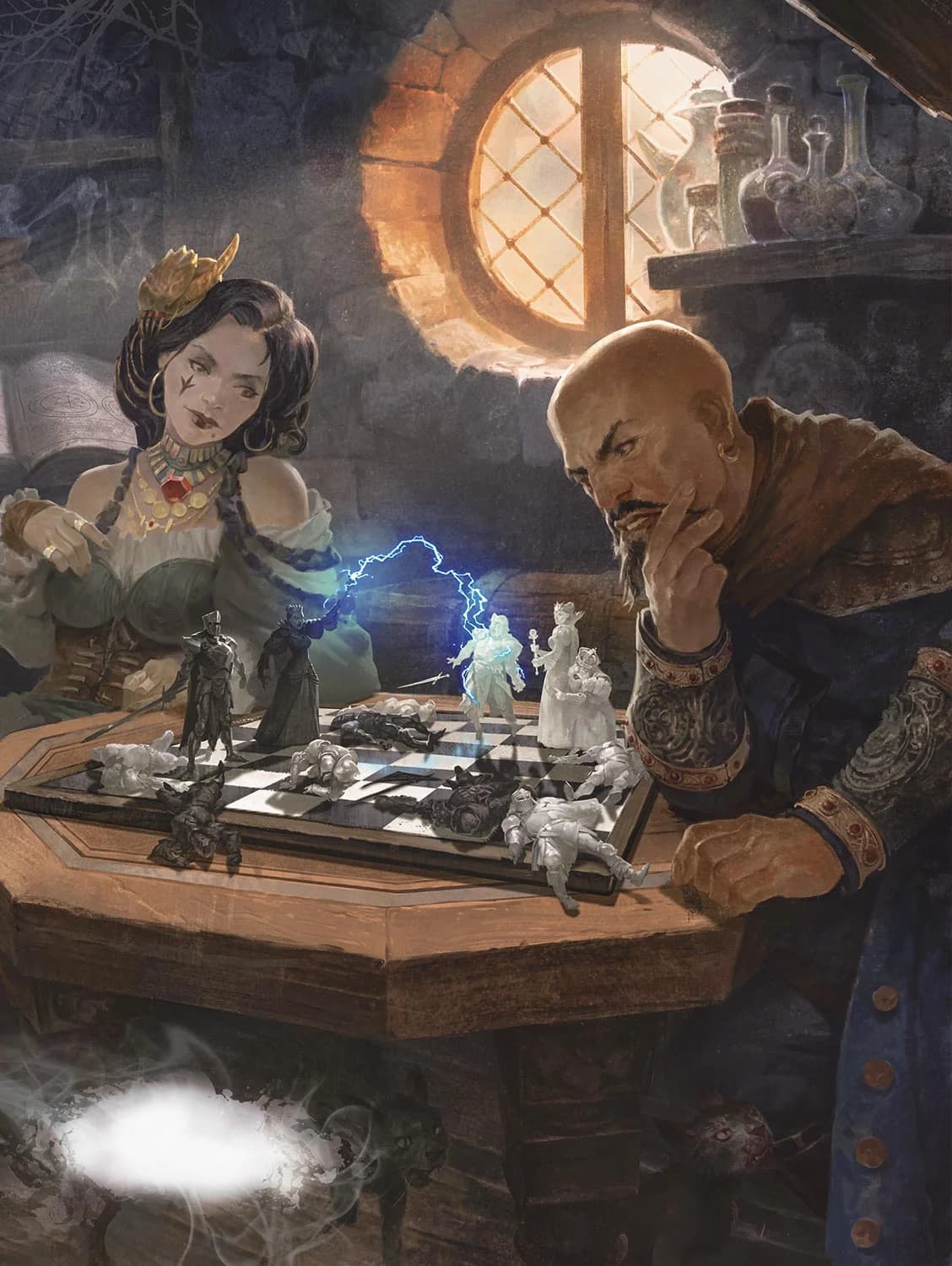
Session Zero
Establish boundaries. And if anyone crosses them, speak up. If they don't listen, there's always cloudkill…— TashaBefore making characters or playing the game, the DM and players can run a special session—colloquially called session zero—to establish expectations, outline the terms of a social contract, and share house rules. Making and sticking to these rules can help ensure that the game is a fun experience for everyone involved.
Often a session zero includes building characters together. As the DM, you can help players during the character creation process by advising them to select options that will serve the adventure or campaign that awaits.
Character and Party Creation
Each player has options when it comes to choosing a character race, class, and background, though you may restrict certain options that are deemed unsuitable for the campaign. If there are multiple players in the group, you should encourage them to choose different classes so that the adventuring party has a range of abilities. It's less important that the party include multiple backgrounds, as sometimes it's fun to play an all-soldier party or a troupe of adventuring entertainers. The backgrounds they choose define who their characters were before becoming adventurers and also include roleplaying hooks in the form of ideals, bonds, and flaws—things you ought to know. For example, if a player chooses the criminal background, one of the options for the character's bond is, "I'm trying to pay off an old debt I owe to a generous benefactor." If that's the character's bond, you should work with the player to decide who that generous benefactor is and build relevant storylines into the larger campaign.
Party Formation
During session zero, your role is to let the players build the characters they want and to help them come up with explanations for how their characters came together to form an adventuring party. It can be helpful to assume that the characters know each other and have some sort of history together, however brief that history might be. Here are some questions you can ask the players as they create characters to get a sense of the party's relationships:
- Are any of the characters related to each other?
- What keeps the characters together as a party?
- What does each character like most about every other member of the adventuring party?
- Does the group have a patron? See chapter 2, "Group Patrons" for patron examples.
If the players are having trouble coming up with a story for how their characters met, they may choose an option from the Party Origin table or let a d6 roll choose it for them. You should spend part of session zero helping the players flesh out the details. For example, if the characters came together to overcome a common foe, the identity of this enemy needs to be determined. If a funeral gathered the group, the identity of the deceased and each character's relationship to them will need to be fleshed out.
Party Origin
| d6 | Origin Story |
|---|---|
| 1 | The characters grew up in the same place and have known each other for years. |
| 2 | The characters have united to overcome a foe. |
| 3 | The characters were brought together by a common benefactor who wishes to sponsor their adventures. |
| 4 | A funeral brings the characters together. |
| 5 | A festival brings the characters together. |
| 6 | The characters find themselves trapped together. |
Running a Game for One Player
A DM running a game for one player should spend part of session zero working with that player to come up with their character's backstory, then let the player decide if they want the character to have a sidekick (see the "Sidekicks" section in this chapter).
You might need to help the player run the sidekick for the first few sessions and should make sure the player understands the functions and limitations of sidekicks:
- Sidekicks are stalwart companions who can perform tasks both in and out of combat, including things such as setting up camp and carrying gear.
- Ideally, a sidekick's abilities should complement those of the main character. For example, a spellcaster makes a good sidekick for a fighter or rogue.
Social Contract
D&D is first and foremost meant to be a fun-for-all experience. If one or more participants aren't having fun, the game won't last long. Session zero is the perfect time for you and the players to discuss the experience they're hoping for, as well as topics, themes, and behavior they deem inappropriate. Out of this discussion, a social contract begins to form.
Sometimes a social contract takes shape organically, but it's good practice to have a direct conversation during session zero to establish boundaries and expectations. A typical social contract in a D&D group includes implicit or explicit commitments to the following points:
- You will respect the players by running a game that is fun, fair, and tailored for them. You will allow every player to contribute to the ongoing story and give every character moments to shine. When a player is talking, you are listening.
- The players will respect you and the effort it takes to create a fun game for everyone. The players will allow you to direct the campaign, arbitrate the rules, and settle arguments. When you are talking, the players are listening.
- The players will respect one another, listen to one another, support one another, and do their utmost to preserve the cohesion of the adventuring party.
- Should you or a player disrespect each other or violate the social contract in some other way, the group may dismiss that person from the table.
This social contract covers the basics, but individual groups might require additional agreed-upon terms to guarantee a fun play experience for all. And a social contract typically evolves as a group's members learn more about one another.
Hard and Soft Limits
Once you and the players have acknowledged the terms of the game's social contract and agreed to uphold them, the conversation can segue into a discussion about soft and hard limits. There are many ways to mediate this discussion, and you might want to do some research to find an approach that might work well for your group. For purposes of this explanation, these terms are described as follows:
A soft limit is a threshold that one should think twice about crossing, as it is likely to create genuine anxiety, fear, and discomfort.
A hard limit is a threshold that should never be crossed.
Every member of the group has soft and hard limits, and it behooves everyone in the group to know what they are. Make sure everyone at the table is comfortable with how this discussion takes place. Players might not want to discuss their limits aloud around the table, especially if they're new to roleplaying games or haven't spent a lot of time with certain other members of the group. One way to alleviate such discomfort is to encourage the players to share their limits privately with you and allow you to present them without attribution to the whole group. For example, the players could write their limits on index cards for you to read aloud. However these limits are presented, it would be useful for you or one of the players to compile the limits into one list that can be shared with the whole group. Keep in mind that any discussion about limits should be treated with care—even sharing a person's limits can be a very painful experience, and this conversation should be handled with respect.
Common in-game limits include—but are not limited to—themes or scenes of sex, exploitation, racial profiling, slavery, violence toward children and animals, gratuitous swearing, and intra-party romance. Common out-of-game limits include unwanted physical contact, dice-sharing, dice-throwing, shouting, vulgarity, rules lawyering, distracting use of cell phones, and generally disrespectful behavior.
The discussion of limits is important because DMs and players can have phobias or triggers that others might not be aware of. Any in-game topic or theme that makes a member of the gaming group feel unsafe or uncomfortable should be avoided. If a topic or theme makes one or more players nervous but they give you consent to include it in-game, incorporating it should be handled with care, and you must be ready to veer away from such topics and themes quickly.
While session zero is the perfect place to start this discussion, it might not be the only time limits are addressed. Someone might cross a line and need to be reminded of a limit, or someone might not think to include some of their limits in the initial discussion. Players can also discover new limits as the campaign unfolds. Make a plan to check in with the group to make sure the list of hard and soft limits is up to date, and remind everyone to revisit this list often in case it changes.
Game Customization
In addition to shaping the game around the characters in the adventuring party, you should be prepared to customize the game to suit the players' tastes. The "Know Your Players" section in the introduction of the Dungeon Master's Guide provides some guidance for doing so, based on known player archetypes. To help identity what types of players are in the group, you can ask each player any or all of the following questions:
- Which of the three pillars of adventuring (combat, exploration, roleplaying) interest you the most?
- How much humor do you like in the game?
- What level of technology do you prefer?
- Do you enjoy solving in-game puzzles and riddles?
- Do you like to track experience points, or would you rather have your character advance in level when I tell you to?
House Rules
House rules include optional rules, such as those presented in chapter 9 of the Dungeon Master's Guide, and rules you create. If you plan to use any house rules, session zero is a good time to discuss those rules with the players and solicit their input.
House rules are best presented as experiments, and time will tell if they're good for your game. If you introduce a house rule in session zero that turns out to have an adverse effect on people's enjoyment of the game, you may jettison or revise the house rule to create a better gaming experience for everyone. Don't feel bad if a house rule doesn't end up working as well as you expected it to. Remember: the goal is to ensure everyone is having fun.
Sidekicks
My soon-to-be sidekick could learn a thing or two from all this—more material for Project Humblekainen.— TashaThis section provides a straightforward way to add a special NPC—called a sidekick—to the group of adventurers. These rules take a creature with a low challenge rating and give it levels in one of three simple classes: Expert, Spellcaster, or Warrior.
A sidekick can be incorporated into a group at the party's inception, or a sidekick might join them during the campaign. For example, the characters might meet a villager, an animal, or another creature, forge a friendship, and invite the creature to join them on their adventures.
You can also use these rules to customize a monster for your own use as DM.
Creating a Sidekick
A sidekick can be any type of creature with a stat block in the Monster Manual or another D&D book, but the challenge rating in its stat block must be 1/2 or lower. You take that stat block and add to it, as explained in the "Gaining a Sidekick Class" section.
To join the adventurers, the sidekick must be the friend of at least one of them. This friendship might be connected to a character's backstory or to events that have transpired in play. For example, a sidekick could be a childhood friend or pet, or it might be a creature the adventurers saved. As DM, you determine whether there is sufficient trust established for the creature to join the group.
You decide who plays the sidekick. Here are some options:
- A player plays the sidekick as their second character—ideal when you have only one or two players.
- A player plays the sidekick as their only character—ideal for a player who wants a character who's simpler than a typical player character.
- The players jointly play the sidekick.
- You play the sidekick.
There's no limit on the number of sidekicks in a group, but having more than one per player character can noticeably slow down the game. And when estimating the difficulty of an upcoming encounter, count each sidekick as a character.
Gaining a Sidekick Class
When you create a sidekick, you choose the class it will have for the rest of its career: Expert, Spellcaster, or Warrior, each of which is detailed below. If a sidekick class contains a choice, you may make the choice or let the players make it.
Starting Level
The starting level of a sidekick is the same as the average level of the group. For example, if a 1st-level group starts out with a sidekick, that sidekick is also 1st level, but if a 10th-level group invites a sidekick to join them, that sidekick starts at 10th level.
Leveling Up a Sidekick
Whenever a group's average level goes up, the sidekick gains a level. It doesn't matter how much of the group's recent adventures the sidekick experienced; the sidekick levels up because of a combination of the adventures it shared with the group and its own training.
Hit Points
Whenever the sidekick gains a level, it gains one Hit Die, and its hit point maximum increases. To determine the amount of the increase, roll the Hit Die (the type of die appears in the sidekick's stat block), and add its Constitution modifier. It gains a minimum of 1 hit point per level.
If the sidekick drops to 0 hit points and isn't killed outright, it falls unconscious and subsequently makes death saving throws, just like a player character.
Proficiency Bonus
The sidekick's proficiency bonus is determined by its level in its class, as shown in the class's table.
Whenever the sidekick's proficiency bonus increases by 1, add 1 to the to-hit modifier of all the attacks in its stat block, and increase the DCs in its stat block by 1.
Ability Score Increases
Whenever the sidekick gains the Ability Score Improvement feature, adjust anything in its stat block that relies on an ability modifier that you increase. For example, if the sidekick has an attack that uses its Strength modifier, increase the attack's modifiers to hit and damage if the Strength modifier increases.
If it's unclear whether a melee attack in the stat block uses Strength or Dexterity, the attack can use either.
- Expert Sidekick
- Spellcaster Sidekick
- Warrior Sidekick
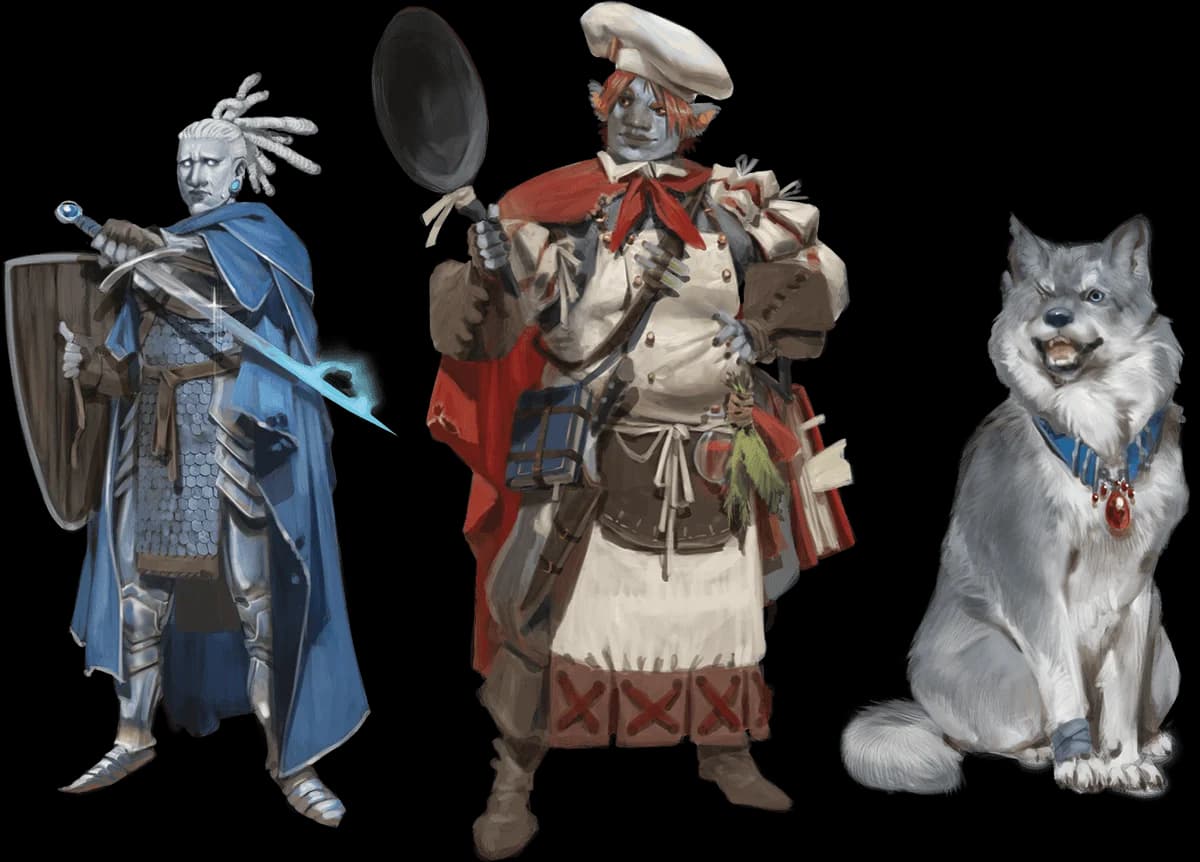
Parleying with Monsters
Why fight if a lively chat is possible? If things get out of hand, just show yourself out with a dimension door.— TashaMeeting a monster doesn't have to spark a fight. An offering, like food, can calm some hostile monsters, and sapient creatures often prefer to talk than to draw weapons. If the adventurers try to parley with a monster, you may improvise the encounter or use the social interaction rules in the Dungeon Master's Guide. Consider granting the characters advantage on any ability check they make to communicate with a creature if they offer something it wants. The "Monsters' Desires" section below suggest things that a creature might like, depending on its type.
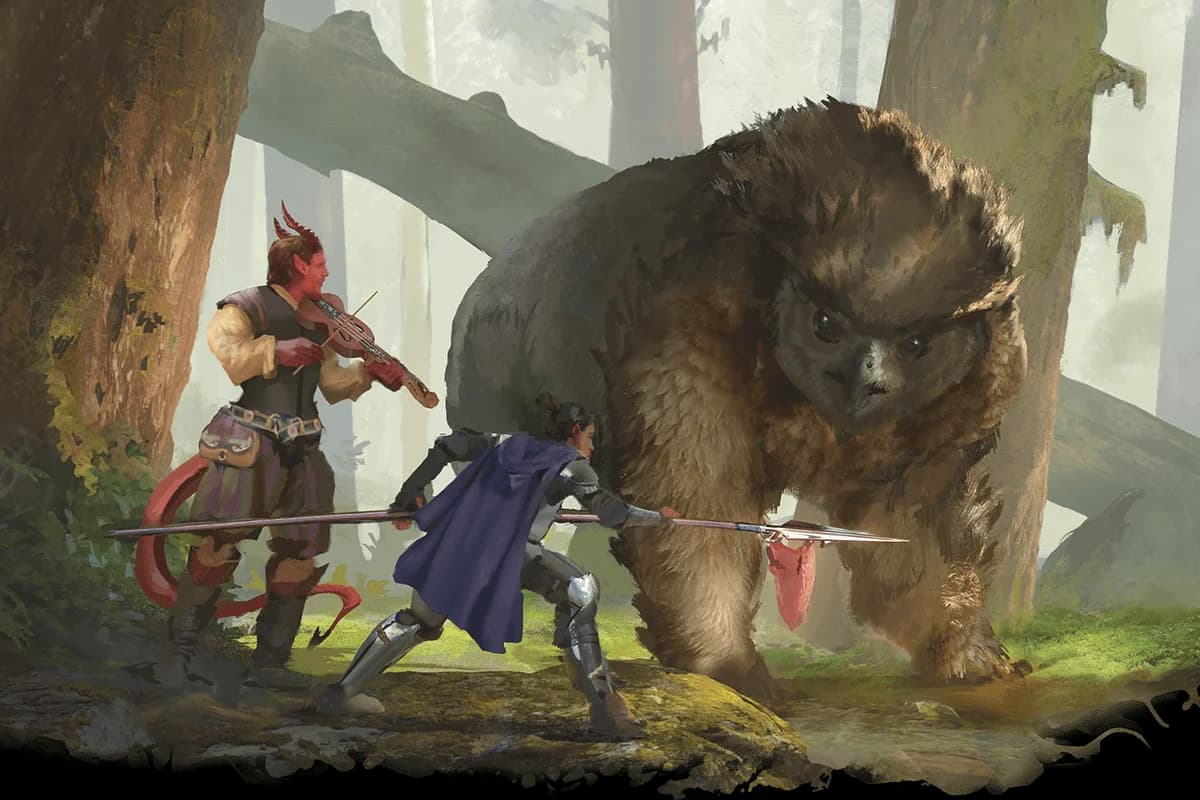
Monster Research
Adventurers can research what a creature is likely to desire. The Monster Research table suggests which skills can be used to learn about a creature of a particular type. The DC for a relevant ability check equals 10 + the creature's challenge rating.
Monster Research
| Type | Suggested Skills |
|---|---|
| Aberration | Arcana |
| Beast | Animal Handling, Nature, or Survival |
| Celestial | Arcana or Religion |
| Construct | Arcana |
| Dragon | Arcana, History, or Nature |
| Elemental | Arcana or Nature |
| Fey | Arcana or Nature |
| Fiend | Arcana or Religion |
| Giant | History |
| Humanoid | History |
| Monstrosity | Nature or Survival |
| Ooze | Arcana or Survival |
| Plant | Nature or Survival |
| Undead | Arcana or Religion |
Monsters' Desires
Aberrations
| d4 | Desired Offering |
|---|---|
| 1 | The brain or other organs of a rare creature |
| 2 | Flattery and obsequiousness |
| 3 | Secrets or lore it doesn't already know |
| 4 | Accepting a strange, organic graft onto your body |
Beasts
| d4 | Desired Offering |
|---|---|
| 1 | Fresh meat |
| 2 | A soothing melody |
| 3 | Brightly colored beads, cloth, feathers, or string |
| 4 | An old stuffed animal or other soft trinket |
Celestials
| d4 | Desired Offering |
|---|---|
| 1 | The tale of a heroic figure |
| 2 | An oath to do three charitable deeds before dawn |
| 3 | The crown of a defeated tyrant |
| 4 | A holy relic or treasured family heirloom |
Constructs
| d4 | Desired Offering |
|---|---|
| 1 | Oil to apply to the construct's joints |
| 2 | A magic item with charges, to be used as fuel |
| 3 | A vessel infused with elemental power |
| 4 | Adamantine or mithral components |
Dragons
| d4 | Desired Offering |
|---|---|
| 1 | Gold or gems |
| 2 | Anything from a draconic rival's hoard |
| 3 | An antique passed down at least three generations |
| 4 | A flattering artistic depiction of the dragon |
Elementals
| d4 | Desired Offering |
|---|---|
| 1 | A gem worth at least 50 gp, which the creature eats |
| 2 | An exceedingly pure sample of a favored element |
| 3 | A way to return the elemental to its home plane |
| 4 | Performing a dance from the elemental's home plane |
Fey
| d4 | Desired Offering |
|---|---|
| 1 | The memory of your first kiss |
| 2 | The color of your eyes |
| 3 | An object of deep sentimental value to you |
| 4 | Reciting a sublime poem |
Fiends
| d4 | Desired Offering |
|---|---|
| 1 | Your soul |
| 2 | A desecrated holy object |
| 3 | Blood from a living or recently slain loved one |
| 4 | Breaking a sacred promise in the fiend's presence |
Giants
| d4 | Desired Offering |
|---|---|
| 1 | A dwarf admitting giant-craft to be superior to dwarf-craft |
| 2 | A strong working animal |
| 3 | Multiple barrels of ale |
| 4 | Treasure stolen from a rival giant |
Humanoids
| d4 | Desired Offering |
|---|---|
| 1 | Promising to find a lost item of great importance to their culture |
| 2 | Challenging them to a type of friendly contest, such as dancing, singing, or drinking |
| 3 | Recovering something they've lost |
| 4 | Information on a foe's secrets or weaknesses |
Monstrosities
| d4 | Desired Offering |
|---|---|
| 1 | Dislodging the stuck scraps of the creature's last meal |
| 2 | The creature's favorite food |
| 3 | Driving off the creature's rival |
| 4 | Making movements that mimic the monster's mating dance |
Oozes
| d4 | Desired Offering |
|---|---|
| 1 | A vial of putrid liquids |
| 2 | A cloth bearing a noxious odor |
| 3 | Bones or metal, which the ooze promptly absorbs |
| 4 | A gallon of any effervescent fluid |
Plants
| d4 | Desired Offering |
|---|---|
| 1 | A pound of mulch |
| 2 | Water from a spring infused with Feywild energy |
| 3 | Clearing invasive vegetation from the creature's territory |
| 4 | Destroying all axes and fire-making implements the party carries |
Undead
| d4 | Desired Offering |
|---|---|
| 1 | A vial of blood |
| 2 | A personal memento from the creature's past |
| 3 | Materials, tools, or the skills to sun-proof a crumbling mausoleum |
| 4 | Completing a task the creature was unable to finish in life |
Environmental Hazards
When your earliest memories are of growing up in the Feywild, things like time-warping mushrooms, mind-bending fruit, and giant tabby cats seem far less whimsical and way more, "Could we please just move to the Material Plane so I can have some scrap of a normal childhood?!"— TashaThis section explores how to add fantastical challenges to any locale and ways to further bring an adventure's setting to life.
When a creature's name appears in bold in a table herein, that indicates that you can find the creature's stat block in the Monster Manual.
Supernatural Regions
Not all lands thrive as nature intended. Magical forces, strange interlopers, or tragic events can alter an area's destiny, fundamentally changing the land. While the flora, fauna, structures, and inhabitants might remain unaffected, the land's innate character takes on new qualities.
A supernatural region is permeated by a preternatural force in an area as large or small as you wish. In the affected area, certain effects and brief encounters reinforce an underlying theme. These effects occur as characters traverse an influenced region or add interest to a specific affected location.
The descriptions of the following supernatural regions summarize the region, present a table of potential effects within the affected area, and note triggers for a random effect. Feel free to customize the effects of each region to suit any adventure.
The effects of a region occur whenever you please, at the time each description suggests, or under one or more of the following circumstances:
- Soon after the party first enters the region
- When a creature loses more than half its hit points
- When a creature casts a spell of 1st level or higher
- When a creature activates a magic item
- When a creature makes an exceptionally loud noise or otherwise attracts attention
- When the party spends at least 30 minutes in the same region
Blessed Radiance
The grace of the Upper Planes touches this region. Consider rolling on the Blessed Radiance Effects table when the following circumstances occur in the region:
- A creature succeeds on a saving throw compelled by the abilities of a fiend or an undead
- A creature is the target of a cleric or paladin spell of 3rd level or higher
- A creature scores a critical hit against a fiend or an undead
- A creature experiences an epiphany or inspiring triumph in the service of righteousness or in defiance of wickedness

Blessed Radiance Effects
| d100 | Effect |
|---|---|
| 01–06 | Golden light fills a 20-foot-radius, 40-foot-high cylinder centered on one character in the region and then fades. That character and their friends in the cylinder gain the benefits of the divine favor spell for 1 hour. |
| 07–12 | Radiant energy erupts in a 10-foot-radius sphere centered on one random creature in the region. Each creature in the sphere that isn't undead regains 3d6 hit points. Each undead creature in the sphere takes 3d6 radiant damage. |
| 13–18 | Aberrations, fiends, and undead in the region have disadvantage on attack rolls and ability checks for the next 24 hours. |
| 19–24 | Each creature carrying the holy symbol of a deity from a non-evil plane while in the region gains advantage on saving throws for the next 24 hours. |
| 25–30 | One character in the region is suffused with celestial power. For 1 minute, the character's melee attacks deal an extra 2d6 radiant damage on a hit. |
| 31–36 | One simple or martial weapon that is nonmagical and carried by one character in the region gains the properties of a mace of disruption for 24 hours. |
| 37–42 | A flying, gleaming sword (use the flying sword stat block in the Monster Manual) appears within 60 feet of an aberration, a fiend, or an undead, which becomes the sword's target. The sword deals radiant damage instead of slashing damage and knows the exact location of its target while the target is within the region. The sword vanishes when it or its target is reduced to 0 hit points. |
| 43–48 | One character in the region hears whispers from celestial beings or refrains of celestial choirs. The character can ask those voices one question as if using the commune spell. |
| 49–54 | Aberrations, fiends, and undead in the region give off a crimson glow for 1 minute. The creatures shed dim light in a 10-foot radius, attacks against them have advantage if the attacker can see them, and the creatures can't benefit from being invisible. |
| 55–60 | Celestial power explodes in a 30-foot-radius sphere of divine light centered on an aberration, a fiend, or an undead creature within the region. Each creature in the sphere must make a DC 15 Constitution saving throw. On a failure, the creature takes 4d6 radiant damage and is blinded. On a success, it takes half damage and isn't blinded. |
| 61–66 | One character in the region feels a profound sense of purpose and gains the benefit of the bless spell for 1 minute. They can choose two other creatures they can see to gain the spell's benefits as well. |
| 67–72 | A booming voice thunders in Celestial and can be heard throughout the region. Each creature in the region must make a DC 15 Constitution saving throw. On a success, the creature gains 2d10 temporary hit points. On a failure, the creature is deafened for 1 minute. |
| 73–78 | One character in the region gains the ability to cure afflictions for 1 hour. As an action, they can cast lesser restoration or greater restoration without expending a spell slot and requiring no material components. |
| 79–84 | The effects of a hallow spell (save DC 17), with one of its extra effects (DM's choice), settle over the region for 24 hours. |
| 85–90 | An angelic voice rings throughout the region. Each creature there must succeed on a DC 15 Wisdom saving throw or perform the grovel option of the command spell. |
| 91–95 | One character in the region permanently gains resistance to necrotic damage. Reroll if you've already rolled this effect. |
| 96–00 | One character in the region gains the ability to use the Divine Intervention cleric feature, which succeeds automatically. The character can use the feature granted in this way only once and must use it within 7 days. Reroll if you've already rolled this effect. |
Far Realm
As souls travel away from the Material Plane after death, they either dwell in the Astral Plane as spirits or are pulled toward one of the Outer Planes to continue their journey. But some entities find ways to travel beyond the Outer Planes to dwell in the Far Realm. There they transform over eons into abominations or elder evils, seething in a reality with its own laws. All who stay in the Far Realm are eventually twisted into alien shapes by the realm's eldritch forces.
The Far Realm's pernicious influence is often subtle, leaking into the Material Plane through thin places in reality or as invasive thoughts that inspire life to propagate along alien paths.
Consider rolling on the Far Realm Effects table when the following circumstances occur in a region touched by the Far Realm:
- A warlock whose Otherworldly Patron is a Great Old One rolls a 1 or 20 on the d20 for an ability check, an attack roll, or a saving throw.
- The characters take a short or long rest in the region.
- A creature spends more than an hour reading an eldritch tome written by those who have seen or otherwise interacted with the Far Realm.
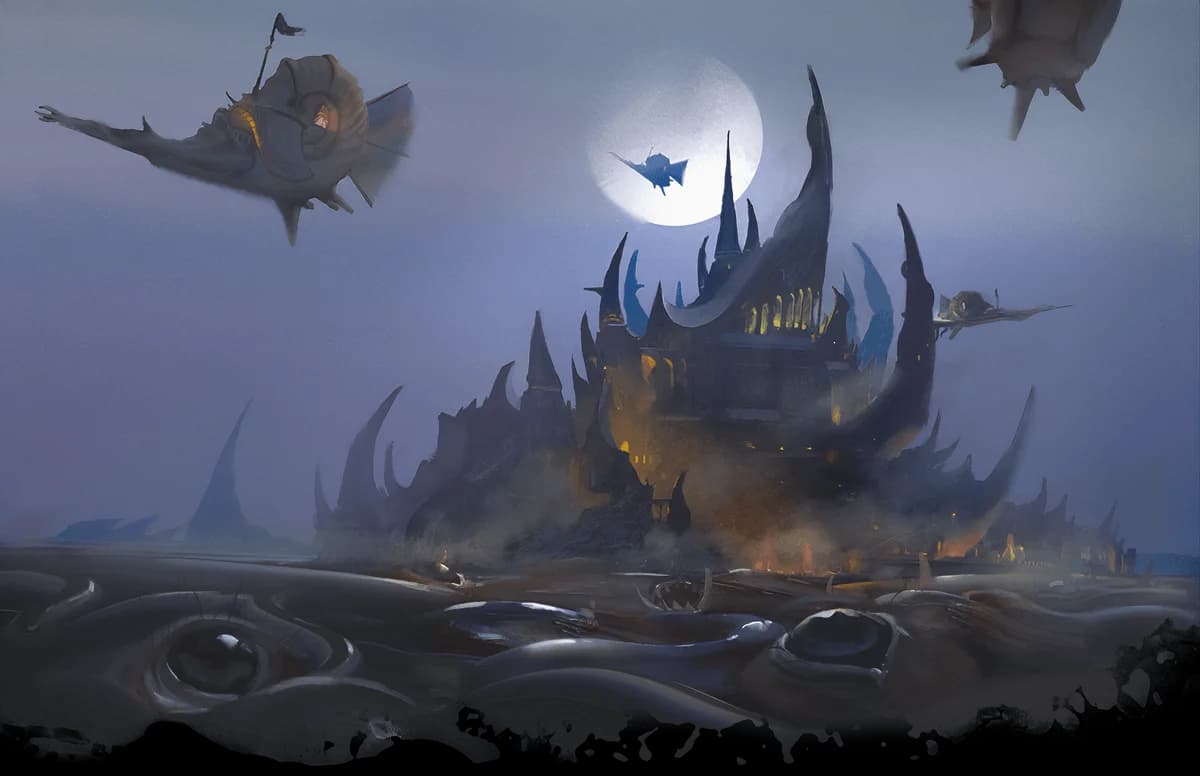
Far Realm Effects
| d100 | Effect |
|---|---|
| 01–09 | A structure in the region whispers faintly. Any creature within 60 feet of the structure that can hear it must succeed on a DC 12 Wisdom saving throw or be charmed. While charmed in this way, the creature must move toward the source of the whispering, avoiding obvious hazards. When it reaches the source, it is incapacitated. The creature can repeat the saving throw when it takes damage and at the end of every hour, ending the effect on itself on a success. |
| 10–18 | An elder evil turns its attention to the region, imposing the pressure of its unfathomable presence upon the place. Any creature that finishes a rest in the region must succeed on a DC 12 Charisma saving throw, or it gains no benefit from finishing the rest. It instead finds strange scrawls, stacked stones, or its belongings arranged in intricate, abstruse patterns nearby. |
| 19–27 | Local plants and animals share a malevolent intelligence. Roll a d6. On a 1–2, an insect plague spell is centered on one random creature in the region. On a 3–4, 1d4 swarms of ravens and 1d4 swarms of rats gather and attack any other creatures in the region. On a 5–6, a treant (in forested terrain) or a galeb duhr (in rockier terrain) attacks. |
| 28–36 | Distance no longer functions in a comprehensible manner within the region. Creatures make ranged attack rolls with disadvantage, and the range of those attacks is halved. |
| 37–45 | The landscape melts into a mass of writhing flesh, eyes, and fanged mouths. From an unoccupied space in the fleshy ground arise 1d4 + 5 gibbering mouthers that attack anyone in sight. |
| 46–54 | Unintelligible murmurings threaten to overcome the mind of one random creature within the region. At the start of the creature's turn, it must succeed on a DC 13 Intelligence saving throw or use its action to make one melee attack against the nearest creature it can see. If there are no other creatures within reach, the target spends its action babbling. |
| 55–63 | Bizarre appendages squirm beneath the ground and around trees or other structures within this region. Dozens of limbs burst forth, entangling anyone within a 30-foot sphere surrounding one random creature. Each creature in the sphere must succeed on a DC 14 Dexterity saving throw or take 3d6 bludgeoning damage and be restrained. Any creature that ends its turn in the area takes 3d6 bludgeoning damage. A creature can free itself or someone else within reach from being restrained in this way by using an action to make a successful DC 14 Strength or Dexterity check (its choice). |
| 64–72 | Creatures in the region can't leave it and find themselves covering the same ground over and over. By the time they realize this, 2d10 hours have passed, during which they have made no progress in their effort to leave. The effect then ends, and each creature must succeed on a DC 10 Constitution saving throw or gain 1 level of exhaustion. |
| 73–79 | One random creature in the region hears strange whispers and must succeed on a DC 14 Wisdom saving throw or become charmed. While charmed in this way, the creature focuses on copying the blasphemous designs that appear in its mind using whatever medium it has available (ink, charcoal, mud, or its own blood). Unless restrained, the creature completes the designs in 1 hour of work. When the creature finishes its work, it is no longer charmed, and a death slaad appears within 30 feet of it and attacks anyone in sight. |
| 80–85 | Natural features and structures in this region writhe to spell out words and form strange symbols. Any creature that tries to read the messages must make a DC 20 Intelligence (Arcana) check. On a success, the creature gains insight as if it had cast the contact other plane spell. On a failure, the creature is affected as if it failed a saving throw against the confusion spell. This effect ends at the end of the creature's next turn. |
| 86–90 | In this region, circular things (such as buttons, crystal balls, the sun, and so on) seem appallingly wrong. One random creature that starts its turn in this region must succeed on a DC 14 Intelligence saving throw or spend their turn loudly trying to destroy these objects. |
| 91–95 | Glaring eyes, which weep viscid tears, appear on inanimate objects throughout the region. These eyes watch the characters, and creatures within the region can't be surprised by the characters for as long as the eyes exist. An eye closes and disappears if it takes any damage. Reroll if you've already rolled this effect. |
| 96–00 | A tear in reality creates a rift in the region, similar to the spell gate, that passes through the Far Realm and connects with a random plane. Any creature that enters the rift takes 10d10 psychic damage from the horrors of the Far Realm and appears in an empty space closest to the rift's opening on another random plane. The rift vanishes after 2d10 + 2 hours. |
Haunted
Haunted environs include homes burdened by dark deeds, the sites of mass killings, and locations where individuals died while experiencing powerful fear, sorrow, or hatred. Haunted places bear echoes of the past and, like ghosts, harass visitors even as they seek respite from age-old traumas. Few places are meaninglessly haunted, and you can easily customize the general results on the following table to suit all manner of macabre tales.
Consider rolling on the Haunted Effects table when the following circumstances occur in the region:
- A creature gains the frightened condition.
- Multiple creatures are unable to see.
- A creature is alone.
- Midnight or another ominous hour arrives.
- A ghost or other creature tied to the region's grim history menaces the party.
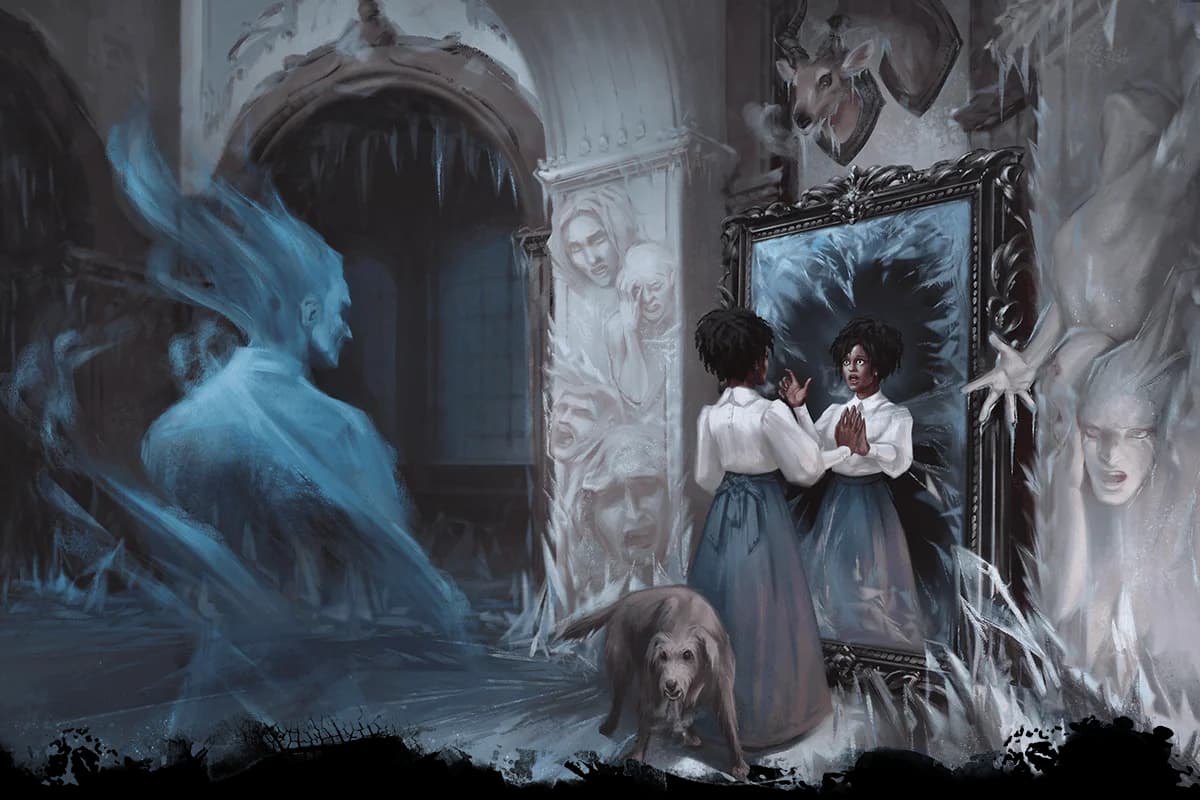
Haunted Effects
| d100 | Effect |
|---|---|
| 01–05 | A violent thunderstorm begins, centered over the region. It doesn't end until the party leaves the region. |
| 06–10 | A random building in the region gains the benefits of the guards and wards spell (save DC 13) for the next 24 hours. |
| 11–15 | A mundane part of one random character's surroundings—perhaps a tree bole or a taxidermied animal head—animates for 1 minute and whispers a warning or threatens to reveal one of the character's secrets. |
| 16–20 | All bright light weakens to dim light for 24 hours. Sources that provide dim light, such as candles, do not shed any light. |
| 21–25 | The temperature in the region drops by 10 degrees Fahrenheit every hour for the next 1d6 hours, after which the temperature returns to normal. If cold enough, ice crystals form in sinister patterns. |
| 26–30 | One random creature's shadow acts independently for the next 24 hours. The shadow acts out of sync with its owner, perhaps dramatically choking or trying to murder another shadow. |
| 31–35 | After the next sunset, the sun doesn't rise again for 36 hours. During this time, the sky over the region might hold a crimson moon, be obscured by roiling fog, or display blinking, alien stars. |
| 36–40 | During the next night, one random sleeping creature vanishes and reappears approximately a foot beneath where they were sleeping—typically buried in undisturbed dirt or in a space beneath floorboards. The creature or someone else can free it with a successful DC 13 Strength (Athletics) check. |
| 41–45 | One random creature in the region is targeted by the levitate spell (save DC 15) for 1 minute. |
| 46–50 | A nonviolent but unsettling ghost—perhaps a pet, an accident-prone child, or a dismembered big toe—appears and follows one random creature for 24 hours before vanishing. The ghost vanishes if reduced to 0 hit points. |
| 51–55 | One player character's appearance changes for the next 24 hours to reflect the region's haunted history. For example, they might manifest the distinctive facial scar associated with a notorious tyrant who died in the region. |
| 56–60 | For the next 24 hours, any humanoid killed in the region rapidly decomposes and rises as a skeleton 1d10 minutes after dying. |
| 61–65 | Over the next 24 hours, whenever any creature is wounded, its blood (or similar fluid) spreads to form a short message or grisly tableau. |
| 66–70 | A spirit inhabits one character's simple or martial weapon, making it a sentient magic item until the character leaves the region. Randomly generate the item's properties as described in the "Sentient Magic Items" section of the Dungeon Master's Guide. |
| 71–75 | A spectral force manifests to one character in the region, allowing them to ask one question and receive a short answer as through the augury spell. The force manifests as a planchette moving on a talking board, writing on foggy glass, or insects swarming to create messages. |
| 76–80 | During the next night, one sleeping character in the region receives a vision as if the target of the dream spell. The dream is brief and unsettling, revealing some element of the environment's history and putting the character in the place of someone who suffered a grim fate there. |
| 81–85 | A coffin or small enclosed space in the region—perhaps an antique box, stone cairn, or tree stump sealed with rocks—radiates palpable malice. The first time a creature opens it, roll a die. If you roll an even number, the creature receives a terrible vision and is frightened of all creatures for the next 24 hours. If you roll an odd number, an avatar of death appears and attacks as though summoned by the Skull card from a deck of many things. |
| 86–90 | Over the next 24 hours, whenever any creature in the region regains hit points from a spell, the healing magic leaves scars. This might be accompanied by a purging of black bile or a spectral force tearing free from the creature. These scars can be removed only by greater restoration or wish. |
| 91–95 | For 24 hours, a luminous wisp of vapor floats above a corpse or grave in the region. If the wisp is put in a container, a creature holding the receptacle can cast the resurrection spell once, requiring no components and causing the wisp to vanish. Any creature returned to life in this way experiences strange dreams. |
| 96–00 | A mysterious mist rises from the shadows. This dense fog heavily obscures everything in a 50-foot-radius sphere around one random creature in the region. Any creature that starts its turn in the mist must succeed on a DC 10 Constitution saving throw or gain 1 level of exhaustion. This exhaustion can't be removed while the creature is in the mist. Additionally, creatures notice unsettling sights through the fog, such as ominous ruins or soundless silhouettes fleeing pursuit. The mists can't be dispersed by any wind, but clear after 1 minute. |
Infested
On many worlds, the biomass of insects radically outweighs that of higher organisms. Mass migrations and deadly insect species can imperil larger creatures, but most insects remain nothing more than an annoyance. However, through wild population booms, magical manipulation, supernatural growth, interbreeding with otherworldly species, or stranger circumstances, insects can overrun an entire region. Swarms of insects become the dominant species in an area, consuming plants and animals, creating elaborate hives or tunnels, and infesting structures and the earth.
The following effects represent a region overrun by insects or hives of similar creatures, likely manipulated by magic, otherworldly intelligence, or environmental factors to infest an area in countless numbers and drive out all competing life.
Consider rolling on the Infested Effects table when the following circumstances occur in the region:
- Webs, cocoons, hives, anthills, or other insect dwellings are disturbed.
- A creature attacks an insect swarm or a Small or larger insect, such as a giant centipede or giant spider, in the region.
- A creature begins a short or long rest.
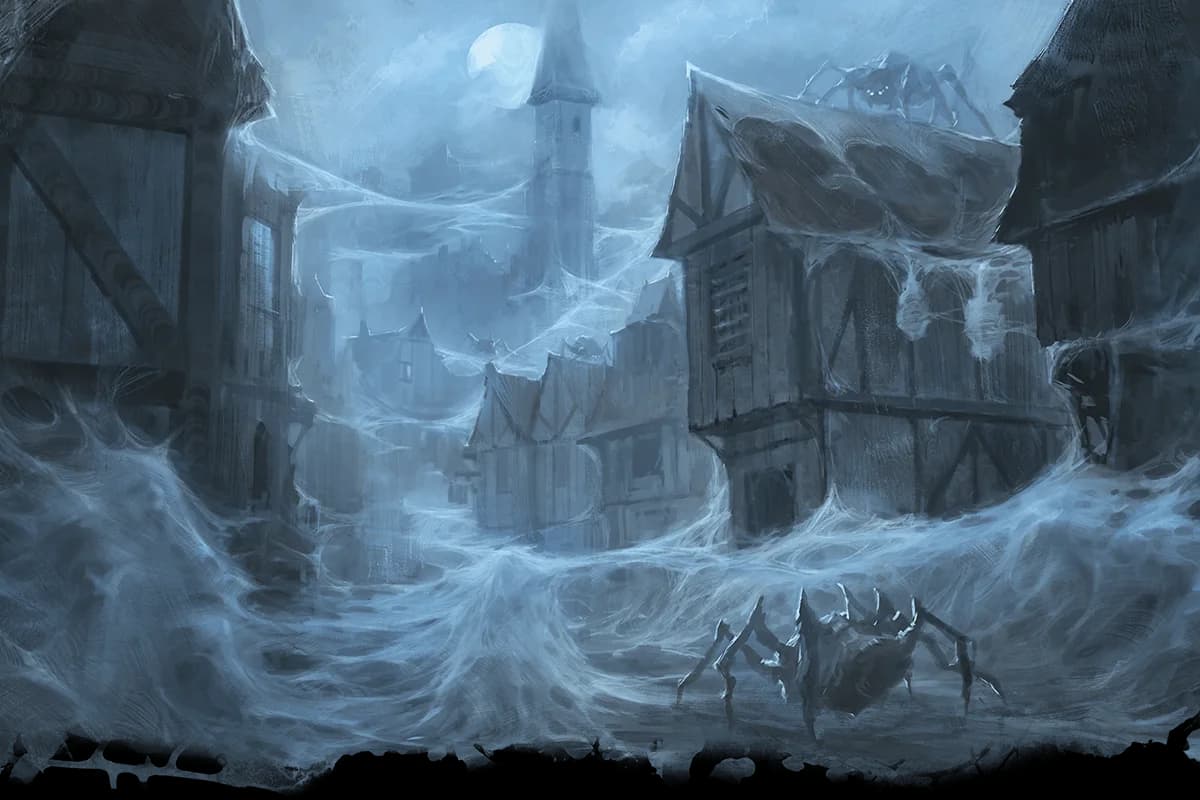
Infested Effects
| d100 | Infested Effects |
|---|---|
| 01–05 | Intense buzzing or grinding noises fill the region for the next 24 hours. With the exception of truly cacophonous sounds, creatures can only hear speech and noises that originate within 10 feet of them. |
| 06–10 | A mass migration of insects begins, with waves of Tiny bugs crawling over everything in the region. Creatures cannot take a short or long rest in the region for the next 24 hours. |
| 11–15 | A swarm of bioluminescent flies converges on one random creature in the region. For the next minute, the creature sheds dim light in a 10-foot radius, any attack against it has advantage if the attacker can see it, and the creature can't benefit from being invisible. |
| 16–20 | A boil of termites bursts from the ground, along with dozens of bones and a treasure of the DM's choice (see "Random Treasure" in the Dungeon Master's Guide). |
| 21–25 | A cricket-shaped creature with the statistics of a cat bounds up to one random creature and follows it like an affectionate pet for 24 hours before scampering off. |
| 26–30 | A cluster of 1d4 + 2 faintly glowing grubs appears in an unoccupied space within 30 feet of the party. Any creature that consumes one of these succulent grubs receives the benefits of a potion of healing. |
| 31–35 | A large, psychedelically colored moth flies over the party, dusting the characters with strange powder. Creatures the moth flies over must succeed on a DC 16 Constitution saving throw or be charmed by all creatures for 1 hour. |
| 36–45 | The region is choked with wispy webbing, which acts as difficult terrain. |
| 46–50 | Nearly every surface is covered with discarded cicadae-like shells that crunch loudly when trod upon, imposing disadvantage on Dexterity (Stealth) checks made while moving across them. The shells vanish after 1 hour. |
| 51–55 | A massive, bloated maggot emerges from the ground within 10 feet of the party and bursts, covering the ground with ichor in a 10-foot square centered on it. This region is affected by the grease spell (save DC 13) for 1 minute. |
| 56–60 | The ground opens up beneath one random creature, creating a quicksand pit (see the Dungeon Master's Guide). |
| 61–65 | One random creature in the region must succeed on a DC 16 Constitution saving throw or contract the sight rot disease (see the Dungeon Master's Guide) from minute parasites. |
| 66–70 | Dung-colored bugs cover the ground. Creatures that move at half their normal walking speed can ignore the bugs. Those that move faster must succeed on a DC 16 Constitution saving throw or become poisoned until the start of their next turn. A creature poisoned in this way has its speed reduced to 0, as it is overcome by the squashed insects' foul smell. Creatures that don't need to breathe automatically succeed on this saving throw. |
| 71–75 | One of the characters in the region must succeed on a DC 15 Wisdom saving throw or be transformed into a giant spider, as if by the polymorph spell. The spell lasts for 1 hour or until dispelled. |
| 76–80 | One random creature in the region must succeed on a DC 16 Constitution saving throw, or it acquires a ravenous silverfish infestation among its gear. The infestation is discovered the next time the creature finishes a short or long rest. If the creature has any paper material, the silverfish destroy one random book or other paper item that isn't magical. |
| 81–85 | One random creature in the region must succeed on a DC 16 Constitution saving throw or become host to a particularly aggressive tapeworm. The affected creature gains no benefit from eating until it receives treatment that removes a disease. A creature immune to disease automatically succeeds on this saving throw. |
| 86–90 | Biting mites infest creatures' clothing in the region. Any creature wearing medium or heavy armor has disadvantage on attack rolls, ability checks, and saving throws for the next 24 hours. |
| 91–95 | Tiny arachnids invade unattended spaces. The next time one random creature in the region dons its clothing or armor after finishing a long rest, it must succeed on a DC 16 Constitution saving throw or take 11 (2d10) poison damage. |
| 96–00 | Countless tiny, bloodsucking insects infest the region for the next 1d6 hours. Every hour, each creature in the region must succeed on a DC 10 Constitution saving throw or gain 1 level of exhaustion. The insects don't affect creatures that are immune to disease. |
Mirror Zone
A mirror zone occurs where planar and magical energies converge and create a place of reflections. Creatures, objects, and energy reflect, refract, duplicate, or are transported elsewhere. Such locations arise from the intrusion of a theorized Plane of Mirrors upon the Material Plane, or where powerful magic governing transition, protection, or divination had unexpected results.
Consider rolling on the Mirror Zone Effects table when the following circumstances occur in the region:
- A creature shatters a mirror.
- A creature uses any teleportation magic.
- An illusion appears.
- A creature impersonates another creature.

Mirror Zone Effects
| d100 | Effect |
|---|---|
| 01–06 | Creatures in the region begin to display features other than their own for the next 24 hours. During that time, affected creatures have advantage on Charisma (Deception) checks and ability checks made to disguise themselves. |
| 07–12 | The hallucinatory terrain spell (save DC 15) affects the natural terrain of the region, changing it into a different kind of terrain (DM's choice). |
| 13–18 | One random creature in the region gains the benefits of the blink spell for 1 minute, shimmering with overlapping shattered reflections. |
| 19–24 | Creatures in the region don't cast reflections. Wisdom (Insight) checks made against those creatures have disadvantage, and the creatures have disadvantage on Charisma (Persuasion) checks made against anyone who notices their lack of reflection. When they leave the region, creatures regain their reflections, and the effect ends. |
| 25–34 | Reflections of 1d4 creatures in the region emerge from mirrors and attack. The reflections are two-dimensional, shimmering versions of the creatures that cast them. Treat the reflections as shadows that are fey instead of undead and vulnerable to bludgeoning damage instead of radiant. |
| 35–40 | One character in the region gains the benefit of the mirror image spell. The images created sometimes move or speak of their own volition. |
| 41–46 | For the next 24 hours, certain wounds caused in the region attract spectral slivers of glass that cause extra damage. Any creature, other than a construct or an undead, hit by an attack that deals piercing or slashing damage begins to bleed, losing 1d4 hit points at the start of each of its turns. If the bleeding creature is hit by another such attack, the bleeding increases by 1d4. Any creature can take an action to stanch the wound with a successful DC 10 Wisdom (Medicine) check. The bleeding also stops if the target receives magical healing. |
| 47–52 | Mirrors and other highly reflective surfaces allow magical transport while in the region. Any creature that touches its reflection in an object that it isn't wearing or carrying can immediately cast the misty step spell, requiring no components. |
| 53–58 | One character can cast the scrying spell (save DC 17) once within the next 24 hours, requiring no components but using a mirror or other reflective surface. |
| 59–64 | The skin of one random creature in the region becomes silvery and reflective for the next 24 hours. For the duration, that creature has advantage on saving throws against spells, and spell attacks have disadvantage against that creature. |
| 65–70 | A longsword or shortsword with a blade made of a jagged mirror appears in an unoccupied space within 60 feet of a random creature in the region. The weapon is a sword of wounding (see the Dungeon Master's Guide). If the weapon's wielder rolls a 1 or 20 on an attack roll using the weapon, the weapon shatters and is destroyed after that attack. |
| 71–76 | For the next 24 hours, when anyone in the region hits a creature with an attack roll and deals damage to it, the attacker must succeed on a DC 13 Charisma saving throw or take force damage equal to half the damage dealt. |
| 77–82 | Two shimmering, vertical, reflective disks of energy appear in unoccupied spaces in the region for 1 minute. Each is 6 feet in diameter and floats 1 foot above the ground. One appears in an unoccupied space within 30 feet of the party. Any creature that moves through the disk instantly appears within 5 feet of the other disk or the nearest unoccupied space. |
| 83–88 | The next time one character in the party sees their reflection in the region, that reflection of comes to life and engages its counterpart in conversation. It offers to answer one question posed to it as if the creature cast the divination spell. After answering the question, the reflection returns to normal. |
| 89–94 | Floating shards of broken mirrors swirl through the region, showing reflections of creatures and places that aren't present, for the next minute before vanishing. On initiative count 20 (losing all ties), the shards make a ranged weapon attack (+6 to hit) against one random creature in the region. On a hit, the target takes 10 (3d6) slashing damage. |
| 95–00 | A duplicate of one random creature in the region appears in an unoccupied space within 30 feet of that creature. The duplicate's appearance, game statistics, and equipment are identical to the creature's. The duplicate immediately attacks the creature, seeking to slay it. If the duplicate dies, it and all its equipment shatter into mirror shards. If the duplicate fails to slay the creature within 1 hour, the duplicate vanishes. |
Psychic Resonance
In an area of psychic resonance, magic imposes strange effects on creatures and objects. These manifestations stem from strong emotions combined with magic use or from the presence of psionic creatures.
Consider rolling on the Psychic Resonance Effects table when the following circumstances occur in the region:
- A creature endures a powerful emotional experience.
- A creature takes an amount of psychic damage greater than its Constitution score.
- A creature becomes charmed or frightened.
- A creature experiences telepathic communication.

Psychic Resonance Effects
| d100 | Effect |
|---|---|
| 01–06 | One random creature in the region gains the ability to cast the detect thoughts spell (save DC 13) once over the next 24 hours, requiring no components. Intelligence is the spellcasting ability for this spell. |
| 07–12 | One random creature in the region is affected by the mind blank spell for the next 24 hours. |
| 13–18 | For 1 minute on initiative count 20 (losing all ties), Tiny and Small objects in the region that aren't being worn or carried are flung by an unseen force. One random creature in the region must succeed on a DC 15 Dexterity saving throw or take 2d4 bludgeoning damage from the flung objects. |
| 19–24 | Memories become sharp and clear for 1 hour. During this time, each creature in the region adds double its proficiency bonus to Intelligence checks made to recall information. |
| 25–34 | Headaches and nosebleeds plague humanoids in the region, imposing disadvantage on Wisdom (Perception) checks for 1 hour. |
| 35–40 | Psychic power builds in the mind of one random creature in the region. Once within the next minute, the creature can use a bonus action to magically assault the mind of another creature it can see. The target must succeed on a DC 14 Intelligence saving throw or take 4d10 psychic damage. |
| 41–46 | Lurking fears become nightmares. Any creature that finishes a short or long rest in the region must succeed on a DC 10 Wisdom saving throw or gain no benefit for finishing the rest. |
| 47–52 | For 1 hour, each creature in the region gains the ability to communicate telepathically with any creature it can see within 60 feet. If the target understands any languages, it can respond telepathically. |
| 53–58 | One random creature in the region can sense the presence of nearby minds for 1 hour. For the duration, the creature gains advantage on Wisdom (Perception) checks made to locate other creatures within 120 feet of it, even creatures behind total cover. |
| 59–64 | Creatures in the region suffer from disjointed thoughts and difficulty concentrating for 1 hour. For the duration, creatures have disadvantage on Intelligence checks and Constitution saving throws to maintain concentration on spells. |
| 65–70 | One random creature in the region hears strange whispers in its mind. The whispers are fragments of thoughts from other creatures nearby. The creature has advantage on Wisdom (Insight) checks for 1 hour. |
| 71–76 | One random creature in the region gains the ability to cast the telekinesis spell (save DC 15) once over the next 24 hours, requiring no components. Intelligence is the spellcasting ability for this spell. |
| 77–82 | Thoughts in the region attract ambient psychic energy, forming protective fields around creatures' minds. Creatures in the region gain resistance to psychic damage for the next hour. |
| 83–88 | For 1 minute on initiative count 20 (losing all ties), one random creature in the region must succeed on a DC 15 Intelligence saving throw or take 2d6 psychic damage. |
| 89–94 | Compassion and joy fill the mind of one random creature in the region for 1 minute. For the duration, the creature has advantage on Intelligence, Wisdom, and Charisma saving throws, and disadvantage on attack rolls. |
| 95–00 | The mind of every beast in the region is flooded with psychic energy. This energy causes each beast's Intelligence score to become 10, if it wasn't already higher, and the beast gains the ability to speak Common and Sylvan fluently. These changes are permanent. |
Awaken Anything
Legends are filled with natural forces and mundane objects that take on humanoid characteristics to guide or confound heroes: statues that sing, animals that whisper secrets, clouds that speak their mind. While monsters like elementals, galeb duhr, and treants represent natural forces brought to life, not every chatty rock or sagacious stream needs a stat block. Perhaps your adventures take a party to a land where plants speak freely or a cursed realm where petrified souls beg for help. Don't feel restricted by the options in the Monster Manual or by the limitations of the animate object spell should you want to breathe extra life into your story. Filling a witch's redoubt with murmuring relics, a fey forest with eavesdropping vegetation, or a sky god's temple with avian choirs makes a place especially memorable. Spells such as animate objects, awaken, speak with animals, speak with plants, and the like provide guidance on how to bring commonplace creatures and objects to life.
Unraveling Magic
The source of magic is damaged or corrupted in this region. Magic is unpredictable, and strange results occur when a creature casts a spell. Such regions come into being when potent rituals go awry (or if they succeed, in the case of dangerous and destructive undertakings), in the aftermath of cataclysmic magical battles, or where an artifact was destroyed.
Consider rolling on the Unraveling Magic Effects table when the following circumstances occur in the region:
- Any charges are expended in a magic item.
- A spell slot of 1st level or higher is expended.
- A dragon, a fey, or an elemental of challenge rating 5 or higher dies.

Unraveling Magic Effects
| d100 | Effect |
|---|---|
| 01–05 | All magic items in the region temporarily lose their magical properties, becoming nonmagical for 1 hour. Artifacts are unaffected. When the items regain their magic, a creature's attunement to any of them is restored. |
| 06–10 | The region becomes a dead-magic zone for 1 hour. For the duration, the entire region is affected by the antimagic field spell. |
| 11–15 | One random creature in the region must succeed on a DC 15 Dexterity saving throw or be enclosed in Otiluke's resilient sphere for 1 minute. |
| 16–20 | One random creature in the region that has expended spell slots regains one expended spell slot of a random level. |
| 21–25 | Flares of magical energy flash through the region for 1 minute. For the duration, each round on initiative count 20 (losing all ties) one random creature in the region takes 2d4 damage of a type determined by a d6: 1, acid; 2, cold; 3, fire; 4, force; 5, lightning; or 6, thunder. |
| 26–30 | One of the characters in the region must succeed on a DC 15 Wisdom saving throw or be transformed into a blink dog, as if by the polymorph spell. The spell lasts for 1 hour or until dispelled. |
| 31–35 | One random creature in the region that has spell slots expends one spell slot of a random level in a harmless shower of sparks and sounds. |
| 36–40 | All fire in the region freezes into ice that gives off a blue light equal to the illumination it normally provides. In addition, the region radiates extreme cold (see the Dungeon Master's Guide) for 1 day. |
| 41–45 | One random creature in the region with spell slots becomes a focal point for ambient magic for 1 hour. At the end of each of the creature's turns, other creatures within 10 feet of it must succeed on a Dexterity saving throw against the spellcaster's spell save DC or take 1d6 force damage. |
| 46–50 | The flaming sphere spell (save DC 15) spontaneously activates in an unoccupied space within 5 feet of the party. On initiative count 20 (losing all ties), the sphere moves 30 feet toward the nearest creature. The sphere vanishes after 1 minute. |
| 51–55 | simple or martial weapons in the region that are nonmagical crackle with power. For 1 hour, they become magic weapons that grant a +1 bonus to attack and damage rolls made with them. |
| 56–60 | Swirling energy surrounds one random creature in the region for 24 hours. For the duration, the creature gains resistance to force damage and its speed is reduced by 10 feet. |
| 61–65 | Each character in the region suddenly learns some magic. A character learns one wizard cantrip of the character's choice and knows the cantrip for 1d8 days. |
| 66–70 | One random creature in the region crackles with sparks of light for 1 hour. For the duration, the creature magically sheds bright light in a 10-foot radius and dim light for an additional 10 feet. In addition, any creature it touches (requiring an unarmed strike if the target is unwilling) takes 1d6 force damage. |
| 71–75 | Lightning arcs in a 5-foot wide line between two creatures in the region that are within 30 feet of each other and not behind total cover. Each creature in the line (including the two) must make a DC 13 Dexterity saving throw, taking 4d6 lightning damage on a failed save or half as much damage on a successful one. |
| 76–80 | The reverse gravity spell (save DC 18) activates for 1 minute, centered on the ground beneath one random creature in the region. |
| 81–85 | On initiative count 20 (losing all ties), two random creatures in the region must each make a DC 15 Charisma saving throw. If either save fails, the creatures magically teleport, switching places. If both saves succeed, they don't teleport. |
| 86–90 | One random creature in the region breaks spells for 1 hour. Whenever anyone within 20 feet of the creature casts a spell, the spellcaster must succeed on a DC 15 saving throw using its spellcasting ability, or the spell drains away without effect. The spell slot, charge, or feature use that powered the spell is wasted. |
| 91–95 | During the next 24 hours, the first time a creature in the region targets another creature with a spell, the caster must make a DC 11 saving throw using its spellcasting ability. On a failed save, the spell targets the caster instead. On a successful save, the spell functions normally. This effect then ends. |
| 96–00 | One random creature in the region can suddenly cast the wish spell once, within the next minute. Reroll if you've rolled this effect in the past 24 hours. |
Magical Phenomena
Magic has the ability to make even the most serene natural settings unpredictable. Whether the result of magical calamities, otherworldly influences, or nexuses of inexplicable forces, the subsequent effects range from whimsical to deadly.

Eldritch Storms
When magical currents become trapped amid winds and clouds, eldritch storms can result.
- Flaywind
- Flame Storm
- Necrotic Tempest
- Thrym's Howl
Emotional Echoes
Occasionally a place becomes infused with the powerful emotions of those who once dwelt, worked, celebrated, or suffered there. Areas with emotional echoes are typically associated with one common emotion, such as joy or sorrow. Such an area might be as small as a room in a house or as large as a forest. Once per day, if a creature within the area expresses even the faintest hint of the prevailing emotion, the land seeks to hold onto that creature and inspire it to produce more of the feeling tied to the emotional echo. The creature is targeted by a suggestion spell (DC 16), with the intent of making it linger in the area and perform an act related to its associated emotion. The effect lasts 24 hours.
The following list notes some of the most common emotional echoes, where they tend to appear, and how they typically influence creatures:
Boldness. Appears in battlefields and echoing canyons, encouraging creatures to shout hidden truths and act out their greatest victories
Doubt. Appears around cliffs or deserts and makes creatures hesitate, mistrusting their ability to climb or escape their current difficulties
Fear. Appears in caves and ruins, overwhelming creatures with dread and urging them to give voice to their deepest fears
Hatred. Appears in volcanic regions and provokes creatures to scream and destroy things
Inspiration. Appears around memorials or natural wonders, causing creatures to create works of art on the spot and obsess over them
Joy. Appears in glens or flowering fields, inspiring creatures to dance, relax, and sing
Love. Appears along beaches or orchards and encourages creatures to confess their love to others and endlessly list their favorite things
Sorrow. Appears in ruins and swamps, particularly around quicksand, and overwhelms creatures with sobbing and confessions of regret
Enchanted Springs
Enchanted springs brim with miraculous waters, whether they tap into magical sources hidden beneath the earth or they're blessed by eldritch beings. Those who find these mystical sites might bathe or drink from the pools and temporarily gain a measure of the waters' magic. All manner of protectors or covetous guardians might lurk around these springs, driving off strangers or demanding a worthy price for access to the mystical waters.
While many enchanted springs bear the blessings of wild gods or fey beings, some are tainted. These might be waters that were long ago polluted by the ichor of an evil entity. As with pristine enchanted springs, folk seek out such defiled places, whether to purify them or claim their foul powers.
Regardless of whether a spring is pure or tainted, creatures might need to drink the water to experience the spring's effects, simply touch the water, or bathe in it for a minute to trigger an effect.
Bottling an enchanted spring's water removes its magical properties, unless the bottle is a specially prepared vial blessed by whatever being enchanted the spring in the first place.
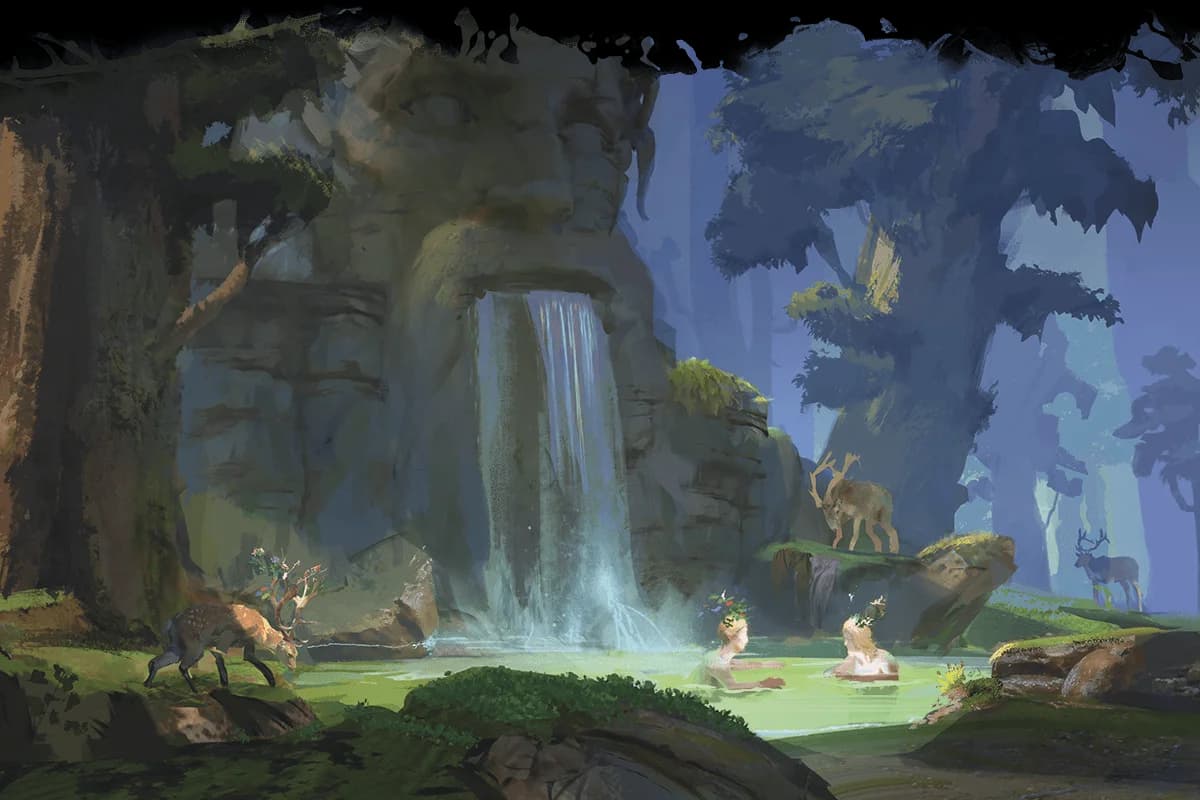
Enchanted Spring Effects
| d12 | Effect |
|---|---|
| 1 | Any creature that touches or drinks the water of this spring feels blessed. The creature gains the benefits of a bless spell for 1 hour. |
| 2 | Bathing in the spring covers a creature with a glowing coat of golden feathers. While the creature isn't wearing armor, the feathers grant a +1 bonus to AC. The feathers vanish after 1d4 days. |
| 3 | A creature that touches or drinks the water of this spring develops an overwhelming desire to sing. Every sentence the creature speaks for the next 24 hours rings with lyrical splendor, which grants it advantage on all Charisma checks. |
| 4 | Bathing in the spring grants a creature the benefits of the greater restoration spell. As a side effect, the creature's skin, hair, and eyes become a shimmering golden color for 1d4 days. |
| 5 | Bathing in the spring grants a creature the benefits of the spider climb spell for 24 hours. |
| 6 | A creature that touches or drinks the water of this spring grows the tail of its favorite animal. The tail is not under the creature's control; it moves or reacts to emotions. The tail vanishes after 24 hours. |
| 7 | Any creature with an Intelligence score of 6 or higher that touches or drinks the water of this spring gains advantage on Wisdom (Insight) checks and can cast the detect thoughts spell once, requiring no components. The effects of the spring fade when either the spell is used or 24 hours pass, whichever happens first. |
| 8 | Bathing in the spring causes 1d10 flowers to grow from a creature's head. The flowers smell lovely, and they renew their vitality and scent every day. The flowers vanish after 7 days. |
| 9 | A creature that touches or drinks the water of this spring grows 1d4 eyestalks. These eyestalks let the creature see in all directions and grant it advantage on Wisdom (Perception) checks that rely on sight. The eyestalks vanish after 1d4 days. |
| 10 | Bathing in the spring causes a creature's voice to sound sinister. For the next 24 hours, the creature's voice grants it advantage on Charisma (Intimidation) checks and disadvantage on Charisma (Deception) and Charisma (Persuasion) checks. |
| 11 | A creature that touches or drinks the water of this spring grows a set of donkey ears. The ears grant the creature advantage on Wisdom (Perception) checks that rely on hearing. The ears vanish after 1d4 days. |
| 12 | Bathing in the spring causes a creature to develop a third eye on its forehead. The eye grants the creature truesight out to a range of 60 feet. The eye vanishes after 24 hours. |
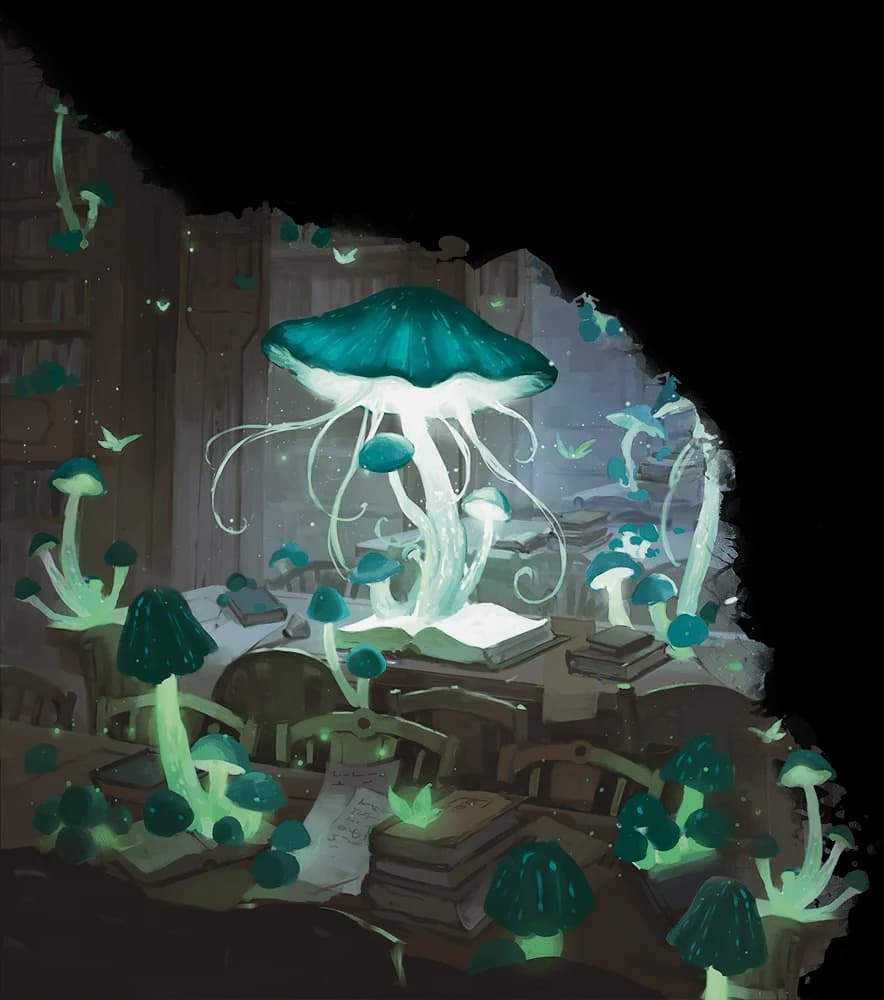
Magic Mushrooms
Mushrooms can be deadly, delicious, or both. Some have magical properties, especially those that grow in areas suffused by mystical energy, such as the Underdark and the Feywild.
Creatures proficient in the Medicine, Nature, or Survival skills might be versed on the subject of fungi, especially the magical kind, since the beneficial effects can save lives or bestow unusual powers. But when an unknown variety of fungus is encountered, only an expert can identify it and determine its properties.
To determine the effects of eating such fungus, roll on the Magic Mushroom Effects table.
Magic Mushroom Effects
| d10 | Effects |
|---|---|
| 1 | The creature's skin turns an unusual color. Roll a d4: 1, purple with yellow splotches; 2, bright orange with tiger stripes; 3, tree-frog green with red squiggles; 4, hot pink with yellow spots. This change is permanent unless removed by a greater restoration spell or similar magic. |
| 2 | The creature gains the enlarge or reduce effect (50 percent chance of either) of the enlarge/reduce spell for 1 hour. |
| 3 | The creature regains 5d8 + 20 hit points. |
| 4 | Vocally, the creature can only cluck and croon like a chicken. The creature can also understand and speak to chickens. This curse lasts for 1 hour unless ended by a remove curse spell or similar magic. |
| 5 | The creature can understand and speak all languages for 1d4 days. |
| 6 | The creature gains the benefits of the telepathy spell for the next 24 hours. |
| 7 | The creature gains the benefits of the speak with plants spell for 8 hours. |
| 8 | The creature immediately casts the time stop spell, requiring no components. Constitution is the spellcasting ability for this spell. |
| 9 | The creature immediately casts the detect thoughts spell, requiring no components. Constitution is the spellcasting ability for this spell. |
| 10 | Magical mists pour out of the creature's eyes and ears, acting as a fog cloud spell for 1 hour that is centered on the creature and moves with it. |
Mimic Colonies
Mimics imitate terrain and dungeon dressing to hunt for food. Rare specimens develop a deeper understanding of the world and can communicate with other creatures. In extremely rare cases, groups of these creatures band together, creating colonies. These bonded mimics cooperate to create larger objects than any lone mimic could approximate. A mimic colony can work together to form buildings, bridges, crystal formations, cliff faces, statues, and nearly anything it desires. Entire villages appearing out of nowhere might be composed of mimics!
Mimic Communication. Members of the colony develop telepathy and the ability to speak. While within 10 miles of the colony, any mimic can communicate telepathically with other creatures within 120 feet of it and can speak Common and Undercommon fluently (or two other languages of the DM's choice). The colony's offspring gain these abilities innately and can use them even away from the colony, as shown in the Juvenile Mimic stat block.
Confronting a Colony. A mimic colony's primary goal is survival. If threatened by a force the mimics can't overcome, they are willing to bargain. Mimic colonies have learned that adventurers they can't defeat can be bought off with information about nearby creatures or locations, hidden treasure (which the colony obtained from prior "food"), or even one of their own young.
If the colony's survival is threatened and it thinks it has a chance of surviving a fight, it can leverage its combined might using special lair actions. On initiative count 20 (losing all ties), the mimic colony takes a lair action, causing one of the following effects; it can't use the same effect two rounds in a row:
- The mimic colony chooses up to three creatures within 300 feet of it. Each target must succeed on a DC 15 Strength saving throw or have its speed reduced to 0 until initiative count 20 on the following round, as pieces of the environment grasp the target. If a target fails the save by 5 or more, it is restrained instead for that duration.
- The mimic colony uses the Help action, aiding a creature of its choice within 300 feet of it.
- The mimic colony chooses up to three creatures within 300 feet of it. Each target must succeed on a DC 15 Dexterity saving throw or take 13 (3d8) acid damage, as orifices appear on surfaces in the environment and launch caustic spittle.
- The mimic colony chooses a cube of nonmagical, inanimate material in physical contact with it. The cube can be up to 15 feet on a side. The colony reshapes that material however it likes. This transformation lasts for 1 hour.
When determining the difficulty of an encounter with a hostile mimic colony, consider the colony to be one additional creature of challenge rating 2.
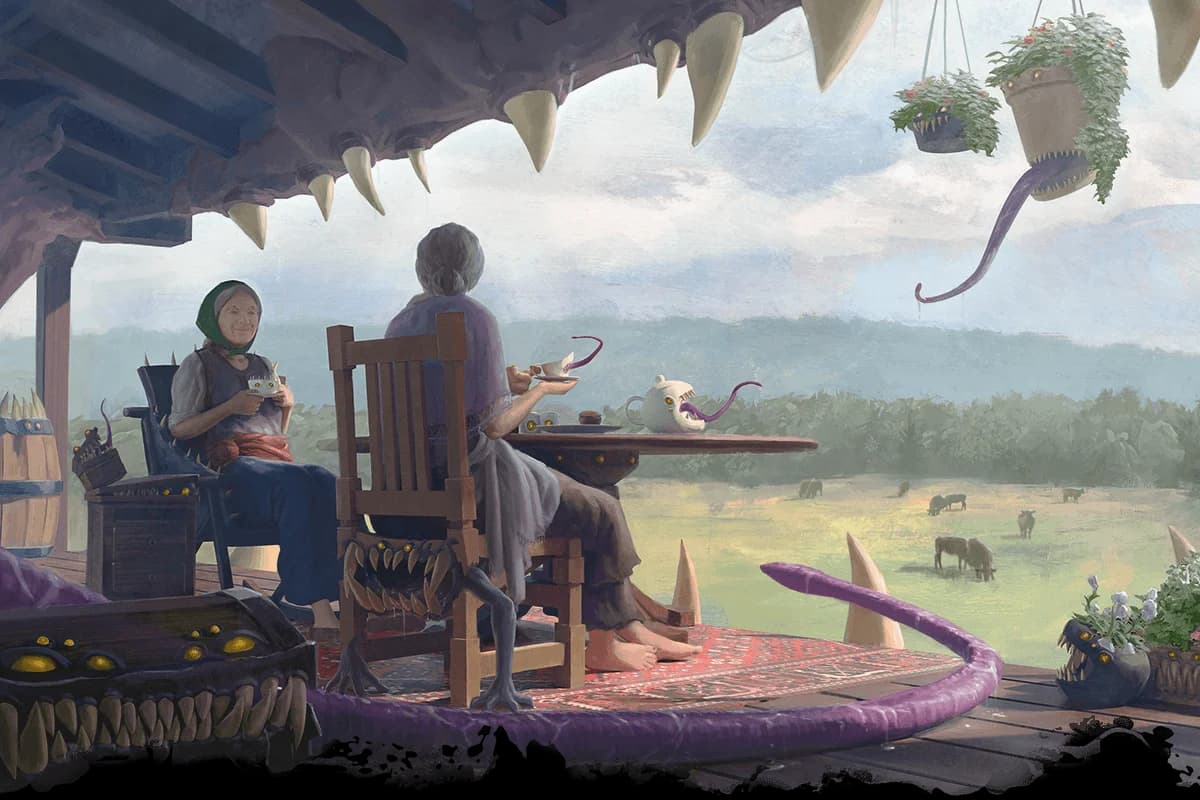
Primal Fruit
In wild places brimming with nature's power, gardens meticulously tended by eccentric wizards, and blessed groves touched by divine providence, plants can sometimes produce fruit bursting with primal magic. Not every fruit-bearing plant holds this stored magic, but those that do bear obvious signs: their colors are more vibrant or shift randomly, their skin sparkles in the light or glows in the dark, soft hums emanate from them, or they feel peculiar to the touch.
A fruit-bearing plant that is suffused with magic might produce 1d6 pieces of primal fruit every week. Primal fruit remains potent for 1 week, after which it loses its magical properties but remains edible.
As an action, a creature can eat a piece of primal fruit to gain its effects. This fruit can be squeezed into juice or cooked into a dish and retains its magic. Choose an effect or roll on the Primal Fruit Effects table to determine what happens when a piece of the fruit is consumed. An identify spell or similar magic reveals the beneficial effect of a piece of fruit before it is eaten, but it doesn't reveal a curse or side effect.
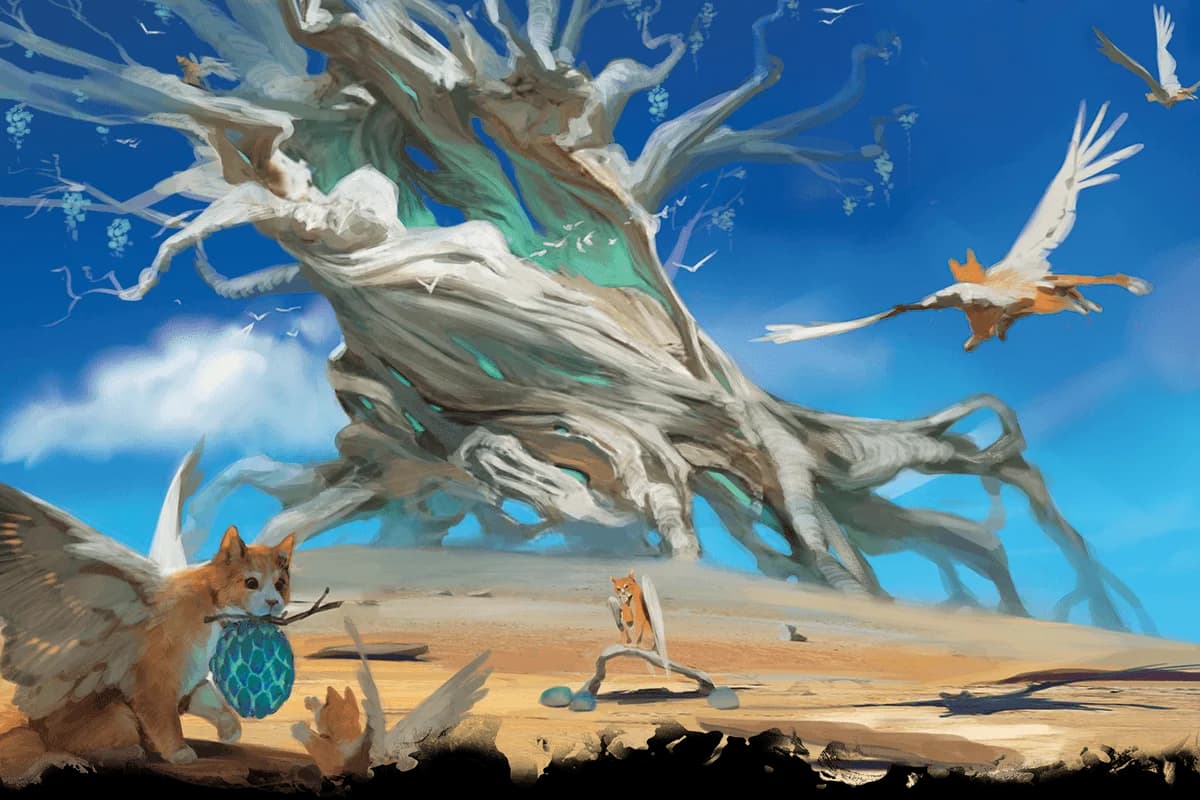
Primal Fruit Effects
| d8 | Effect |
|---|---|
| 1 | The creature regains 3d8 + 4 hit points, and its skin sheds bright light in a 5-foot radius and dim light for an additional 5 feet for 1 hour |
| 2 | The creature feels a surge of might. For 1 hour, the creature has advantage on attack rolls using Strength, Strength checks, and Strength saving throws. When the effect ends, the creature gains 1 level of exhaustion. |
| 3 | Waves of vitality crash over the creature. The creature's hit point maximum increases by 2d10, and it gains the same number of hit points. The increase lasts until the creature finishes a long rest, at which time the creature must succeed on a DC 15 Charisma saving throw or be cursed with a random form of lycanthropy (see "Lycanthropes" in the Monster Manual). |
| 4 | The creature's skin prickles faintly. For 1 hour, it gains resistance to one damage type (chosen by the DM). |
| 5 | Euphoric visions of bright light swim through the creature's mind. The creature gains the benefits of the death ward spell for 8 hours and must succeed on a DC 13 Constitution saving throw or be poisoned for the duration. |
| 6 | A faint humming drones in the background of everything the creature hears for 1 hour, during which the creature has advantage on saving throws against spells. |
| 7 | The creature doesn't require food, drink, or sleep for 1d4 days. For the duration, the creature can't be put to sleep by magic, and its dreams intrude upon its waking thoughts, imposing disadvantage on its Wisdom (Perception) checks. |
| 8 | Whispers intrude on the creature's mind for 24 hours. For the duration, the creature can telepathically communicate with any creature it can see within 120 feet of it. If the other creature understands at least one language, it can respond telepathically. |
Unearthly Roads
Currents of magic run through the world—invisible, artery-like networks that exert subtle influence and connect disparate lands. The greatest of these magical streams are persistent paths, often known by colloquial names or simply as unearthly roads. An unearthly road acts like a sort of planar portal that stretches from one place to another, be they sites on the same world or on different planes of existence. Unearthly roads allow creatures to cross great distances rapidly, moving from an entrance gate to an exit gate or visa versa. These paths operate like long tunnels, and a creature that travels on an unearthly road progresses 21 miles of distance in the time it would normally take it to travel 1 mile. While on the road, glimpses of the world beyond might be visible in blurred or distorted visions of scenery or especially prominent landmarks. Creatures or specific details are not visible beyond an unearthly road.
Some unearthly roads serve as trade routes or secret connections between distant lands. Others shift locations at noteworthy times or in response to external phenomena, like on specific anniversaries or in response to the phases of the moon. Some might also require a particular item, ritual, or action to open their gates. The Unearthly Road Keys table offers suggestions on how to enter an unearthly road.
Unearthly Road Keys
| d6 | Key |
|---|---|
| 1 | Throwing a silver orb through an ancient arch |
| 2 | Spilling a pint of humanoid blood |
| 3 | Calling the name of a specific archfey three times |
| 4 | Wearing the regalia of a lost royal dynasty |
| 5 | Permanently sacrificing a memory of joy |
| 6 | Being the descendant of a legendary hero |
Natural Hazards
Even without the threats of supernatural environments, the world is a dangerous place. The following natural hazards expand on those presented in the Dungeon Master's Guide.
- Avalanche
- Falling into Water
- Falling onto a Creature
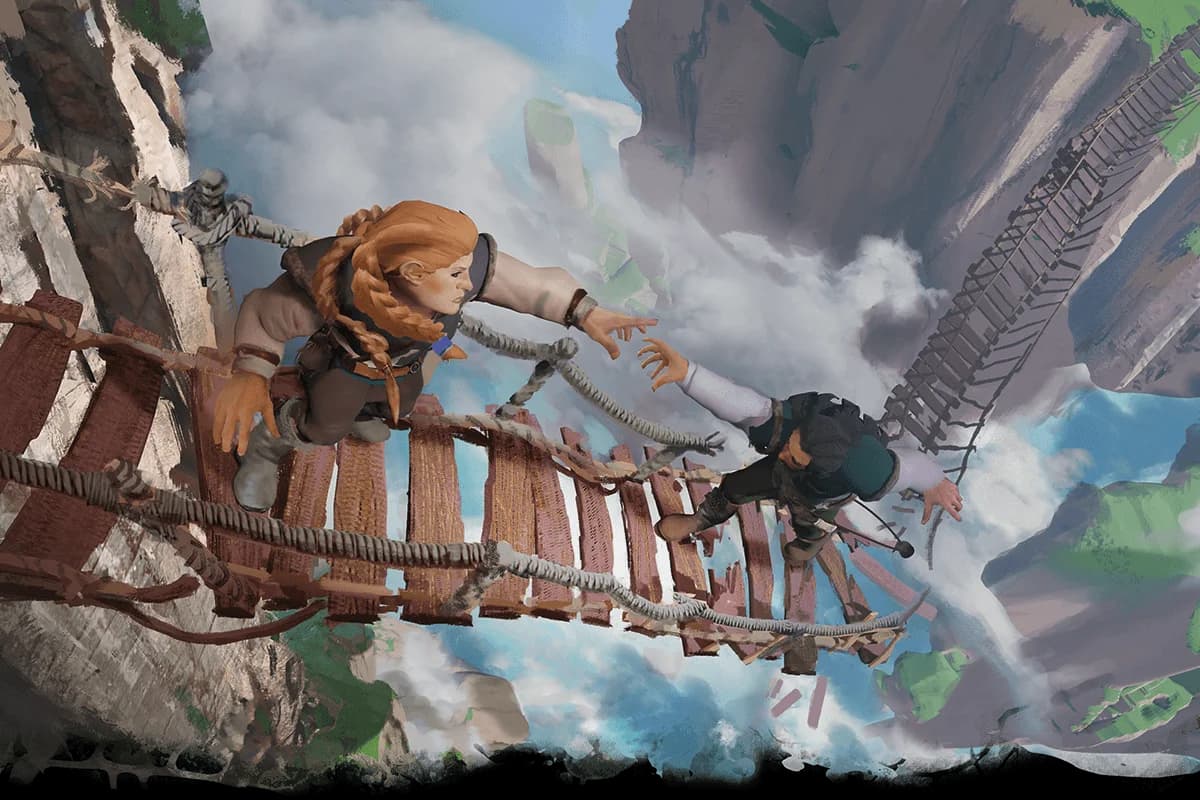
Spell Equivalents of Natural Hazards
Numerous spells emulate the wrath of nature, and you can use spell effects to represent a variety of natural hazards. The Spells as Natural Hazards table presents some common environmental dangers and the spells you may use to approximate them.
Spells as Natural Hazards
| Natural Hazard | Approximate Spell |
|---|---|
| Ball lightning | Chromatic orb |
| Blizzard | Cone of cold, ice storm, sleet storm |
| Earthquake | Earthquake |
| Falling debris | Conjure barrage, conjure volley |
| Flood | Control water, tsunami |
| Fog | Fog cloud |
| Lava bomb | Fireball, produce flame |
| Lightning | Call lightning, lightning bolt |
| Meteor | Fireball, meteor swarm |
| Mirage | Hallucinatory terrain |
| Pyroclastic flow | Incendiary cloud |
| Radiation | Blight, circle of death |
| Smoke | Fog cloud |
| St. Elmo's fire | Faerie fire |
| Swamp gas | Dancing lights |
| Tidal wave | Tsunami |
| Toxic eruption | Acid splash |
| Toxic gas | Cloudkill, stinking cloud |
| Thunder | Thunderwave |
| Volcanic lightning | Storm of vengeance |
| Whirlpool | Control water |
| Wildfire | Fire storm, wall of fire |
| Windstorm | Gust of wind |
Puzzles
Why create a solvable puzzle? Just pose an enigmatic question without an answer and watch your trespassers squirm!— TashaDevious traps and multifaceted mysteries might be staples of fantasy adventures, but they're not the easiest challenges for a DM to present on the fly. This section presents a selection of puzzles designed to invite group participation and challenge adventurers of any stripe—from genius scholars to martial masters. Each puzzle is flexible enough to be included in your campaign as presented or customized to fit the needs of a specific adventure.
Why Use Puzzles?
Puzzles provide exciting opportunities to use wit to overcome obstacles and allow characters to collaborate to make discoveries. You might add a puzzle to an adventure for any of the following reasons:
- To encourage a party to discover information through teamwork
- To provide an opportunity for characters to use their skills in uncommon ways
- To make a setting feel more whimsical, mysterious, or otherworldly
- To explain why no one has ever discovered something hidden close at hand
- To reveal a secret no one knows and magic can't reveal
Some puzzles can take considerable time to solve, so be mindful of how often you use them in your adventures. Remember, most puzzles don't need to be solved immediately, and they might be all the more satisfying if their riddles linger unresolved for multiple sessions.
Puzzle Elements
Text that appears in a box like this is meant to be read aloud or paraphrased for the players when their characters first arrive in a location with a puzzle or when otherwise noted.
Additionally, the following sections appear in each puzzle:
- Difficulty. Each puzzle is classified as easy, medium, or hard. The harder the puzzle, the more likely the players will need hints to solve it.
- Puzzle Features. This section presents an overview of the puzzle's features and how they can be interacted with.
- Solution. This section explains how the puzzle is solved.
- Hint Checks. This section suggests hints that characters might use their skills to reveal. Provide one or more of the hints if the characters get stuck. If a character has proficiency in a hint's associated skill, give them that hint if they ask you for help.
- Customizing the Puzzle. This section explores how to integrate the puzzle into your adventures, alter its difficulty, or make other adjustments.
Hints
If players request a hint while attempting to solve a puzzle, consult that puzzle's "Hint Checks" section. Each hint is associated with a skill and a DC. If a character in the party has proficiency in a skill related to a hint, share that hint with them. If the same skill is listed multiple times with the same or higher DCs, reveal hints with the lowest DCs first then hints with higher DCs if the group requests additional help.
If no character has proficiency in any of the listed skills, characters can make ability checks using the listed skills and DCs. Those who succeed on a check learn the associated hint.
Don't hesitate to reveal hints to the party. Hints provide characters with relevant skills the opportunity to shine, even if they're not usually particularly cunning. Additionally, if party members have backgrounds or campaign experiences that might tie into a puzzle, those make great reasons to provide characters with additional hints.
Running Puzzles
Once you've presented a puzzle to a group, feel free to add and clarify details as you would in any other type of encounter. Try not to give away details of the puzzle's solution in your descriptions, but there's nothing wrong with letting a hint slip here or there.
Don't worry whether it's a player or a character who's solving a puzzle. While hint checks provide a way for character experience to contribute to a puzzle's solution, ultimately the boundaries between a player's and a character's ability to solve a puzzle isn't as important as the group enjoying the challenge. However, if a player knows the answer to a puzzle in advance, urge them to share only hints their character learns.
After presenting a puzzle, encourage the party to solve it together, to pool hints, and to share their insights. Work with the group to share any puzzle handouts and to take turns talking through their thoughts. Ultimately, solving a puzzle will be a victory for the whole group, not one individual.
Creature Paintings
Difficulty: Easy
This short puzzle works anywhere that makes sense for characters to peruse several paintings, such as in a museum or manor. These paintings could even appear in a sketchbook found in a dusty old drawer. This counting puzzle leads to a name of a creature.
Fit this into your campaign by making the name of the creature the first item on a scavenger hunt or the first clue in a larger mystery.
This gallery is decorated with seven framed paintings of creatures. A few chairs and benches have been placed in front of the art for viewing.
A plaque mounted on one of the walls bears the following dedication: "In order to gain all knowledge, one must know where to start. Count on your enemies to reveal the source of the secret. This room is dedicated to the defeat of all monsters within."
Characters should be free to explore the gallery and inspect the paintings and dedication to discover the parts of the puzzle.
Puzzle Features
There are seven paintings on the walls. The paintings feature a gruesome werewolf under a full moon, a trio of gnolls fighting over a spear, a grinning beholder, two trolls sitting under a tree, five kobolds around a bonfire, two gelatinous cubes patrolling a dungeon corridor, and three dragons in flight.
Solution
Each painting features a number of creatures of a particular kind, as summarized in the Creature Paintings table. Counting into each creature's name by the number of creatures in the painting reveals a letter. When unscrambled, the letters spell out "owlbear." Characters are likely to reveal these letters in random order. Arranging them in the correct order is part of the puzzle.
Creature Paintings
| Painting | Number | Letter |
|---|---|---|
| Gnolls | 3 | O |
| Werewolf | 1 | W |
| Kobolds | 5 | L |
| Beholder | 1 | B |
| Gelatinous Cubes | 2 | E |
| Dragons | 3 | A |
| Trolls | 2 | R |
Significance of "Owlbear"
This puzzle's solution, "owlbear," might be the passphrase to bypass a future trap or unlock a magically sealed door. It might also be a clue that points to a hidden treasure. For example, there might be a stuffed owlbear in another room that has treasure hidden inside it.
Hint Checks
Any character has the option of making these ability checks to receive a hint:
Intelligence (Investigation) DC 10. The character deduces that the number of creatures in a painting is important and uses that number to determine which letter of the creature's name they should review.
Wisdom (Perception) DC 10. When looking at the dedication, the words "count on" alert the character that they should count the creatures.
Customizing the Puzzle
You can replace the monsters in the artwork with distinctive objects, members of obvious professions, and anything else that might logically be in a group. Then, follow the letter-counting method detailed in this puzzle to determine how many subjects should feature in each piece of art.
Reckless Steps
Difficulty: Easy
This puzzle features a word search on floor tiles, which might present a barrier to exploration in myriad scenarios. To cross safely, characters must first uncover what words they're searching for and then find them in the tiles.
You enter a cobweb-filled room lit by torches on opposite walls. Dust on the floor has collected in grooves that cover rows of five-foot-square tiles. On the opposite wall, a solitary arch leads from the room. One wall bears the following inscription:
Eight appear before your eyes,
And eight remain in schooled disguise.
Avoid all magic in this room,
Lest reckless steps ensure your doom.
The tiles covering the floor of this room each bear a single letter written in the Common alphabet, making the room a giant word search. Traps beneath many of the tiles threaten those who move through the room heedless of the hidden words.
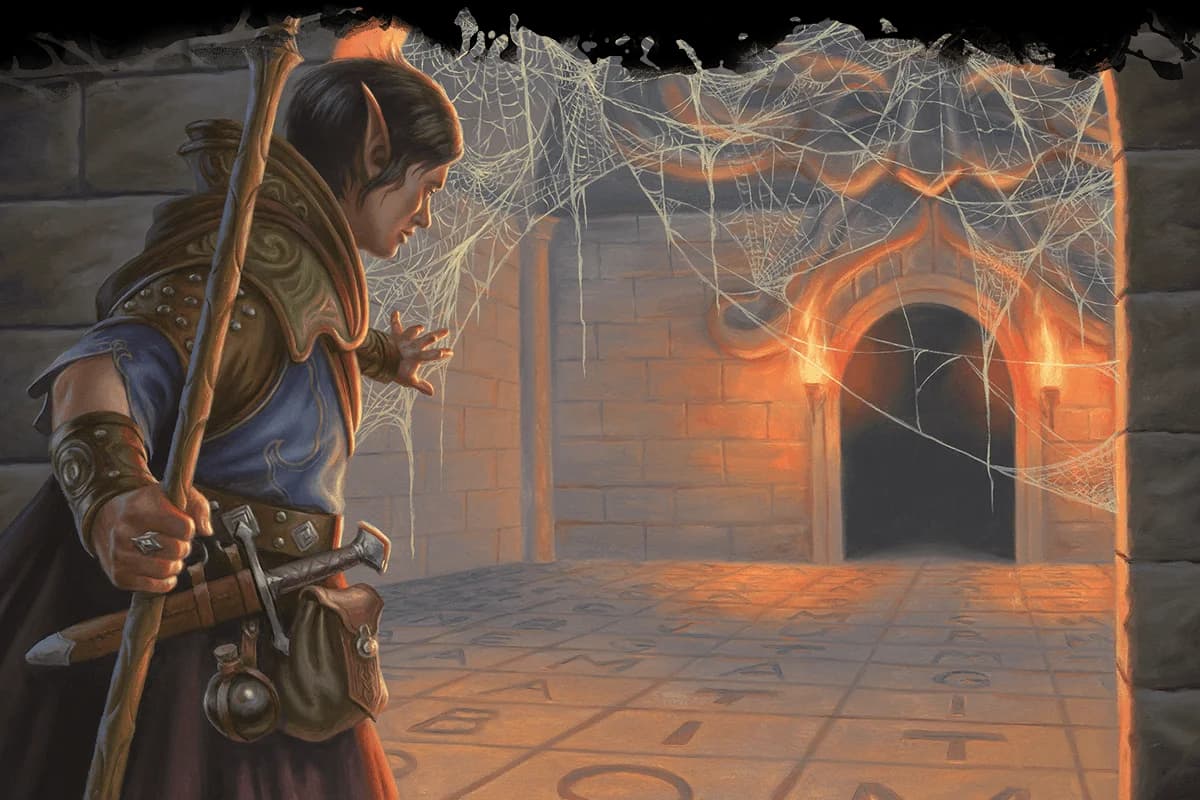
Puzzle Features
The floor of this 60-foot-by-70-foot room is made of 5-foot-square stone tiles laid out in a grid. Each tile has a letter chiseled into it, as shown in puzzle handout 1 at the end of this chapter. Place a copy of the handout for this puzzle on the table, and allow players to use miniatures to show how their characters navigate the room.
To safely walk across the room, a character must step on the correct tiles. Stepping on an incorrect tile sets off a trap.
Traps
Certain tiles (as indicated in this trap's "Solution" section) are trapped. A trapped tile is triggered when more than 20 pounds of weight are placed on it, activating the pressure plate underneath and causing jets of poisonous gas to spout from the cracks between the tiles. Any creature above the trapped floor tile or one of its adjacent tiles must make a DC 15 Constitution saving throw, taking 11 (2d10) poison damage on a failed save, or half as much damage on a successful one.
As an action, a character can disable a trap with a successful DC 15 Dexterity check using thieves' tools. If a character fails to disable the trap, the tile's trap can no longer be disabled.
Characters can attempt to jump over trapped tiles, using the jump rules in the Player's Handbook.
Solution
The only safe tiles for characters to step on are the ones with the faded black letters in diagram 4.1. Red letters spell out either "magic" or one of the schools of magic: abjuration, conjuration, divination, enchantment, evocation, illusion, necromancy, and transmutation. Stepping on one of these tiles triggers a poison trap, as described earlier.
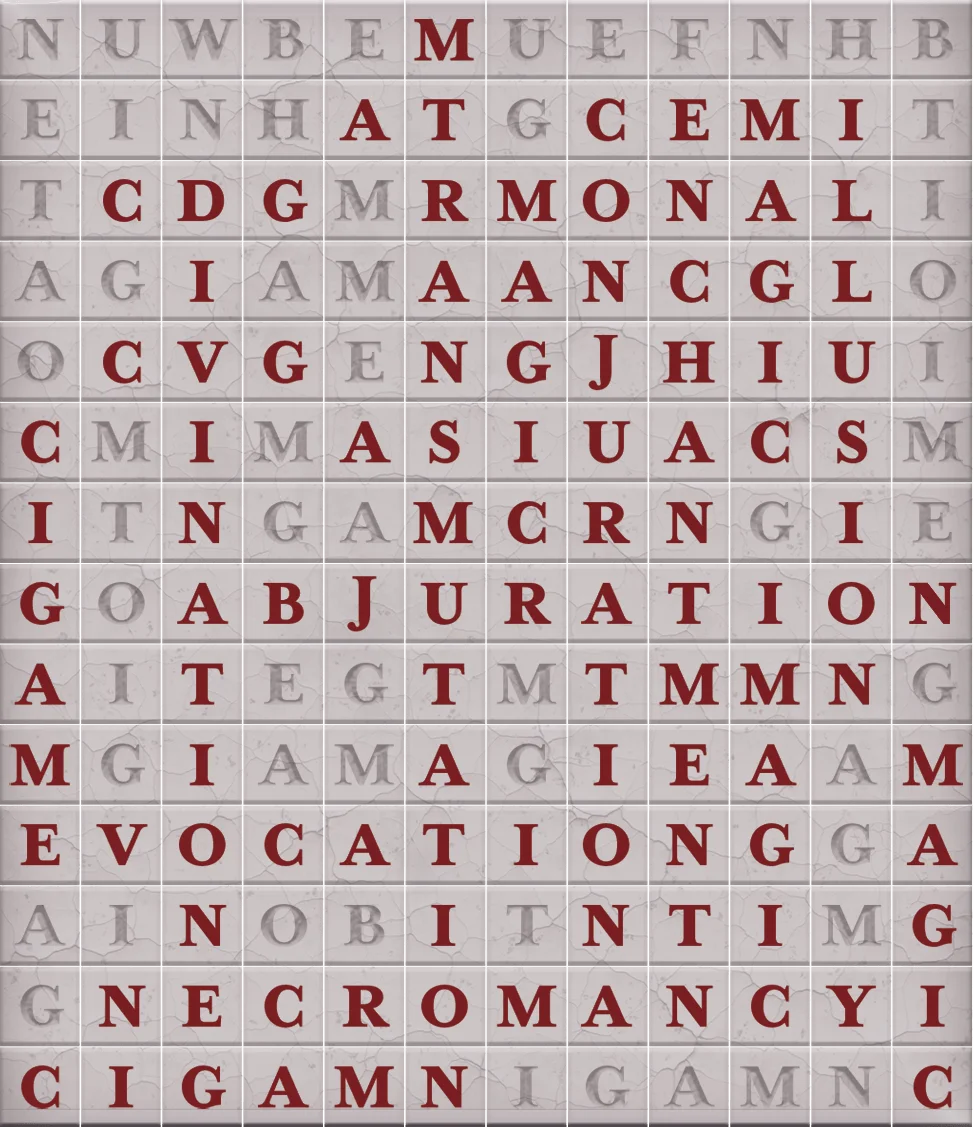
Hint Checks
Any character has the option of making these ability checks to receive a hint:
Intelligence (Arcana) DC 10. The character sees one instance of a school of magic on the floor.
Intelligence (Investigation) DC 10. The character interprets the clue in the wall verse: there are eight schools of magic.
Wisdom (Perception) DC 10. Each character who succeeds on this check sees an instance of the word "magic" in the floor.
Customizing the Puzzle
Consider using this puzzle's structure to create any number of thematic word searches hiding deadly traps. Once you've created a hint suggesting what types of words to look for, it's a simple matter to create your own grid of hidden words.
Raising the Difficulty
You can increase this puzzle's difficulty by changing the word search's letters to use another alphabet, such as those presented in the Player's Handbook. Alternatively, you can create an entirely new code to replace the letters, requiring the characters to find a cipher to reveal the tiles' meanings before they can undertake the puzzle and cross the room safely.
You can also increase the difficulty by introducing trap variants, as described below.
Trap Variants
Rather than have the same poison gas trap on every trapped tile, each word can have a distinct trap associated with it, as described below:
- Magic. The trap triggers normally, as described in this puzzle's "Traps" section.
- Abjuration. The trap casts dispel magic on each creature in the room, using a 9th-level spell slot.
- Conjuration. The trap teleports the creature that triggered it back to the entrance of the room. That creature must also make a DC 15 Constitution saving throw, taking 11 (2d10) force damage on a failed save, or half as much damage on a successful one.
- Divination. The creature that triggered the trap must succeed on a DC 15 Intelligence saving throw or be unable to perceive any of the letters on the tiles by sight or touch. Any magic that ends a curse ends this effect on the character. A player whose character is affected by this trap should not be allowed to reference the accompanying player handout until the effect on that character ends.
- Enchantment. The trap casts suggestion (save DC 15) on the creature that triggered it. On a failed save, a gentle voice only the creature can hear tells it to move 5 feet in a random direction. This movement might cause it to trigger another trap.
- Evocation. Magical fire erupts from the trapped tile. The creature that triggered this trap must succeed on a DC 15 Dexterity saving throw, taking 11 (2d10) fire damage on a failed save, or half as much damage on a successful one.
- Illusion. A suit of animated armor appears in an unoccupied space within 5 feet of the creature that set off this trap. The armor attacks only the creature that summoned it and can't leave the room. It doesn't set off any of the room's traps and disappears if it takes any damage. Otherwise, it lasts for 1 minute.
- Necromancy. Any creature that triggers this trap hears a banshee's wail in its mind. Unless the creature is a construct or undead, it must succeed on a DC 13 Constitution saving throw. On a failure, the creature drops to 0 hit points. On a success, it takes 10 (3d6) psychic damage.
- Transmutation. The trap casts polymorph (save DC 15) on the creature that triggered it. On a failed save, the creature turns into a giant frog.
Skeleton Keys
Difficulty: Easy
This puzzle presents a quick encounter useful for providing treasure or information. It features a box with four locks.
You come upon a sinister metal box with an iron lock built into each of its four sides. Each lock sports a keyhole with a sculpted image above it. Four iron keys hang from hooks on a nearby wall, and each key has a different number of teeth. Above the keys, the following verse has been etched into the wall:
The spells on these locks are all the same.
Though each possesses a unique name.
Count on your answer to unlock the way,
But use the wrong key to your dismay.
All four locks must be opened before the box's contents (whatever they might be) can be accessed.
Puzzle Features
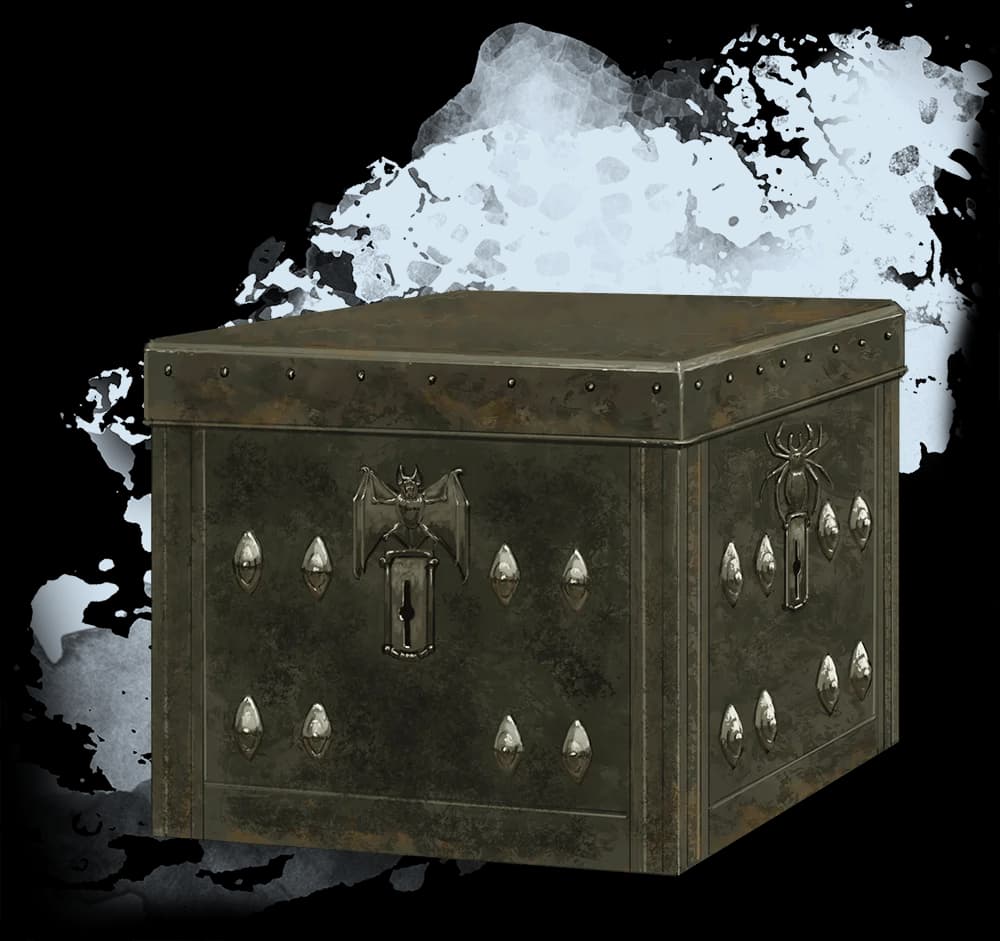
Show the players puzzle handout 2 (see the end of this chapter) when their characters examine the keys. Each key has a different number of teeth: six, five, four, and three, respectively.
Each lock has a creature molded in iron above it: a bat, snake, spider, or wolf, respectively. These locks can't be picked. If anything other than the correct key is placed inside a lock, creatures corresponding to the image above the lock (1d4 giant bats, 1d4 giant poisonous snakes, 1d4 giant wolf spiders, or 1d4 wolves) are summoned into the room. Each summoned creature is hostile and disappears after 10 minutes or when reduced to 0 hit points. These beasts can't be charmed or frightened.
Solution
Once the characters identify the creature depicted above each lock, they should count the letters in each creature's name. The number of letters in a creature's name corresponds to the number of teeth on the correct key, as shown in the Skeleton Keys Solution table.
Skeleton Keys Solution
| Lock | Key |
|---|---|
| Bat | Three teeth |
| Snake | Five teeth |
| Spider | Six teeth |
| Wolf | Four teeth |
Hint Checks
Any character has the option of making these ability checks to receive a hint:
Intelligence (Nature) DC 10. The character knows that "natural" knowledge about bats, snakes, spiders, and wolves in general won't help here.
Wisdom (Perception) DC 10. The character realizes that the keys' skull-shaped heads are all the same and probably have no bearing on the puzzle's solution.
Customizing the Puzzle
The focal parts of this puzzle are the locks and keys, not the chest. You could easily convert this puzzle to feature any types of locks, be they on doors, cells, books, or some more esoteric barrier.
Beyond the form the locks and keys take, you might also consider adjusting the creatures depicted with each lock to suit your adventures. Just keep in mind that the number of teeth on each key must match the number of letters in your substitutions, and those substitutions should be things the characters can identify.
Raising the Difficulty
Rather than associating each lock with a particular image of a creature, consider presenting a riddle alongside each lock. The answer to each riddle should be the related creature's name, allowing characters to match the riddles' answers to the proper keys.
All That Glitters
Difficulty: Medium
This gem-filled room can be placed in any dungeon, estate, or building with multiple rooms and might serve as both a trap and a place to obtain a reward.
Dozens of gems lie strewn upon the floor. Amid the treasure stands a marble statue with its hands clasped in front of it. A placard at the statue's base reads, "Only one treasure may leave this room. Cross with another and find your tomb."
Puzzle Features

The statue, which is impervious to damage, depicts Ioun or some other god of knowledge or order. Any character who succeeds on a DC 10 Intelligence (Religion) check can identify the figure being depicted.
Diamond
Between the palms of the statue's clasped hands is a diamond, which can only be found and retrieved once the puzzle is solved. Once the characters solve the puzzle, the statue's hands open, allowing the diamond to be taken. Upon breaching the threshold of the room with the diamond, a trapped soul in the form of a friendly, thankful spirit is released. The spirit leaves to pursue its own goals, and the diamond is left behind as a reward. The diamond is worth 5,000 gp.
Gemstones
An inventory of the room reveals the following gemstones scattered across the floor: eighteen pieces of jade, sixteen onyxes, fourteen amethysts, thirteen sapphires, twelve rubies, nine pieces of amber, eight citrines, five garnets, and one piece of quartz.
If a creature attempts to leave the room with any of these stones, the gem disappears and an angry spirit trapped inside it is released. The spirit manifests as a hostile undead creature of your choice, such as a ghost, specter, or skeleton. When this creature is reduced to 0 hit points, its form dissipates, leaving no trace of itself behind.
Named Spirits
Characters hear each spirit whisper its name before it dissipates. The names themselves are not important, other than they must start with the appropriate letter of the alphabet.
The following list provides names for all the imprisoned spirits, each name starting with the letter associated with the spirit's gemstone prison:
- Quartz. Antonio
- Garnet. Ella, Ethan, Ember, Edwina, Ernest
- Citrine. Hobert, Holden, Hilda, Haddon, Hugo, Hera, Hessy, Hemma
- Amber. Ivy, Iris, Ian, Idris, Iggy, Imelda, Ice, Innis, Isabella
- Ruby. Lou, Leela, Lowan, Lannis, Lake, Luke, Leila, Leean, Luna, Luvia, Lee, Leira
- Sapphire. Mona, Maethius, Merry, Moon, Medea, Martha, Marni, Moen, Mava, Moloth, Mo, Mia, Miranda
- Amethyst. Nox, Neville, Norman, Ned, Nadia, Nian, Nero, Nick, Narice, Nava, Nia, Nicol, Nestor, Nera
- Onyx. Paul, Pam, Pluck, Petra, Pax, Pia, Paden, Po, Pacey, Pima, Peck, Pablo, Piers, Pom, Peleg, Peet
- Jade. Ren, Ryannis, Rue, Romag, Redd, Remy, Ria, River, Rhonda, Resta, Rhys, Ron, Ricker, Rey, Ro, Rowan, Regan, Rhiannon
Solution
An inventory of the room reveals gemstones in the amounts shown in the Gem Inventory table. The table lists the gems in alphabetical order, but you should list them in any other order when describing them to players so not to accidentally give away a hint.
Each type of gem is associated with a letter of the alphabet, and each gem's letter is revealed by counting into the alphabet by a number of letters equal to the number of gems of its type. For example, there is one piece of quartz, so "quartz" corresponds to the first letter of the alphabet (A), while there are fourteen amethysts, so "amethyst" corresponds to the fourteenth letter of the alphabet (N).
Gem Inventory
| Gem | Amount | Letter |
|---|---|---|
| Amber | 9 | I |
| Amethyst | 14 | N |
| Citrine | 8 | H |
| Garnet | 5 | E |
| Jade | 18 | R |
| Onyx | 16 | P |
| Quartz | 1 | A |
| Ruby | 12 | L |
| Sapphire | 13 | M |
Once the gems are sorted by type and alphabetized, characters can count into the alphabet by how many of each are in the room to reveal the words "in her palm." When a character speaks this phrase aloud, the statue's folded hands open, revealing the previously hidden diamond.
Hint Checks
Any character has the option of making these ability checks to receive a hint:
Intelligence (Arcana) DC 15. The character can determine that there are spirits imprisoned in the gemstones scattered on the floor.
Intelligence (Religion) DC 10. The character knows that the statue represents a god of knowledge and order, and the character has a strong feeling that the order of the gems in the room is important.
Wisdom (Insight) DC 10. The character senses that the number of each type of gem isn't arbitrary.
Customizing the Puzzle
This puzzle explores how to use groups of objects to disguise a message. So long as your groups can be arranged in a logical order (like the gems being arranged alphabetically in this puzzle), all you must do is adjust the number of items to correspond to a particular letter of the alphabet. Alternatively, perhaps another organizing principle orders your groups. For example, tombstones that feature varying numbers of skulls might be arranged by dates, while stacks of books might be ordered by shared page-counts. These details can be easy to miss, though, so make sure you present a riddle or other signpost to make sure your players notice there's a puzzle at hand.
Lowering the Difficulty
To make the puzzle easier to solve, a spirit can provide a hint in addition to giving its name. Coaxing a hint from a spirit requires a successful DC 15 Charisma (Persuasion or Intimidation) check. Consider hints like "A is the first letter in the alphabet" and "The gemstones, in order, will help for a spell."
Releasing the Spirits
If the characters don't attempt to remove gems from the room, or if they spend too long deliberating, create a new trigger to release the spirits. For example, perhaps a spirit is released if a character places a gem near the statue or if it's held for too long.
Eye of the Beholder
Difficulty: Medium
This map puzzle is designed to lead a party through a dungeon where a roaming beholder doesn't wish to be disturbed. A series of clues tie to the word "eye," and the characters must determine how to get through the area safely.
A disorienting wave sweeps over you. Suddenly, your surroundings are unfamiliar and shrouded in shadows.
Out of the gloom appears a hooded goblin carrying a lantern.
"Hello, friends!" the goblin says. "I can help you through these parts—if you can figure out my riddles. You don't want to make a wrong turn in here, as there are eyes everywhere. Solve the riddles and follow my directions to the letter."
The goblin is friendly, and its offer is genuine. It's name is Igor (pronounced eye-gor), which it reveals only if asked. The characters find themselves in a maze that emits magical darkness that can't be dispelled. No vision can penetrate this darkness, and only the goblin's lantern can illuminate it. Igor's lantern emits light in a 5-foot radius, but only so long as the goblin holds it. The lantern goes dark if any other creature takes custody of it.
Puzzle Features
The magical maze the characters find themselves in is comprised of an endless series of identical chambers. Each chamber has four passages, one at each cardinal direction. The goblin guide poses riddles that can lead the party along the path that ultimately exits the maze. Each time the party moves through the correct passage and enters a new room, the goblin provides them with a new riddle that hints which direction to travel in next. If they make an error, the characters encounter a monster of your choice and then must backtrack from their last correct turn. After three wrong turns, the party encounters the beholder.

Hallways
The halls of this maze are 60 feet long and 10 feet wide. If the characters move away from the guide during combat or for any other reason, the goblin encourages them to follow him back to the last correct turn.
The Goblin's Riddles
Upon meeting the characters (and to discourage them from attacking), the goblin makes it clear there is no way out of the maze without his help. Characters can determine that the goblin is sincere in wanting to help with a successful DC 10 Wisdom (Insight) check.
Once the goblin has the characters' attention, it provides the first riddle, then waits for the party to venture down a passage of its choice. The goblin stops at each intersection and either provides the next riddle (if the party chose the correct path) or avoids the monster the group encounters (if the party chose the incorrect path), leading the characters back to the last correct chamber along the path after any battle.
The goblin's riddles (and their answers) are as follows:
- What beast has the sharpest eye? (Eagle)
- Threads get pulled through the eye of what? (Needle)
- What is the eye to the soul? (Window)
- Whose eye matters to a witch's brew? (Newt)
- This eye curses you with misfortune. (Evil)
- This eye brings a temporary calm. (Storm)
- Roll a one on a six-sided die. Roll another and get the same. Take both together, and what's their name? (Snake eyes)
Solution
The answer to each riddle begins with a letter indicating the direction of the path the characters should follow next. The path provided by the riddles' answers takes the following route: east, north, west, north, east, south, south. This path leads the characters through some chambers more than once, which is a necessary part of the magic that will allow them to escape.
Hint Checks
Any character has the option of making these ability checks to receive a hint:
Charisma (Persuasion) DC 15. The goblin provides a hint in the form of a synonym of the riddle's answer (for example, "lizard" for "newt").
Intelligence (Investigation) DC 10. After a few riddles are answered correctly, a character notices that all the answers relate to eyes.
Wisdom (Insight) DC 15. After one or more correct answers are given, the character realizes that each answer corresponds to a cardinal direction.
Customizing the Puzzle
The characters can easily persuade the goblin to join their party. What other secrets does the goblin know? Does he have an agenda for helping the characters find their freedom? And why has he lingered in the maze if he knows the way out? There might be more to this guide than meets the eye.
Four by Four
Difficulty: Medium
This puzzle is easily situated in a dungeon, a dusty mausoleum, or an abandoned shrine.
You enter a dimly lit chamber. Nine dwarf skulls rest near a four-foot-square set of tiles in the floor, and carved into a nearby stone altar is the following inscription:
Brave warriors met their demise foretold.
Their secret kept shall yet unfold.
If crowns placed correctly on the shrine,
Celestial beds for four of nine.
Solving this puzzle causes a secret compartment in the altar to open, revealing treasure hidden within. The compartment can't be opened in any other way.
Puzzle Features
Nine dwarf skulls rest near a grid of 1-foot-square tiles, as shown in puzzle handout 3 (see the end of this chapter). Columns and rows in the grid are labeled with the markings I, II, or III.
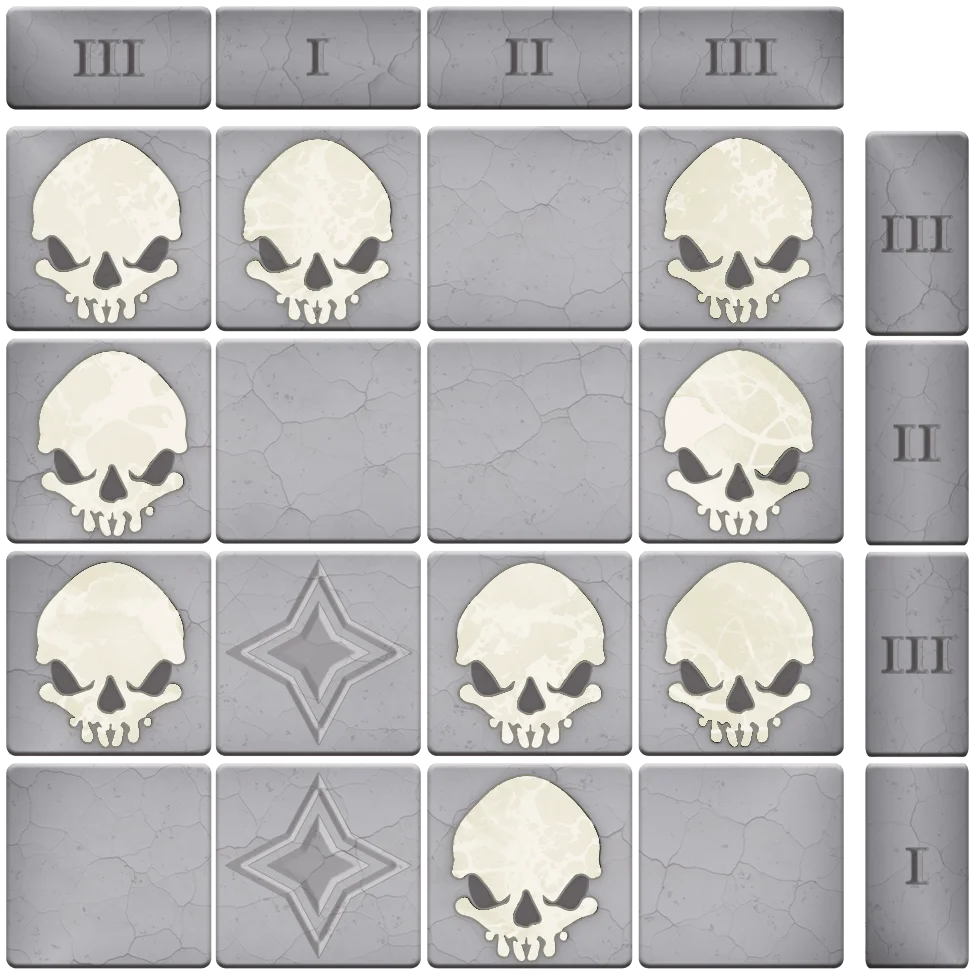
Solution
The numbers labeling each row and column denote how many skulls belong within. Characters must place the skulls so that the correct number of skulls appear both in the rows and columns, while still covering four of the stars. This puzzle has multiple possible solutions, with one shown in diagram 4.2.
Hint Checks
Dwarf characters have advantage on ability checks to gain hints in this room. Any character has the option of making these ability checks to receive a hint:
Intelligence (Investigation) DC 15. The verse indicates to the character that four of the skulls need to rest on tiles engraved with stars.
Wisdom (Insight) DC 15. The I, II, and III markings around the edge of the grid likely denote how many skulls must be placed in those rows and columns.
Customizing the Puzzle
If one of the characters is a dwarf, this might be the perfect time to bring in a familial storyline. Are these the skulls of their long-lost clan? Does one of the skulls belong to a relative that they have been seeking? And what do they think the puzzle is implying with only four of the nine skulls receiving "celestial beds"?
Illusive Island
Difficulty: Medium
Three numerical dials seal a box, door, or other locked object. Figuring out the correct combination is the goal of this puzzle, as there are no visible locks to pick.
Puzzle Features
The numbers the dials are originally set to don't matter. If the players ask, choose any three digits you please.
A corked wooden tube contains two clues: a map of an island and a set of directions.
Map
Give the players a copy of puzzle handout 4 (see the end of this chapter). This map depicts an unfamiliar island with various landmarks but no key.
Directions
The directions are written on a single sheet of parchment and recount the route a group took in their search for treasure:
Day 1. Our search for the lost treasure began at the northwest inlet, Windstaff Cove. After unloading our necessities, we traveled east to Lone Pine, then southwest past Northridge to the Palms Oasis. As evening approached, we continued southeast to Anchor Point, then camped in the Great Dunes.
Day 2. In the morning, we arose at the Dunes and headed to Deadman's Cave. After finding it empty, our party continued to the Golden Ziggurat. Heading due east, we made camp at the Swirling Sands.
Day 3. After a strange night's sleep, we awoke on the third day back at Anchor Point with no memory or trace of traveling there. The Swirling Sands must have taken us in the night! We skirted the Swirling Sands to reach the Red Tower but still couldn't find the treasure. Thinking that we may have overlooked something in the cave, we headed back. From there, we headed to the southern coast to see if the treasure was at Kraken Point. Finding nothing, we returned to Anchor Point. What awaited us there was unlike any treasure we'd imagined.
Solution
Characters who follow the directions and trace their paths on the map reveal three numbers: 3, 4, and 8 (see diagram 4.3). Turning the dials to these numbers in the same order opens the locked object.
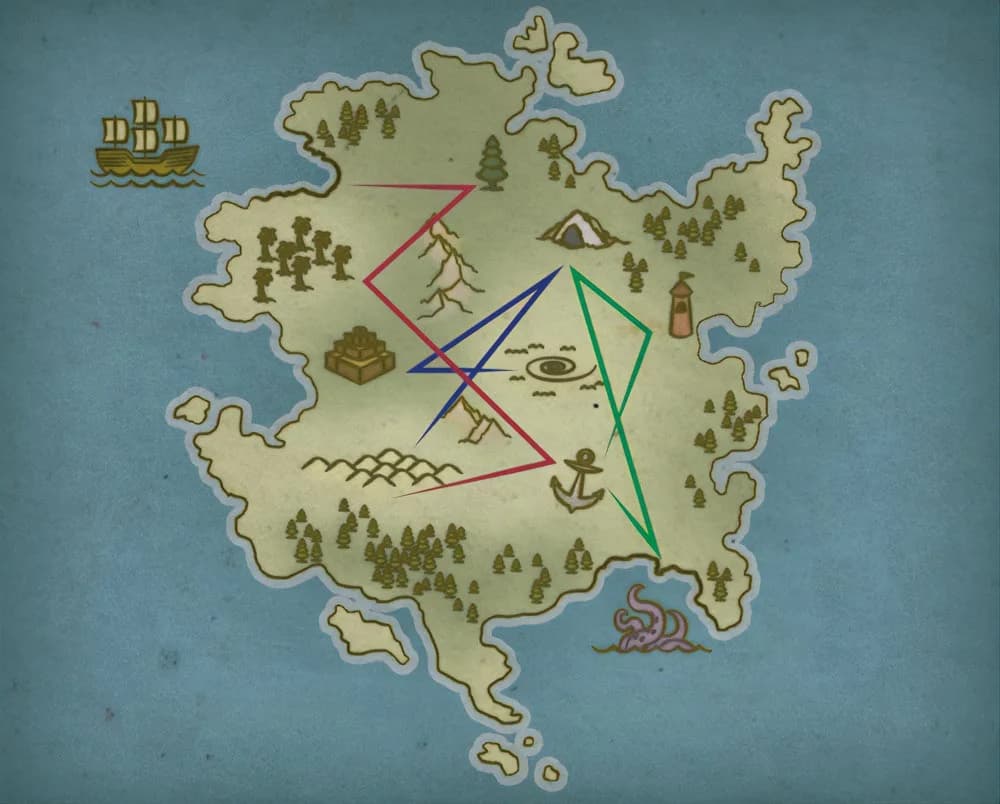
Hint Checks
Any character has the option of making these ability checks to receive a hint:
Intelligence (Investigation) DC 10. The word "trace" from the Day 3 entry strikes the character as important, suggesting that the map is meant to be drawn on.
Wisdom (Insight) DC 15. The map doesn't have labels, which means the names of the landmarks aren't significant. What's important are their positions relative to one another.
Wisdom (Perception) DC 10. The fact that the expedition lasted three days is significant, as there are three dials.
Wisdom (Survival) DC 15. The character knows the directions don't represent an efficient way to search an area and deduces the directions must be presenting some sort of message.
Customizing the Puzzle
Consider creating your own map and series of directions to customize this puzzle. By crafting directions that suit locations in your campaign's' setting, you can create a puzzle that's integrated into your adventure's plot, using a map the characters might already possess. Your version of the puzzle can add as many digits and directions as you see fit, or it might reveal letters, symbols, or short words, depending on the complexity of your design.
Raising the Difficulty
You can increase this puzzle's challenge by dividing the map into pieces that need to be separately discovered, or the characters might need to learn the directions from someone who personally explored the island. As long as the order of locations doesn't change, the code remains correct.
Material Components
Difficulty: Medium
This puzzle might appear in a wizard's workshop, study, or spellbook. The solution leads to a password that reveals new or rare spells (such as those in chapter 3). Alternatively, the password can be used for any other function that fits with your story.
You find an old piece of paper bearing a list of spells and components. Random letters are also scratched quickly on the paper between the two lists. A message at the top of the page says, "read untouched to gain new spells."
Give the players a copy of puzzle handout 5 (see the end of this chapter).
Puzzle Features
The wizard's study is filled with spell components, books, potions, and various odds and ends. While the various supplies might help characters solve the puzzle, the only item the characters need is the parchment. If the puzzle is giving them grief, they can take the parchment with them and find others who can help them solve it.
Bookcases
All around the wizard's study are shelves and cases filled with books, scrolls, and other supplies. A character who makes a successful DC 12 Intelligence (Arcana) check notices a spell component with no gp value from the list (such as a chip of mica or a bit of bat fur).
Lists
The parchment has a list of spells and a list of material components. However, the components to the right don't match with the adjacent spells to the left. The parchment itself doesn't have any magical qualities, but the word it reveals potentially does.
Wizards and other spellcasters can identify the correct spell components for any spell they know, but they must succeed on the Intelligence (Arcana) checks noted in the "Hint Checks" section below to recall the correct material components for any less familiar spells.
Solution
Drawing a line from a spell to its material component crosses out letters that fall between the columns, as shown in diagram 4.4. Once all spells are connected to components, the untouched letters spell out "presto," which, when said aloud with the paper in hand, causes one or more spell scrolls (or some other treasure of your choice) to magically appear.
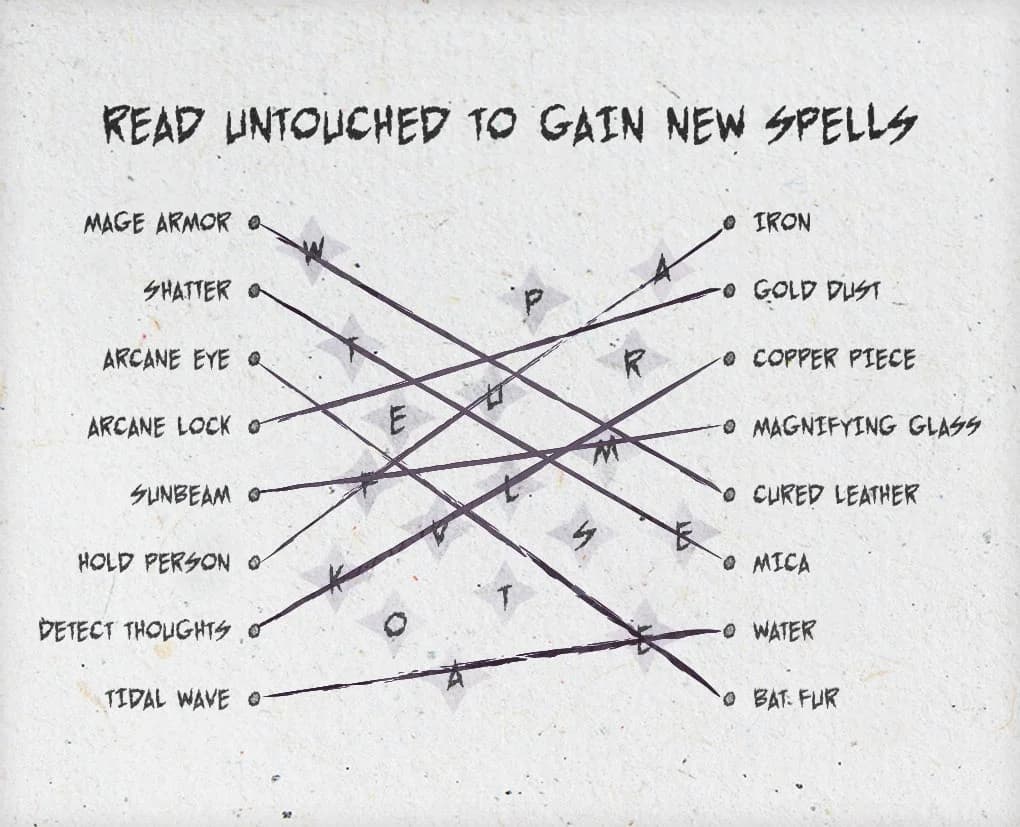
Hint Checks
Any character has the option of making these ability checks to receive a hint:
Intelligence (Arcana) DC 10. The character recalls up to three of the material components for spells on the list they don't currently know.
Wisdom (Insight) DC 15. The character suspects that the jumbled letters in the middle—or some number of them—probably spell out a command word, pass-phrase, or important clue.
Wisdom (Perception) DC 10. The character notices that straight lines drawn between spells and material components cross through some of the letters in the center.
Customizing the Puzzle
While spells and components make easy to associate lists, you might also consider creating your own version of this puzzle using paired sets of monsters and creature types, planes of existence and their native inhabitants, famous figures in a setting and their homelands, and so forth.
Lowering the Difficulty
If your party doesn't include characters with considerable magical expertise, consider adding art to the room's walls or on decorative book covers that reveal connections between the listed spells and components. These images might give away a few connections between the lists or lower the DCs of the puzzle's hint checks.
Raising the Difficulty
Rather than using common spells the characters might be familiar with, a more challenging version of this puzzle might feature lost spells or other lore the party has no way of knowing. Only by consulting experts, undertaking research, or further adventuring might the party reveal the connections between the two lists.
Members Only
Difficulty: Medium
A secret club, cultist meeting, or thieves' guild requires a password to enter. In this puzzle, those who guard a certain door are so secretive that they change the password constantly, fearing someone might have infiltrated their members' ranks.
You watch a figure approach an oak door with a slide window. The figure knocks, and a guard opens the window and says, "Six." The figure replies, "Three." The guard then opens the door, allowing the figure to enter.
This building seems to have only one entrance: the oak door with a small slide window. A guard opens the window and speaks a seemingly random number to anyone who knocks on the door.
Puzzle Features
Even after observing the building from all angles, characters only see members entering through the one door after speaking to the guard.
Door
The door is made of oak reinforced with 3-inch-wide iron bars. Three deadbolts secure the door, which is also barred from the inside, so there are no locks that can be picked from the outside.
Guard
A guard stands on the other side of the door around the clock, and the only way to speak with the guard is through the door's slide window. The guard can be any sort of talking creature, such as an assassin, a cult fanatic, or a thug. More monstrous options include a bugbear, wereboar, or nycaloth.
If a character knocks on the door, the guard slides open the window and gruffly gives a number, expecting the proper response. The guard gives a different number each time someone knocks. Any proper response grants a single character entry, and the guard only allows one member to enter at a time.
Characters who provide incorrect answers and attempt to enter again must disguise themselves in some way or be refused entry. The guard only willingly opens the door for someone who speaks the correct password. The guard raises the alarm if unauthorized people try to open or bypass the door, calling six more guards to help defend the entrance.
Members
If the characters continue watching the door, they see up to four more visitors approach it. To eavesdrop on each exchange, the characters must succeed on a DC 12 group Dexterity (Stealth) check to remain hidden; if the group check fails, the visitor notices they're being observed and speaks quietly enough that their answer can't be overheard.
- Second Visitor. The guard opens the window and says, "Twelve." The visitor responds with "Six" and is allowed inside.
- Third Visitor. The guard opens the window and says, "Ten." The visitor responds with "Five" and is turned away.
- Fourth Visitor. The guard opens the window and says, "Seven." The visitor responds with "Five" and is allowed inside.
- Fifth Visitor. The guard opens the window and says, "Zero." The visitor responds with "One" and is turned away.
Solution
Each member that approaches the door is given a number by the guard. There is no mathematical equation here; the only valid response to a number given by the guard is the number of letters in the guard's number.
For example, one member was given the number "six." There are three letters in the word "six," so the password for that member is "three." More potential answers are provided in the Potential Passwords table.
Potential Passwords
| Number Provided | Response Required |
|---|---|
| One | Three |
| Two | Three |
| Three | Five |
| Four | Four |
| Five | Four |
| Six | Three |
| Eight | Five |
| Nine | Four |
| Eleven | Six |
| Thirteen | Eight |
Hint Checks
Any character has the option of making these ability checks to receive a hint:
Intelligence (Investigation) DC 15. The character deduces there is no mathematical equation that connects the numbers exchanged between the guard and visitors.
Wisdom (Insight) DC 15. The character suspects that the answer has to do with the word, not the number.
Customizing the Puzzle
Part of what makes this puzzle challenging is that it misleads players into thinking they're overhearing a mathematical equation. To figure out the solution, they have to first overcome their own assumptions. An easier version of this puzzle might involve counting the letters in any type of word the guard provides and responding with that number. Alternatively, the response to the guard's number might be any word with the same number of letters as that number—for example, "five" has four letters, making "duck" or "smog" suitable responses. The more your puzzle plays with numbers as words rather than digits, the more challenging it's likely to be.
Exact Change
Difficulty: Hard
This puzzle provides an elaborate, coin-based lock to any sort of door, vault, or other barrier.
The door here is locked and has no handle. Instead, there is a slot in the door with an engraving above it that reads, "Insert exact change here." Nearby, a wooden bowl of coins rests atop a wooden table.
The tabletop is engraved with nine squares in a three-by-three grid. Nailed to the table's leg is a piece of parchment with the following instructions:
Fifteen per column, fifteen per row;
Diagonally, the same is so.
A plea of warning to carefully count;
No two places may hold the same amount.
What coins in the center be fed through the door;
Exact change for passage or trouble galore.
Puzzle Features
The bowl on the table contains forty-five gold coins. The puzzle requires that an exact number of coins be fed into the slot into the door. If the wrong amount is deposited, it triggers either an alarm or a trap of your choice.
Solution
Diagram 4.5 shows how to divide the forty-five coins so that every square has a different amount and each row and column adds up to fifteen.
The verse explains that the door requires the amount of coins shown in the center square. Upon inserting exactly five coins, the locked door opens.
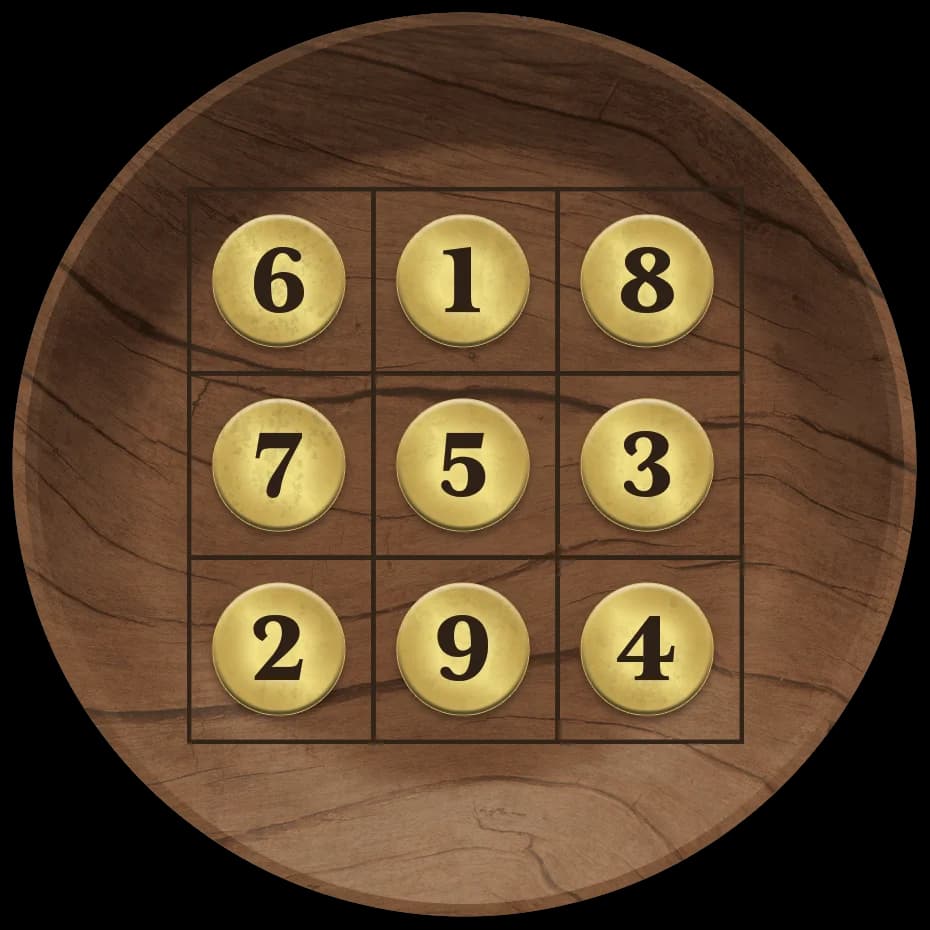
Hint Checks
Any character has the option of making these ability checks to receive a hint:
Intelligence (Investigation) DC 15. The character realizes that if diagonal corners add up to ten, it makes filling out the rest of the grid much easier.
Wisdom (Insight) DC 15. The character figures out the placement of two numbers other than the center number.
Four Elements
Difficulty: Hard
This puzzle might appear anywhere elementals of earth, air, fire, and water serve as guardians. If the puzzle isn't solved correctly, one or more of these guardian elementals magically transform from statues and attack the characters.
The door slams behind you as you enter this hexagonal room. Four of the walls are covered in mosaics, each depicting the destructive force of one of the four elements. Four nine-foot-tall, stone statues of elementals line the far wall across from the closed door. Above the statues is a row of square tiles with triangular symbols painted on them. Four of these tiles have fallen off and lie strewn upon the floor, which bears the following inscription:
Four elementals trapped in stone,
Their elements ordered to lock their home.
Even patterns against all odd,
A tile misplaced awakens its god.
In proper order safely seal these four,
Or best one of each to open the door.
Once the characters enter this room, the door behind them slams shut. It can be opened only by completing this puzzle, and there are no other exits.
Puzzle Features
The mosaics, statues, and tiles are described below in greater detail.
Mosaics
The four wall mosaics depict the following:
- A water elemental crashes through a city wall in a huge wave. In the center of the image is a triangle pointing downward.
- An earth elemental looms over a group of warriors. A triangle pointing downward with a horizontal line through it is carved into its chest.
- A fire elemental burns through a forest town. In the center of the flames is a triangle pointing upward.
- An air elemental gusts through a stormy sky. Within the clouds is a triangle pointing upward with a line running horizontally through it.
Statues
The statues are actual elementals magically bound in stone. The magic that turned these elementals into statues is slowly coming undone, as the tile pattern that binds them has fallen apart.
Tiles
If the characters don't replace the four fallen tiles in their proper sequence, all four statues revert to their true forms at the same time and attack the characters. The exact timing of this event is left to you, but the characters should be given enough time to take a crack at solving the puzzle. The characters can also release the elementals individually by putting titles in the wrong order or orientation.
Puzzle handout 6 (see the end of this chapter) illustrates the row of tiles set into the wall above the statues. Without a check, the characters realize that four of the tiles fell down when the door slammed shut behind them. With a successful DC 15 Intelligence (Arcana) check, a character can determine that these tiles are what keeps the elementals bound.
If a tile is placed in the wrong place in the row, the corresponding elemental is freed from its stone prison and attacks. Only one of each elemental appears:
- If the improperly placed tile has an open triangle pointing downward, the water elemental is freed.
- If the improperly placed tile has an open triangle pointing upward, the fire elemental is freed.
- If the improperly placed tile has a triangle pointing upward with a horizontal line running through it, the air elemental is freed.
- If the improperly placed tile has a triangle pointing downward with a horizontal line running through it, the earth elemental is freed.
Solution
The correct, complete pattern is shown here:

The odd-numbered tiles form a recurring pattern of open triangles that alternate between pointing up and down. Tiles 1, 5, 9, and 13 are upward-pointing triangles, while tiles 3, 7, and 11 are downward-pointing triangles.
The even-numbered tiles display a different pattern. Tiles 2 and 4 point downward, but the first of them has a line through the triangle. Tiles 6 and 8 follow the same pattern, but the triangles point up. The pattern then repeats, with tiles 10 and 12 being the same as tiles 2 and 4 and tile 14 being the same as tile 6.
Solving the puzzle or defeating all four elementals causes the door to the room to swing open.
Hint Checks
Any character has the option of making these ability checks to receive a hint:
Intelligence (Investigation) DC 15. The character notes the words "even" and "odd" in the verse on the room's floor and believes they have some significance to the missing tiles.
Wisdom (Perception) DC 10. The character can deduce which tiles correspond to which elementals.
Customizing the Puzzle
Interweaving multiple patterns makes it easy to disguise them. With this in mind, you might use any group of symbols to create as elaborate a series of patterns as you please, then challenge players to fill in a missing segment. While the symbols in this puzzle refer to the four elements, you might use holy symbols, colors, dolls on a shelf, or any other repeating design to convey your puzzle.
When an elemental is defeated, it might leave behind a valuable gemstone, a map fragment, a clue to some other puzzle, or something similar.
Raising the Difficulty
To increase the difficulty of this puzzle, enforce a time factor: perhaps one elemental breaks free at the end of every five minutes of real time that pass until the puzzle is solved.
You can also raise the difficulty by having statues depict genies instead of elementals. In this case, replace the four elementals with a dao, a djinni, an efreeti, and a marid. These genies are compelled to attack the characters and can't be reasoned with.
Haunted Hallway
Difficulty: Hard
Many unquiet spirits linger in the world because they can't bare to leave something behind. In this puzzle, finding the solution also means helping a lost soul find peace.
Six alcoves line this hall, each one numbered from one to six. On the floor of each alcove, a lit candle gently flickers.
From the hall's far end drifts a low moan. There, barely visible, sobs the apparition of a small girl hovering over a discarded rag doll. "Names, names," she cries. "I can remember them all except the one I need."
The spirit, Dolora, is a harmless apparition who won't engage the party in combat. If threatened, she vanishes and reappears at the opposite end of the hall, sobbing anew.
If approached with compassion, Dolora bemoans the fact that she can't pick up her doll until she speaks its name, which she has forgotten. She refuses to leave this place without the doll.
Dolora, who only recalls fragmented memories of her life, can't answer many questions. This is particularly true about the messages associated with the alcoves in the hall (see "Alcoves" later in this section). While Dolora can't answer vague questions about the candles' clues (such as "Who is this talking about?"), she can provide the names of specific people when prompted. For example, if a character asks directly, "What was your mother's name?" Dolora provides the correct response. She also spells out the name, which is a clue that the spelling is important.
Puzzle Features
Dolora can't leave the hall and avoids the alcoves.
Alcoves
The hall is lined with six alcoves, each one with a unique numeral between 1 and 6 carved above it. A verse scratched into the back wall of each alcove is made visible by the candlelight. Each verse is presented below, accompanied by a parenthetical explanation that shouldn't be shared with the players or their characters:
- Verse 1. "Not his keeper, nor he mine; loved and hated at the same time." (This refers to Dolora's brother, whose name was Sam.)
- Verse 2. "My first vision: her hazel eyes. My first sound: her lullabies." (This refers to Dolora's mother, whose name was Delia.)
- Verse 3. "Her lives she lost, all three by three, and through the dark this hunter sees." (This refers to Dolora's cat, whose name was Fifi.)
- Verse 4. "Lines in his face of life lived long; stories were his paternal song." (This refers to Dolora's grandfather, whose name was Tobias.)
- Verse 5. "Mentor and guide, her lessons learned. Knowledge measured by letters I earned." (This refers to Dolora's teacher, whose name was Johana.)
- Verse 6. "Loved to eat hay, just as her friends did; lived in one room with a shoat and a kid." (This refers to Dolora's horse, whose name was Alexia.)
Each verse describes someone who was close to Dolora. Once the characters determine who a verse is talking about, they may ask Dolora to provide the correct name. For example, "What is your cat's name?" is a valid question for verse 3. The spirit then answers, "Fifi," and she spells it aloud.
Candles
Each candle is a simple, 6-inch-tall wax taper. While in this hall, the candles never melt down and can't be extinguished.
Rag Doll
If the characters examine the rag doll or ask Dolora about it, she imparts the following information:
"My doll knows all six—the first for the first, the second for the second, the third for the third, the fourth for the fourth, the fifth for the fifth, and the sixth for the sixth."
Solution
Once the characters learn all six names, they must extract one letter from each name, as noted in the Remembered Names table. An alcove's number determines which letter to extract; for example, "Alexia" is the name connected to the verse in alcove 6, and the sixth letter in that name is A.
Remembered Names
| Alcove | Name | Letter |
|---|---|---|
| 1 | Sam | S |
| 2 | Delia | E |
| 3 | Fifi | F |
| 4 | Tobias | I |
| 5 | Johana | N |
| 6 | Alexia | A |
The doll's name is Sefina. Once Dolora is told this, she picks up the doll, speaks its name, and disappears with it, her spirit having been laid to rest. If there's some piece of information you wish to have the spirit reveal to the party, such as the location of a nearby treasure or the secret of a more dangerous spirit, Dolora whispers this as she fades away.
Hint Checks
Any character has the option of making these ability checks to receive a hint:
Charisma (Persuasion) DC 10. Dolora thinks of the character as her friend. When this character figures out the answer to a riddle, Dolora calls out the name of the person it's about unprompted (for example, as soon as the character says "mother" aloud, Dolora calls out "Delia").
Charisma (Intimidation) DC 15. The character frightens Dolora into divulging information. She tells the character that she remembers the names of people she knew. Dolora also reveals that it's important that their names be spelled correctly, though she doesn't say why.
Intelligence (Investigation) DC 15. The character interprets Dolora's cryptic clue about the doll as follows: "all six" refers to the six letters of the doll's name, which can be determined by gathering information from the verses in the six alcoves.
What's on the Menu
Difficulty: Hard
The characters discover that a popular local tavern is a front for a secret organization that they seek to join or infiltrate. The name of the tavern can be whatever you want it to be. One suggestion is the Cloak & Dagger.
To get their foot in the proverbial door, the characters must speak the correct password to the tavern-keeper, Holda Heidrun. They can discover this password by solving a puzzle hidden in the tavern's menu.
The tavern is crowded with happy people enjoying their food and drinks. Behind the bar, a stocky woman is wiping down the wooden bar top. She looks up as you enter and nods toward an empty table before her attention is drawn elsewhere. You see a copy of the tavern's menu on the table.
Customize the tavern and flesh out its occupants as you see fit.
In addition to being the tavern-keeper, Holda Heidrun is the keeper of many secrets. If the characters prod her for information, she asks for the password, and if the characters don't know it, she divulges nothing of consequence. "If you're worth your weight in copper," she says, "you'd speak the password to earn my trust."
Puzzle Features
A sign at the bar declares that a meal costs 1 sp, a mug of ale costs 4 cp, a glass of fine wine costs 1 sp, and a bottle of fine wine costs 3 sp. The menu on the table contains a list of specialties the tavern serves, and how much each item costs. Only the menu is needed to solve the puzzle.
Menu
Characters who peruse the menu see the items listed in the Menu Items table, in the order given.
Menu Items
| Item | Price |
|---|---|
| Corn and lentil soup | 12 cp |
| Rabbit stew | 1 cp |
| Ale and cheese pastry | 7 cp |
| Brandied ham and carrots | 9 cp |
| Grilled fish and carrots | 6 cp |
| Seared boar and potatoes | 9 cp |
| Dragonfire mead | 11 cp |
Solution
Arrange the menu items in alphabetical order, then count into each item by the number of letters indicated in its price, as shown in the What's On the Menu Solution table. Stringing the seven letters together forms the password: chimera.
What's on the Menu Solution
| Item (Price) | Letter |
|---|---|
| Ale and cheese pastry (7 cp) | C (7th letter) |
| Brandied ham and carrots (9 cp) | H (9th letter) |
| Corn and lentil soup (12 cp) | I (12th letter) |
| Dragonfire mead (11 cp) | M (11th letter) |
| Grilled fish and carrots (6 cp) | E (6th letter) |
| Rabbit stew (1 cp) | R (1st letter) |
| Seared boar and potatoes (3 cp) | A (3rd letter) |
The characters can figure out the password without putting the menu items in alphabetical order. Once they get all seven letters, they must solve the anagram to get the password.
Speaking the correct password to Holda grants access to whatever secrets she's keeping—fuel for the characters' next adventure.
Hint Checks
Any character has the option of making these ability checks to receive a hint:
Charisma (Intimidation or Persuasion) DC 15. The character convinces Holda to whisper the following hint: "Count your lucky coppers that we have seven choices on the menu for you."
Dexterity (Stealth) DC 15. The character blends in with the crowd to eavesdrop on another table, overhearing the patrons discussing how they must have gotten a misprinted menu because the prices don't seem right, or bemoaning the fact that the menu doesn't list items in alphabetical order.
Intelligence (History) DC 15. The character recalls stories of how secret messages used to be sent through taverns using common items anyone could access, such as menus.
Wisdom (Perception) DC 15. The character notices the prices on the menu don't make much sense. For example, why is rabbit stew so much cheaper than corn and lentil stew?
Customizing the Puzzle
"Chimera" might not be the password but rather a reference to something or someone else in the tavern. Characters who solve the puzzle and succeed on a DC 15 Wisdom (Perception) check might notice another patron wearing a cloak pin shaped like a chimera, or spot a shield emblazoned with a chimera hanging on a wall that conceals a secret door. Only after speaking to the patron or seeing what's on the other side of the secret door do the characters obtain the actual password, which can be anything you want.
You can easily change "chimera" to something else by swapping out menu items, choosing different letters within the replacement items, and adjusting the prices accordingly.
Lowering the Difficulty
Other tavern patrons can provide additional hints by talking among themselves in places where the characters can overhear them. A patron might say something like, "This inn keeps getting more expensive. With these fancy new meals, I'm surprised they aren't charging a copper per letter!"
A too-helpful barmaid might take pity on the struggling characters and walk them through the various menu items in the order that would allow them to skip the anagram (ale and cheese pastry, brandied ham and carrots, corn and lentil soup, dragonfire mead, grilled fish and carrots, rabbit stew, and seared boar and potatoes). She might even recommend that the characters "start with the ale and cheese pastry, and continue on from there."
Puzzle Handouts
PERMISSION IS GRANTED TO PHOTOCOPY THE PAGES IN THIS SECTION FOR PERSONAL USE.
Puzzle Handout 1: Reckless Steps
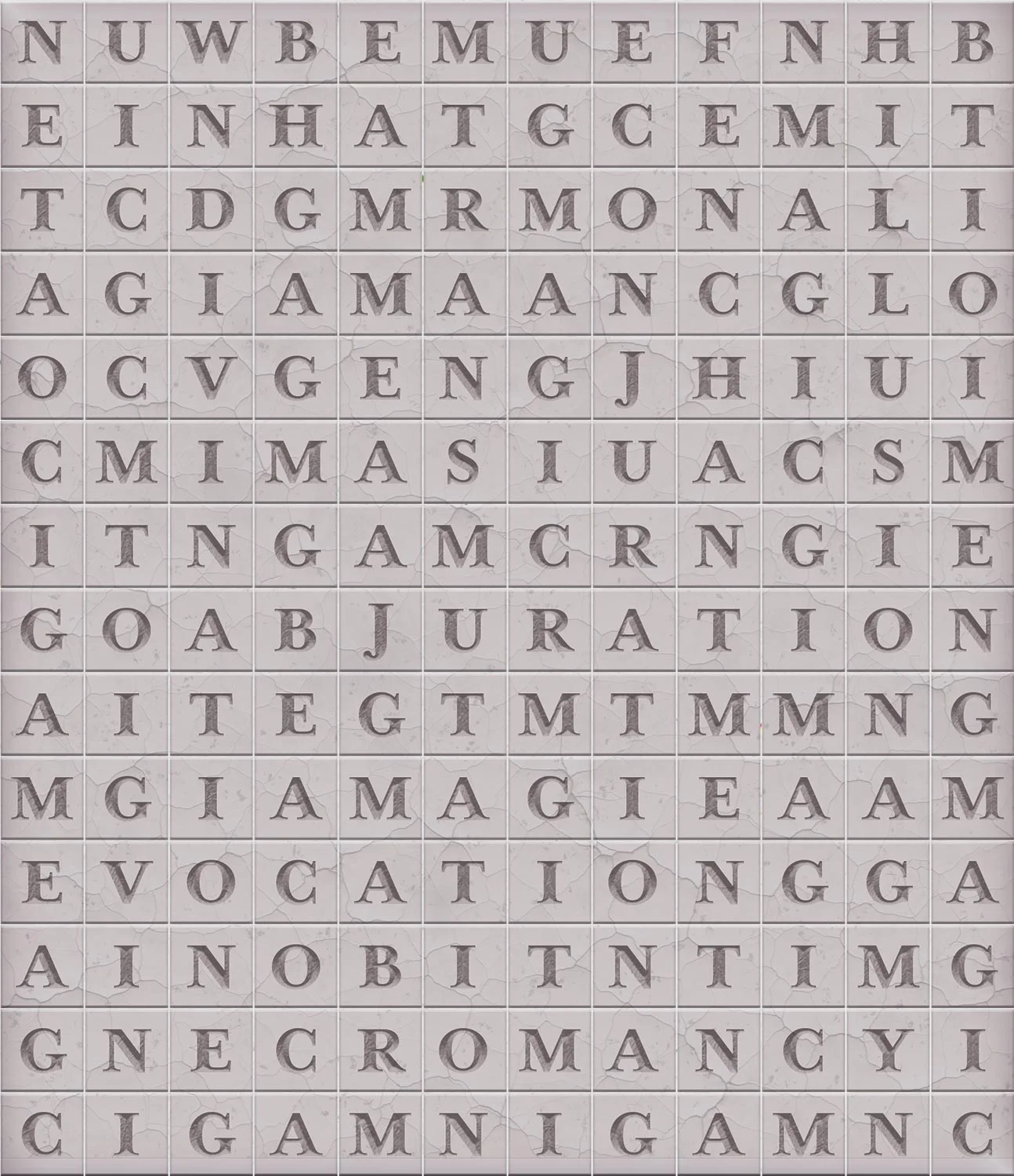
Puzzle Handout 2: Skeleton Keys
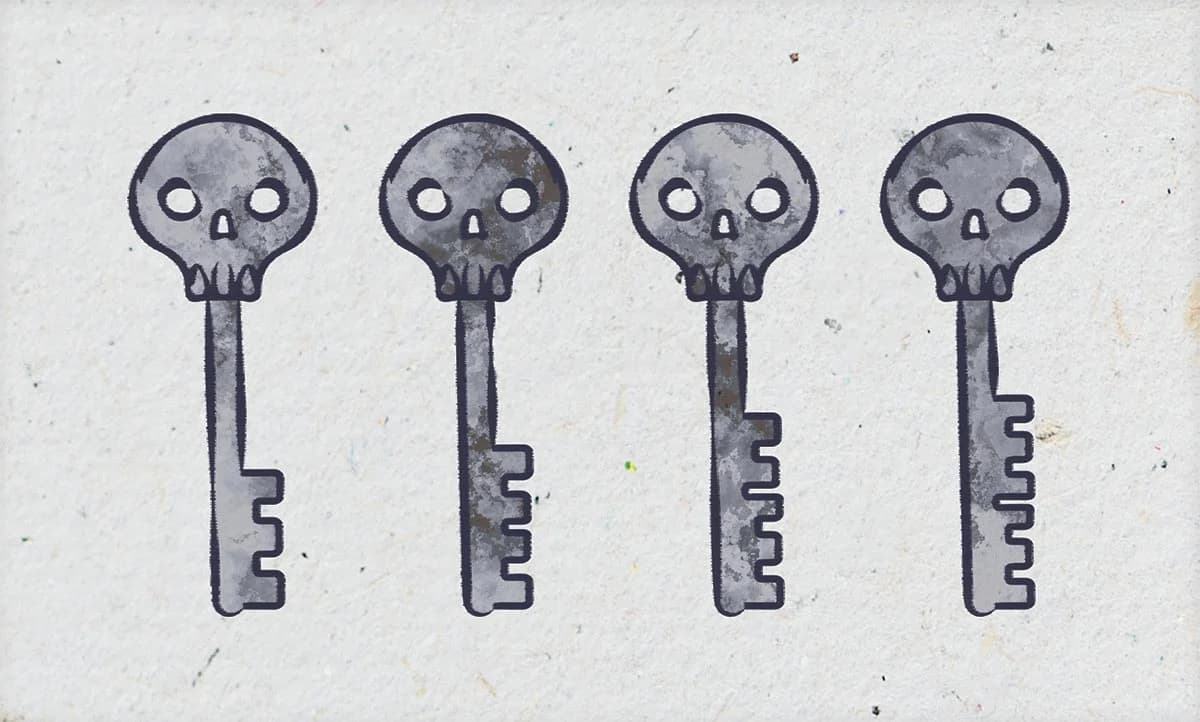
Puzzle Handout 3: Four by Four
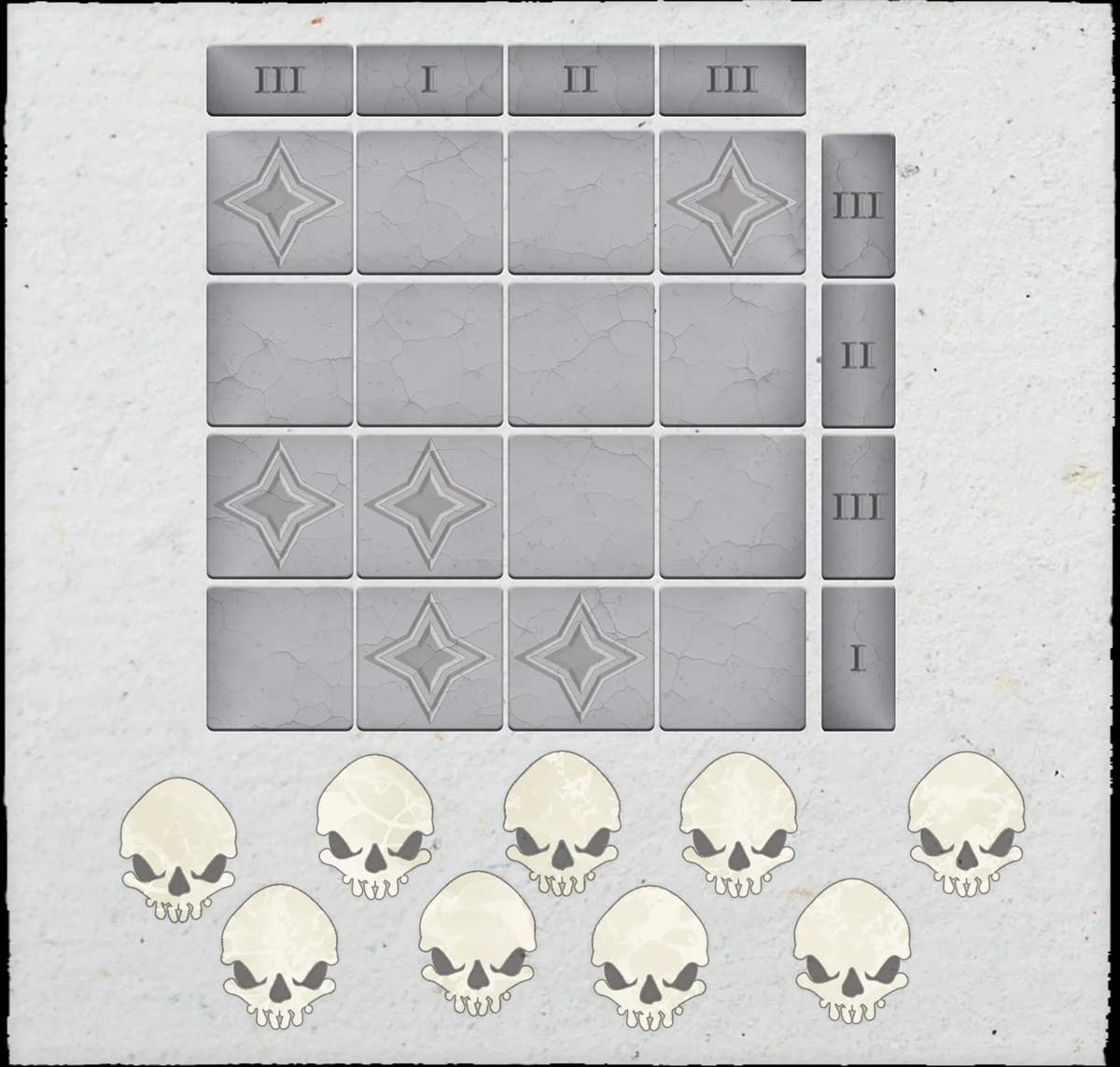
Puzzle Handout 4: Illusive Island
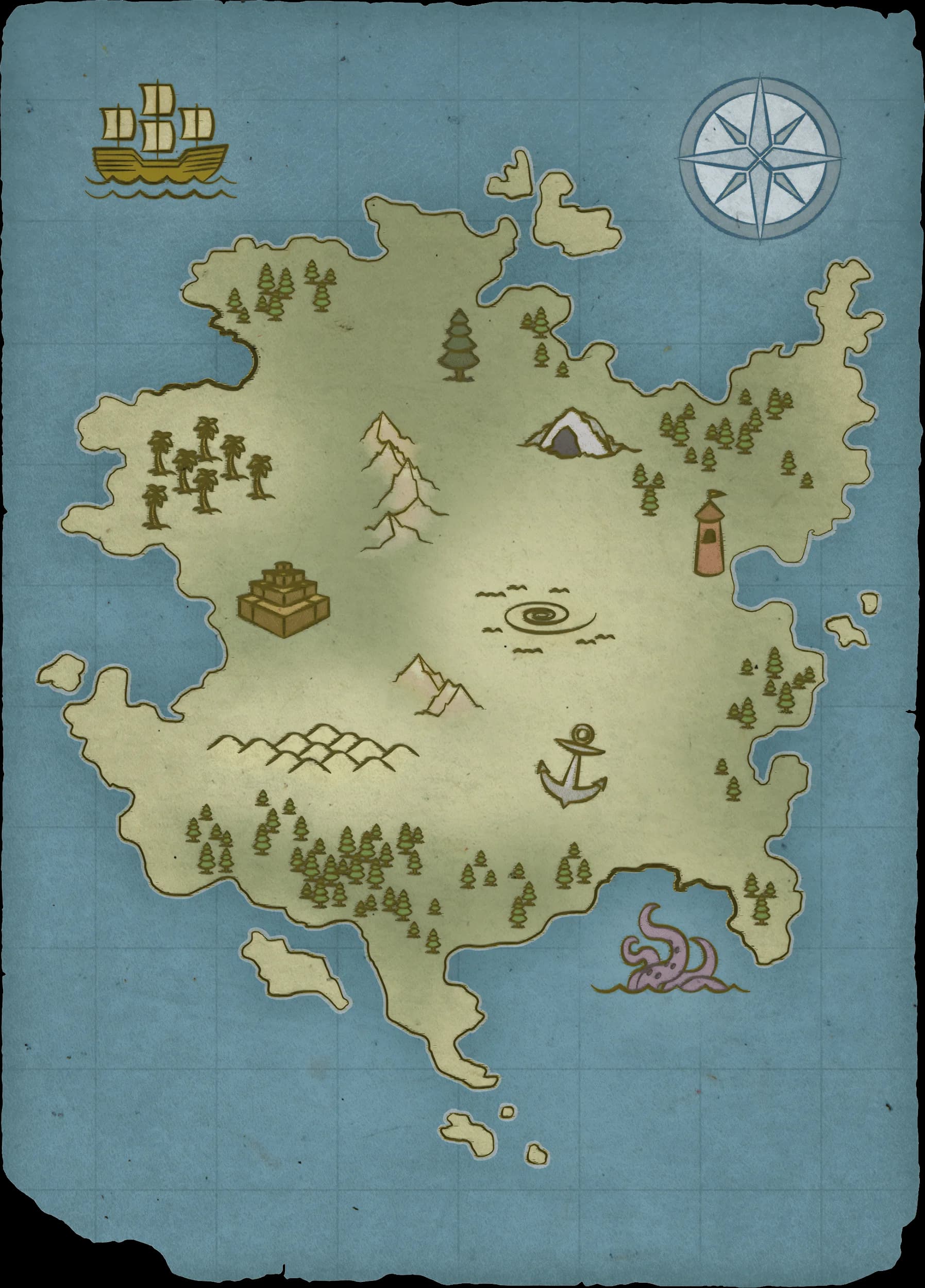
Puzzle Handout 5: Material Components
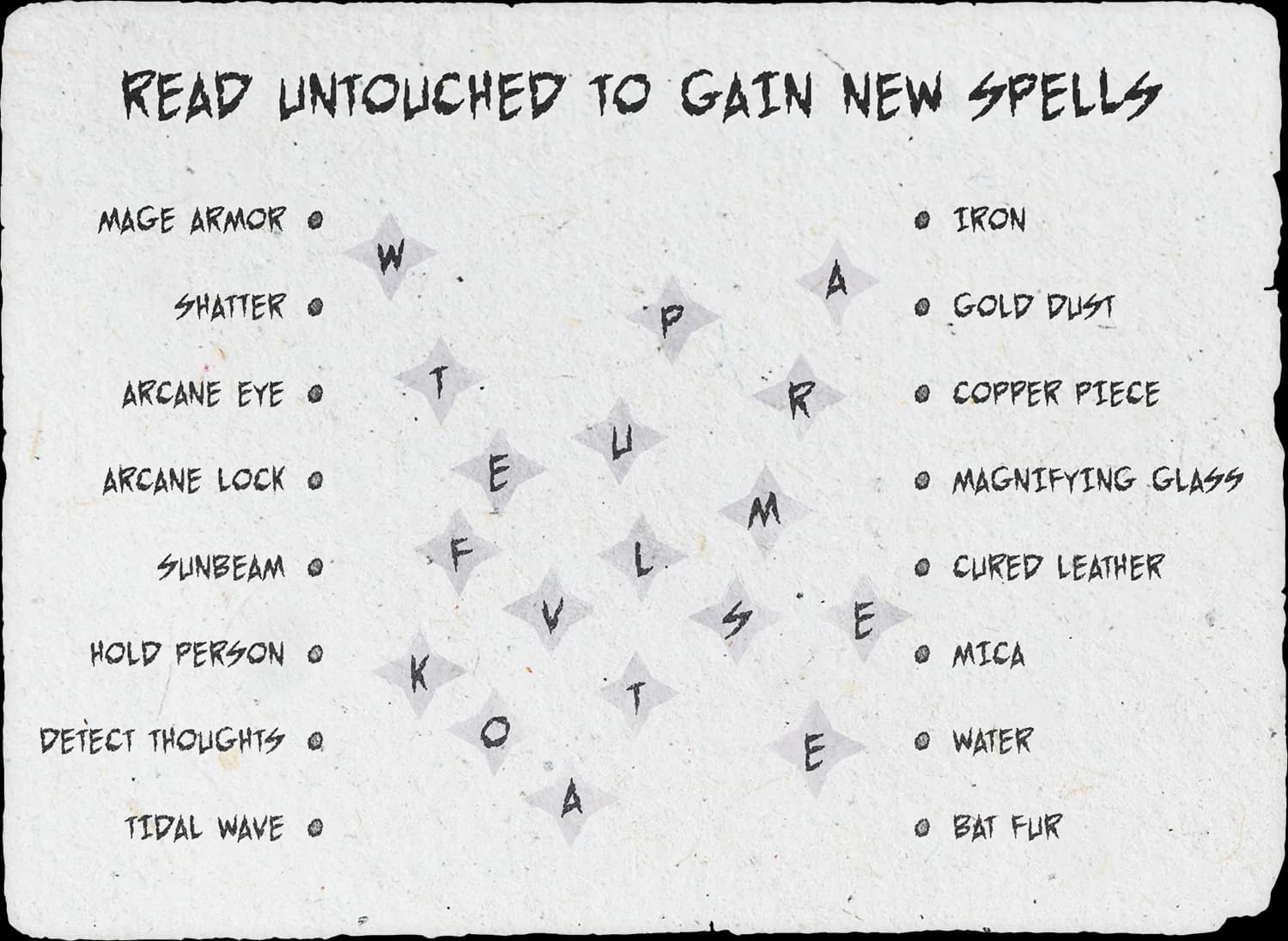
Puzzle Handout 6: Four Elements
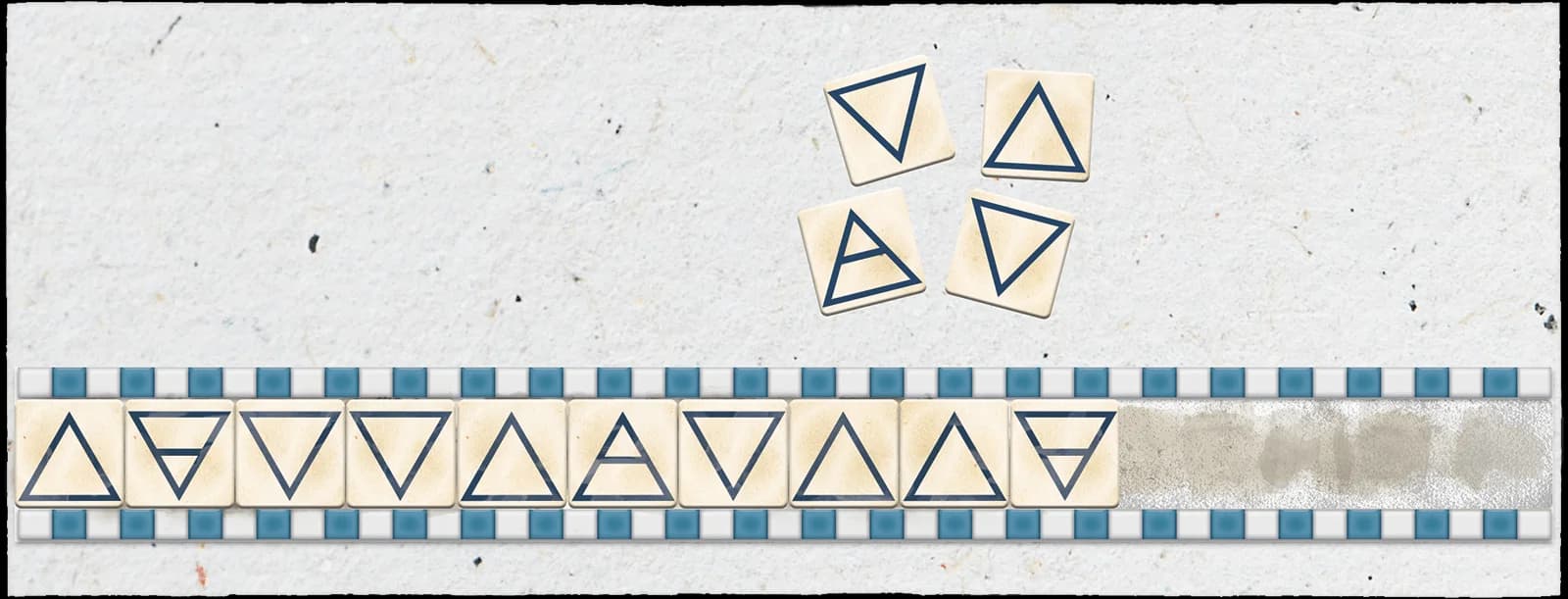
Credits
- Lead Designer: Jeremy Crawford
- Art Director: Kate Irwin
- Design: Dan Dillon, Ben Petrisor, F. Wesley Schneider, Elisa Teague
- Additional Design: Bill Benham, Adam Lee, Ari Levitch, Christopher Perkins, Taymoor Rehman, Kate Welch, Ray Winninger
- Rules Development: Jeremy Crawford, Dan Dillon, Ben Petrisor, Taymoor Rehman
- Editing: Michele Carter, Christopher Perkins, Jessica Ross, F. Wesley Schneider, James Wyatt
- Lead Graphic Designer: Trish Yochum
- Graphic Designers: Trystan Falcone, Emi Tanji
- Cover Illustrators: Wylie Beckert, Magali Villeneuve
- Interior Illustrators: Mark Behm, Eric Belisle, Zoltan Boros, Christopher Burdett, Sidharth Chaturvedi, David René Christensen, Nikki Dawes, Olga Drebas, Caroline Gariba, Sam Keiser, Julian Kok, Titus Lunter, Andrew Mar, Marcela Medeiros, Brynn Metheney, Robson Michel, Scott Murphy, Irina Nordsol, Robin Olausson, Claudio Pozas, Livia Prima, April Prime, David Sladek, Crystal Sully, Brian Valeza, Svetlin Velinov, Anna Veltkamp, Shawn Wood, Zuzanna Wuzyk, Kieran Yanner
- Concept Illustrator: Shawn Wood
- Project Engineer: Cynda Callaway
- Imaging Technicians: Kevin Yee
- Prepress Specialist: Jefferson Dunlap
- D&D Studio.
- Executive Producer: Ray Winninger
- Principal Designers: Jeremy Crawford, Christopher Perkins
- Design Manager: Steve Scott
- Design Department: F. Wesley Schneider, Dan Dillon, Adam Lee, Ari Levitch, Ben Petrisor
- Senior Art Director: Richard Whitters
- Art Department: Kate Irwin, Emi Tanji, Trish Yochum, Shawn Wood
- Senior Producer: Dan Tovar
- Producers: Bill Benham, Lea Heleotis
- Director of Product Management: Liz Schuh
- Licensing Manager: Hilary Ross
- Product Managers: Natalie Egan, Chris Lindsay, Hilary Ross
- Brand Manager: Shelly Mazzanoble
- Publicity: Greg Tito
- Community Management. Brandy Camel

This book contains some content that originally appeared in Sword Coast Adventurer's Guide (2015), Guildmasters' Guide to Ravnica (2018), Eberron: Rising from the Last War (2019), and Mythic Odysseys of Theros (2020).